
Mold Removal Gainesville, FL Homeowners Actually Trust
Musty smell, a spreading water stain, or mold you can already see, we contain it, remove it, and check that it’s gone. Straightforward mold removal in Gainesville, honest answers, no inspection upsell.
- Trusted Local Reviews
- Local Gainesville Providers
- No Inspection Upsell
Checked against EPA and Florida Department of Health guidance, October 2026.
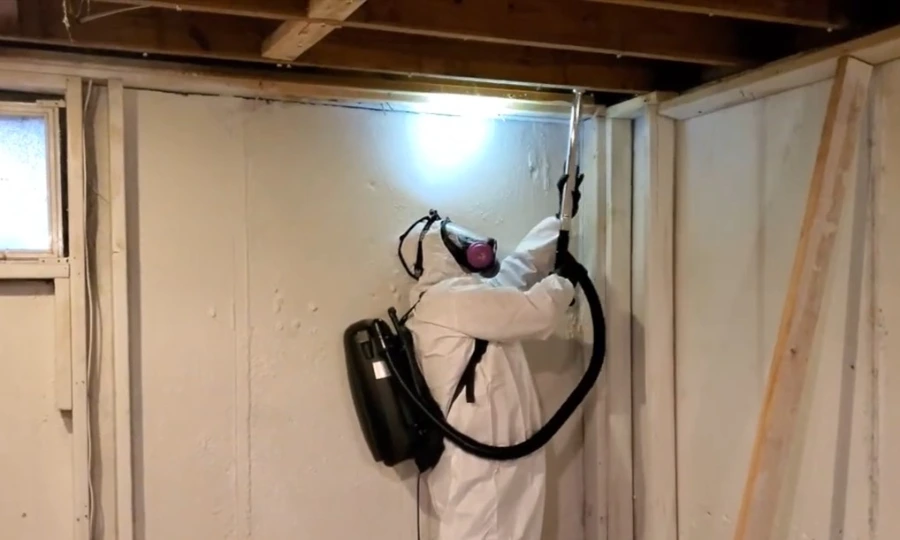
The wrong Gainesville mold removal contractor can miss the source and leave the problem to come back.
A leaking pipe, a slow roof leak, or high humidity in a crawlspace can quietly spread mold behind walls and under floors long before it’s visible. Since your home and your family’s health are on the line, you deserve remediation that finds the actual source, not just the spot you can see.
Is It Actually a Mold Problem?
- A musty smell that won’t go away
- Dark spots after a leak or storm
The EPA says under 10 sq ft on a hard surface can often be cleaned yourself, if the moisture source is fixed. Larger, hidden, or recurring mold is a different job.
Is That Black Spot Actually Mold?
Color alone can’t identify mold. Soot, mineral deposits, old water staining, and dirt are often mistaken for it.
Often Mistaken for Mold
• Soot from candles/fireplaces
• Mineral deposits
• Rust stains
• Dirt and grime
• Old water staining
Worth a Closer Look
✓ Musty or earthy odor
✓ Expanding or spreading stain
✓ Swollen or soft drywall
✓ Peeling or bubbling paint
✓ Growth in multiple rooms
The right response depends on the moisture source, the extent, and the material involved, not the color you see.
Want to learn more? Read how mold differs from mildew, and what to know about black mold (Stachybotrys), Aspergillus and Cladosporium.
Found Mold? Here’s What To Do Right Now
Before you call anyone, including us, a few first moves can keep a small problem from becoming a bigger one.
Don’t Disturb It
Scraping, sanding, dry-brushing, or pointing a fan at visible growth can push spores into other rooms. If the area is extensive, leave it alone until it’s assessed.
Stop the Water Source
If it’s safe, stop the leak, appliance, or roof first. Mold won’t stop growing until the moisture does.
While It’s Fresh, Document These
✓ When discovered✓ Where it appeared✓ Wet, swollen, soft, or damaged?✓ Recent roof/plumbing/HVAC issues✓ Musty or earthy odors✓ Returned after cleaning?✓ Which rooms/units involved✓ Prior inspection or repairs
⏱ EPA Guidance
The EPA identifies moisture control as key to controlling mold, and advises drying wet materials within approximately 24 to 48 hours when practical, a recommended window, not a guarantee. EPA mold and moisture guidance →
Not Sure What You Need? Find Your Starting Point
Match your situation to the row below. It’s not a diagnosis, just a sensible first move.
| Your Situation | Likely Starting Point |
|---|---|
| Active water is entering the property | Stop the source and request water-mitigation help |
| A small spot appeared near condensation | Investigate humidity, airflow, and material |
| A musty odor, nothing visible | A moisture-focused inspection |
| Mold may be inside walls or under flooring | A detailed assessment of the concealed area |
| Visible growth affects a large/complex area | Qualified assessment or remediation guidance |
| Buyer/seller/landlord/tenant needs documentation | An independent assessment may be appropriate |
| A remediation protocol already exists | A scope based on the written protocol |
| Work is finished, needs confirmation | Post-remediation verification |
Not sure which row fits? Call (352) 450-4030, a two-minute conversation usually tells you where to start.
Can You Remove Mold Yourself, or Do You Need a Professional?
Based on the EPA’s own guidance, not a sales pitch:
| What to check | Probably OK to handle yourself | Call a professional |
|---|---|---|
| Size of affected area | Under ~10 sq ft (about 3 ft. × 3 ft.) on a hard surface | Over 10 sq ft, or unknown extent behind a wall |
| Cause | Surface condensation, no ongoing leak | Water damage, plumbing leak, roof leak, or flooding involved |
| Location | Visible, accessible surface (tile, hard countertop) | Inside HVAC ducts, under flooring, inside wall cavities |
| Health factors | No household members with asthma, allergies, or immune conditions | Infants, elderly, or anyone with a respiratory condition in the home |
| Odor | No persistent musty smell beyond the visible spot | Musty smell without a visible source (often means it’s hidden) |
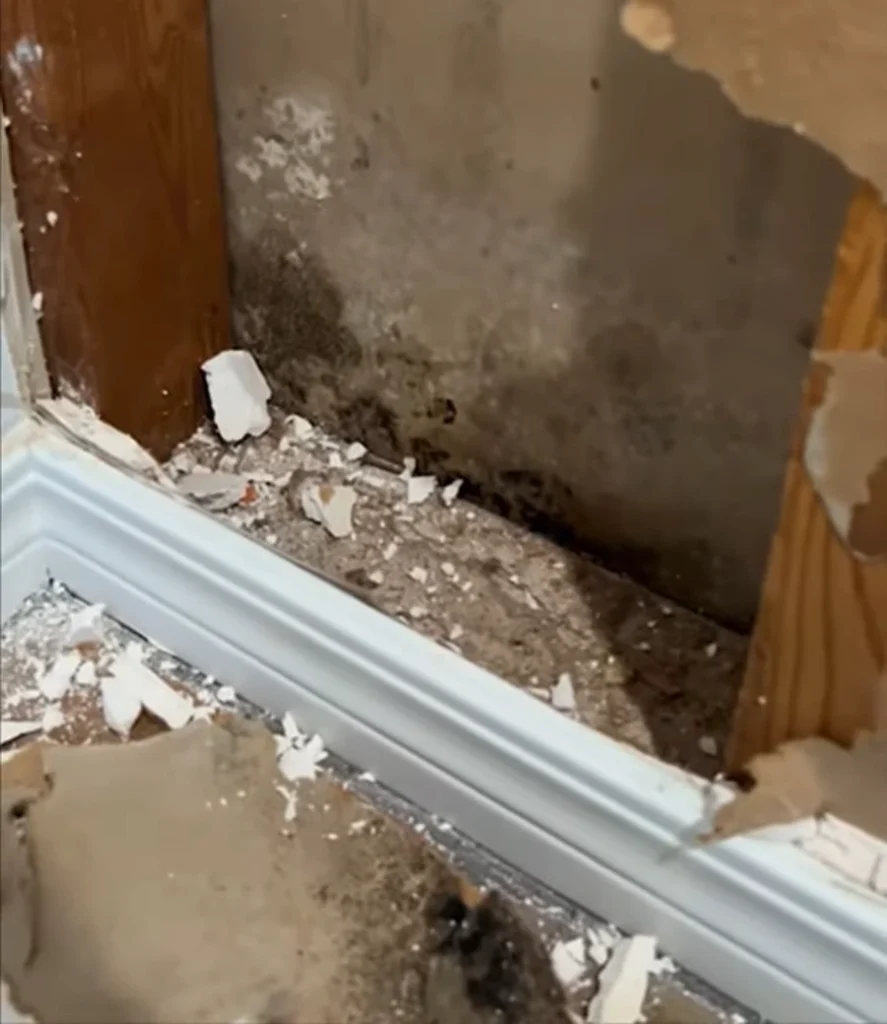
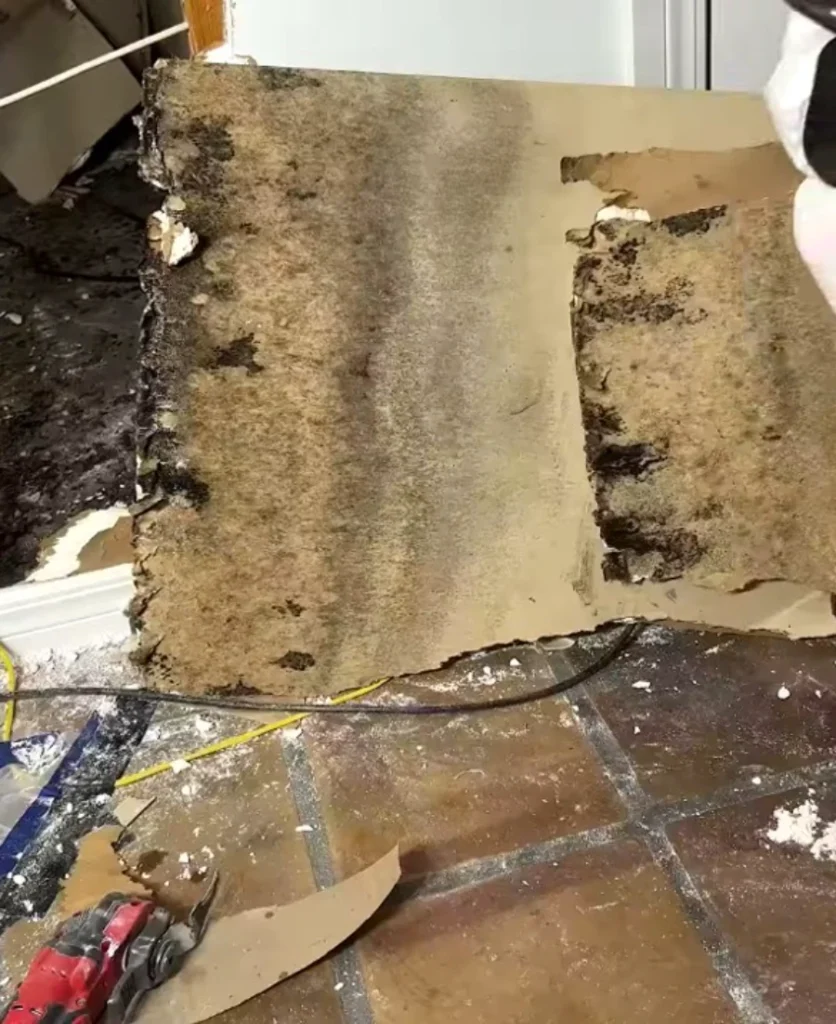
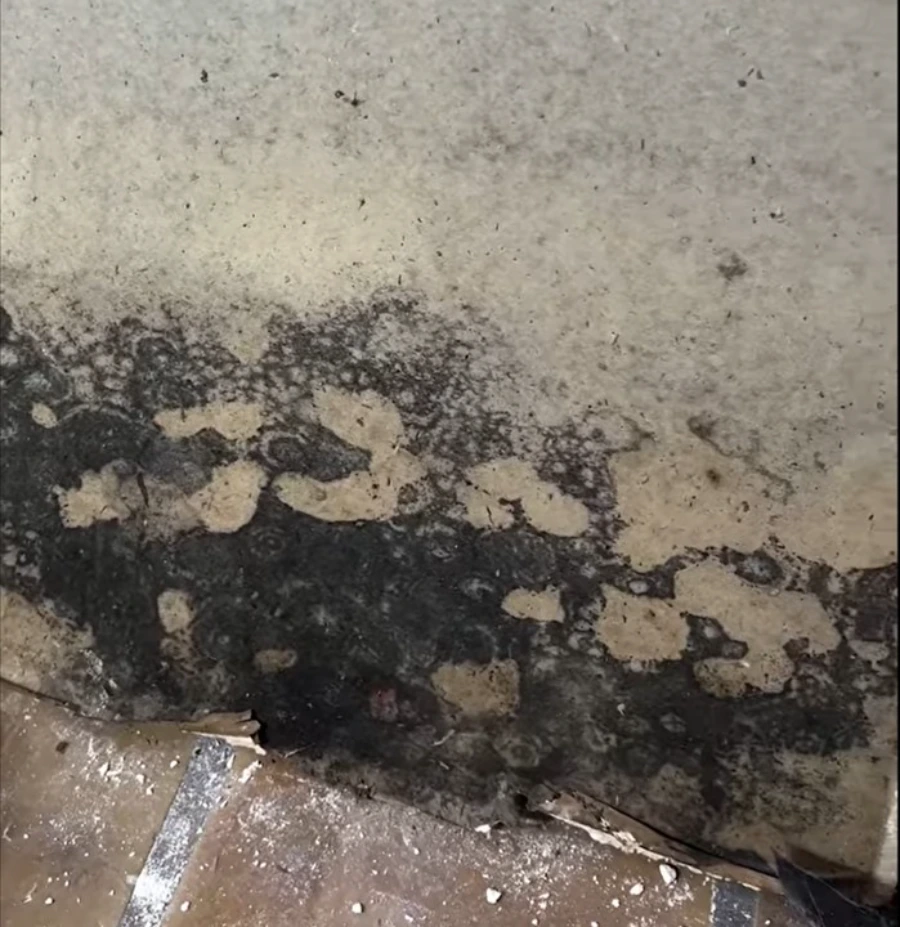
Water doesn’t stay where you can see it, it follows the path of least resistance, so a small visible spot can mean a much larger hidden problem inside the wall or subfloor. If you’ve opened a wall and found more than you expected, that’s the point to stop and call someone.
- Local Gainesville Help
- 24/7 Emergency Calls
- Independent clearance check
- Independent, no upsell
Difference between Mold Inspection, Testing, and Remediation? They are Not the Same Service.
These three words get used interchangeably, but they answer different questions.
Mold Inspection
Looks at building conditions, moisture, history, visual signs, to find out what’s going on.
Mold Testing
Air or surface samples sent to a lab for conditions at the sampled location and time.
Mold Remediation
The actual removal, cleaning, and drying work, what we do.
Related reading: black mold removal, water damage restoration, and our mold remediation process.
What Florida Property Owners Should Know About Mold Licensing
Verify the License
The Florida DBPR licenses and regulates mold assessors and remediators. Verify status through official state records, not a website badge.
The 12-Month Conflict Rule
An assessor generally can’t remediate a structure they assessed in the past 12 months, and a remediator can’t assess one they remediated. Definitions and exemptions apply.
How Mold Assessment & Remediation Actually Work
A closer look at what gets checked, what has limits, and what Florida law actually requires.
What a Mold Assessment Involves
✓ Water-loss history✓ Visual observations✓ Moisture measurements✓ Humidity readings✓ Accessible walls/HVAC✓ Musty odor check✓ Leak/repair history✓ Thermal imaging screen✓ Areas needing follow-up
What Mold Testing Can’t Tell You
✗ Where water entered✗ If a wall cavity is wet✗ Full size of affected area✗ If every room matches✗ Which materials to remove✗ If symptoms are mold-caused✗ If remediation was proper
What Regulated Remediation Requires
Work on mold-contaminated matter exceeding 10 sq. ft. (Fla. Stat. §468.8411):
1. Correct the moisture source
2. Define the work area
3. Protect unaffected rooms
4. Establish containment
5. Use controlled air filtration
6. Remove unsalvageable materials
7. Clean salvageable surfaces
8. Dry wet structural materials
9. Evaluate completed work
10. Coordinate reconstruction
Mold spores occur naturally indoors and outdoors, no responsible provider should promise a completely spore-free building.
From First Call to Clean Air: How It Works
1. YOU CALL, WE LISTEN
Tell us what you’re seeing, a smell, a stain, or visible growth, and we’ll connect you with a local provider who can talk through the next steps.
2. WE CONTAIN & REMOVE
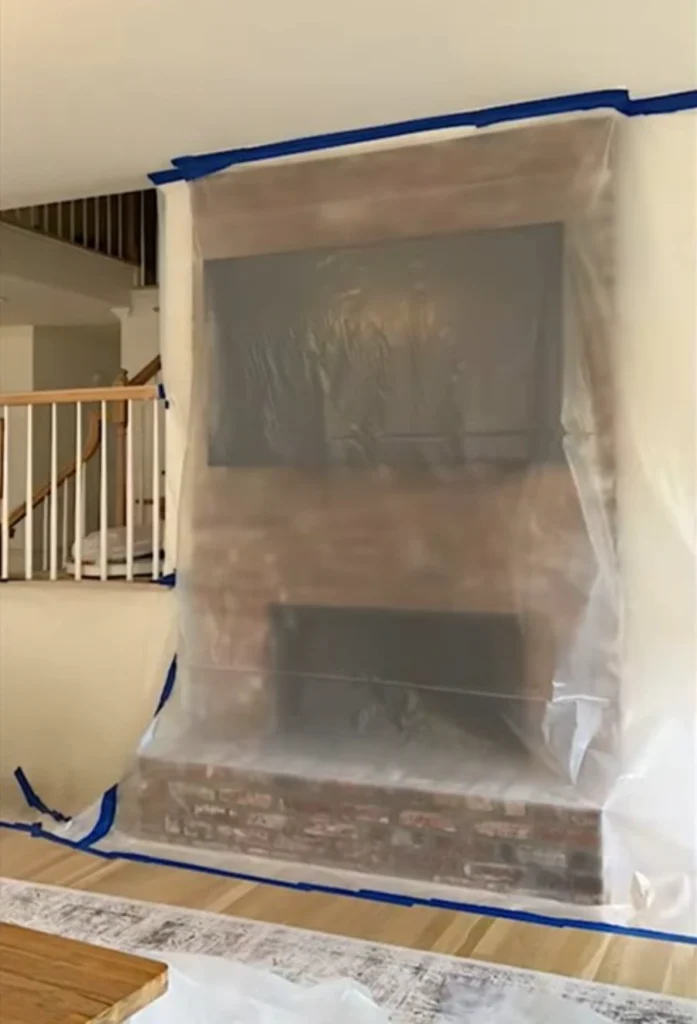
We isolate the work area with negative-pressure containment, remove the affected material, and treat the surfaces underneath so it doesn’t come back.
3. CHECK THAT IT’S GONE
Before the job is closed out, an independent post-remediation verification (PRV) can confirm clearance, so the check does not come only from the crew that did the work.
Ready to start with step one?
Call (352) 450-4030What We Do
Containment, removal, and moisture correction, done right the first time, whether it’s one bathroom or a full rental portfolio.
Where Mold Hides in Gainesville Homes
- Attics & Roof Leaks
- Bathrooms & Showers
- Kitchens & Under-Sink
- HVAC & Ductwork
- Crawlspaces & Slab Foundations
- Windows & Exterior Walls
Why Mold Shows Up So Often Here
- ~71% average humidity, near 80% in August
- High Springs’ well & septic homes near the Santa Fe River
Can You Stay Home During Mold Remediation?
Sometimes, but not always, the decision depends on several project-specific factors.
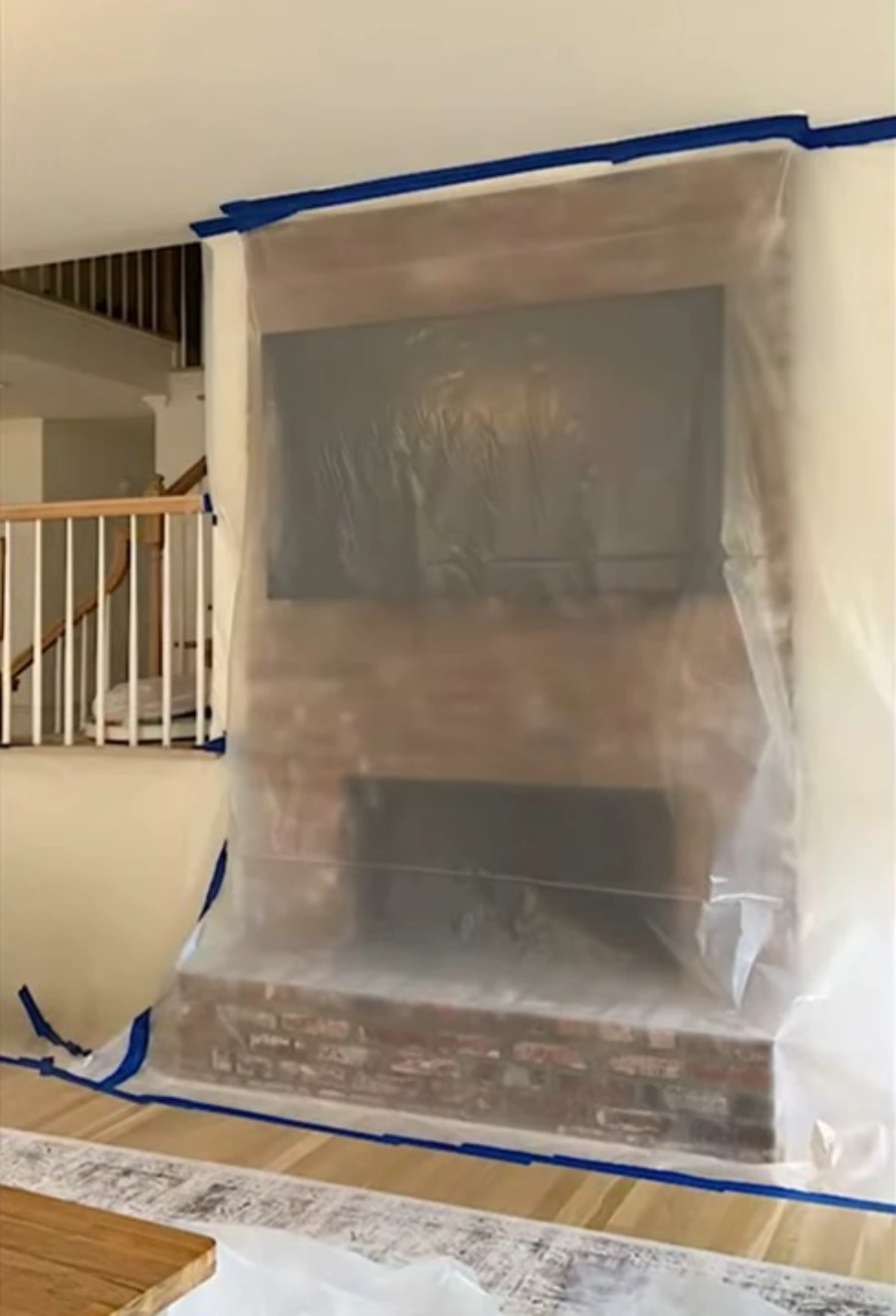 Containment barrier in place
What the Decision Depends On
- Containment size/location
- Access to key rooms
- Type of material removal
- Building layout
- HVAC operation
- Project duration
- Water category/hazards
- Occupant needs
- Protocol recommendations
Ask the Provider to Explain
- Which rooms are restricted
- How containment entry works
- Will the HVAC run?
- Where pets should stay
- When you can re-enter
- What ends the barriers
A Note on Health
People with asthma, allergies, or weakened immune systems should talk to a healthcare professional. A contractor shouldn’t diagnose or promise a medical cure. CDC/NIOSH on damp-building health effects →
Why Mold and Moisture Problems Keep Happening Here
Gainesville’s warm, moisture-heavy climate interacts with building systems in specific, fixable ways.
Gainesville weather factors at a glance
Why our climate makes moisture control a year round job, and what the numbers say.
How Gainesville weather turns into a mold problem
Warm, humid air
High dew points mean the air itself is loaded with moisture.
Storms test the roof
Wind driven rain finds weak flashing, window seals and door thresholds.
Materials stay damp
Shade, closed rooms and a struggling AC slow drying.
Mold gets a foothold
Damp materials can support mold growth quickly.
| Weather factor | What it does to a building | What helps |
|---|---|---|
| Summer humidity and high dew points | Condensation on cold surfaces such as vents, AC parts and exterior wall corners | Run the AC, dehumidify and keep humidity under 60% |
| Afternoon thunderstorms | Wind driven rain tests roofs, windows and door seals | Fix flashing and seals, clear gutters |
| Hurricane season | Roof damage, flooding and long power outages | Storm plan, then dry wet materials quickly |
| Cool mornings | Can leave condensation on glass and cool surfaces | Wipe windows and watch the sills |
| Shade from mature trees | Roofs and walls dry more slowly and leaves clog gutters | Trim limbs and clean gutters |
Planning view of moisture risk by month
Our planning view based on the summer wet season and the June 1 to November 30 hurricane season. It is not a measured mold index.
Hyperlocal moisture factors by Gainesville area
The same climate hits different parts of town differently. These are planning scenarios, not claimed jobs.
| Area | Typical housing | Common moisture issue | Smart move |
|---|---|---|---|
| Duckpond and older central streets | Older homes, some crawl spaces and original ductwork | Crawl space dampness, duct sweating, old bathrooms | Check under the house, insulate and seal ducts |
| Haile Plantation and newer southwest homes | Slab homes with large AC systems | Short cycling, attic duct insulation, sprinkler spray on walls | Ask for an AC load check, adjust sprinklers |
| UF campus, Archer Road and Newberry Road rentals | Apartments, duplexes and shared houses with heavy turnover | Forgotten leaks, closed up rooms, window AC units | Report problems in writing, keep the AC running |
| Homes near Paynes Prairie and other low spots | Mixed ages, some on lower ground | Ground moisture and drainage problems | Check grading, gutters and crawl spaces |
- 32601
- 32603
- 32605
- 32606
- 32607
- 32608
- 32609
- 32641
Building & Weather Triggers
✓ Roof and flashing leaks✓ Wind-driven rain at windows✓ Plumbing failures in walls✓ AC condensate drain issues✓ Damaged ductwork✓ Condensation at registers✓ Storm-soaked cavities✓ Older, concealed paths
Everyday Living Triggers
✓ Humid air entering attics/crawlspaces✓ Bathroom exhaust issues✓ Water under flooring✓ Vacant, lightly conditioned units✓ Damp closets, low airflow✓ Student rentals, recurring leaks
- Why Humidity Control Matters
UF/IFAS Extension explains air leakage can bring humid outdoor, attic, or crawl-space air inside, contributing to condensation. The CDC recommends keeping indoor humidity at or below 50% when practical.
Why Does Mold Keep Coming Back After Cleaning?
Recurring growth almost always means an underlying condition was never fixed:
- Material still damp⚠ Humidity remains elevated⚠ Condensation continues⚠ Water entering nearby⚠ Growth behind the surface⚠ Porous material just wiped⚠ HVAC issue not corrected⚠ Paint hid the cause
A Durable Fix Has to Answer 4 Questions
1. Where did the moisture originate?
2. Which materials did it reach?
3. What must be cleaned, removed, dried, or repaired?
4. How will the area stay dry afterward?
Not sure which applies to your home? Call (352) 450-4030. You can also start with our mold prevention tips.
How Can Storms and Flooding Affect Gainesville Properties?
Thunderstorms, tropical systems, heavy rain, wind, and falling trees can damage roofing, flashing, soffits, windows, siding, attic insulation, and interior ceilings.
After a storm: the 48 hour clock
The clock starts when materials get wet, not when the power comes back.
Based on the EPA and UF guidance to dry wet materials within 24 to 48 hours. Bar widths are illustrative.
| Before storm season | After the storm |
|---|---|
| Have the roof, flashing and attic checked | Photograph damage, then start drying right away |
| Clean gutters and aim downspouts away from the house | Open windows only when outdoor air is drier than indoors |
| Service the AC and clear the condensate line | Remove wet carpet, padding and soaked insulation |
| Check window and door seals | Check ceilings, closets and the attic for new stains |
| Know where your main water shutoff is | Call for help if water sat over 48 hours or was not clean |
Gainesville storm damage checkAfter a Storm, Check Around
- Roof penetrations
- Attic sheathing
- Exterior-wall ceilings
- Windows and doors
- Garages, low points
- Utility openings
- Flooring near entrances
- HVAC equipment
- Rooms without A/C for days
🏛️ Local Context
Gainesville’s Climate Resiliency Plan discusses local flood vulnerability and the city’s FloodWise Communities work. Community-level vulnerability doesn’t prove a specific property has flooded. City of Gainesville Climate Resiliency Plan →
A surface can appear dry while insulation, subflooring, or a wall cavity remains damp.
Not Every Gainesville Mold Removal Company Plays It Straight: Here’s How to Tell the Difference
Some companies may benefit from turning a small mold issue into a larger project. That doesn’t mean mold remediation is a scam, it means it helps to know what an honest process looks like. At Gainesville Mold Rescue, we believe in clear assessments, straightforward recommendations, and plain-language explanations.
| Warning sign of a fear-based company | What an honest process looks like |
|---|---|
| The same company does the inspection AND the remediation work | Independent assessment first, separate from the remediation crew |
| Pushes to start work same-day before you’ve seen a written scope | A clear scope explained to you before any demolition starts |
| Vague about your home’s actual square footage affected | Documents exactly how much material is affected and why |
| Leads with fear (“this could make your family sick”) before facts | Leads with what was found, what it means, and what your options are, you decide |
| No final verification the job worked | An independent clearance check (PRV) confirms the job worked before it is called done |
If a spot is small enough to be a DIY job, we’ll tell you that, even though it means no job for us that day. We don’t play that game. Learn more about Gainesville Mold Rescue.
Want a straight answer on your situation?
Talk to usWill Your Homeowners Insurance Cover This?
Usually, only in specific situations, and this is genuinely one of the most confusing parts of dealing with mold:
- Typically covered: Mold from a sudden, accidental covered event, like a burst pipe or a storm-caused roof leak addressed quickly.
- Typically NOT covered: Mold from long-term, gradual issues, a slow leak left unaddressed, high humidity, or lack of maintenance.
- Coverage limits: Many policies that cover mold set a cap, regardless of actual damage, so read the mold limit in your own policy.
- What helps your claim: Photos of the original leak, a written dated assessment report, and a clear scope of work.
We’re not your insurance adjuster and can’t promise what your policy covers, that’s between you and your insurer. What we can do is give you accurate, documented findings you can bring to that conversation.
Can Work Begin Before Insurance Approves the Claim?
Emergency steps may sometimes be needed to limit damage, but you should understand what you’re authorizing before work starts.
Ask Before Anything Begins
✓ What work begins now?✓ Labor, equipment days, or both?✓ What if insurance denies part?✓ Who covers the balance?✓ Mitigation only, or repairs too?
- Important
Only the insurer or its authorized representative determines coverage. A provider can document conditions but shouldn’t promise your claim will be paid.
How Long Does Mold Remediation Take?
There’s no responsible universal timeline. A small, accessible area may move quickly; several rooms, concealed moisture, an occupied rental, or verification can take longer.
What Affects Timing
- Size and accessibility
- Containment zones
- Moisture content
- Material type
- Hidden damage
- Protocol requirements
- Lab turnaround
- Drying progress
- Equipment availability
- Occupant scheduling
- Insurance communication
- Post-remediation check
- Reconstruction trades
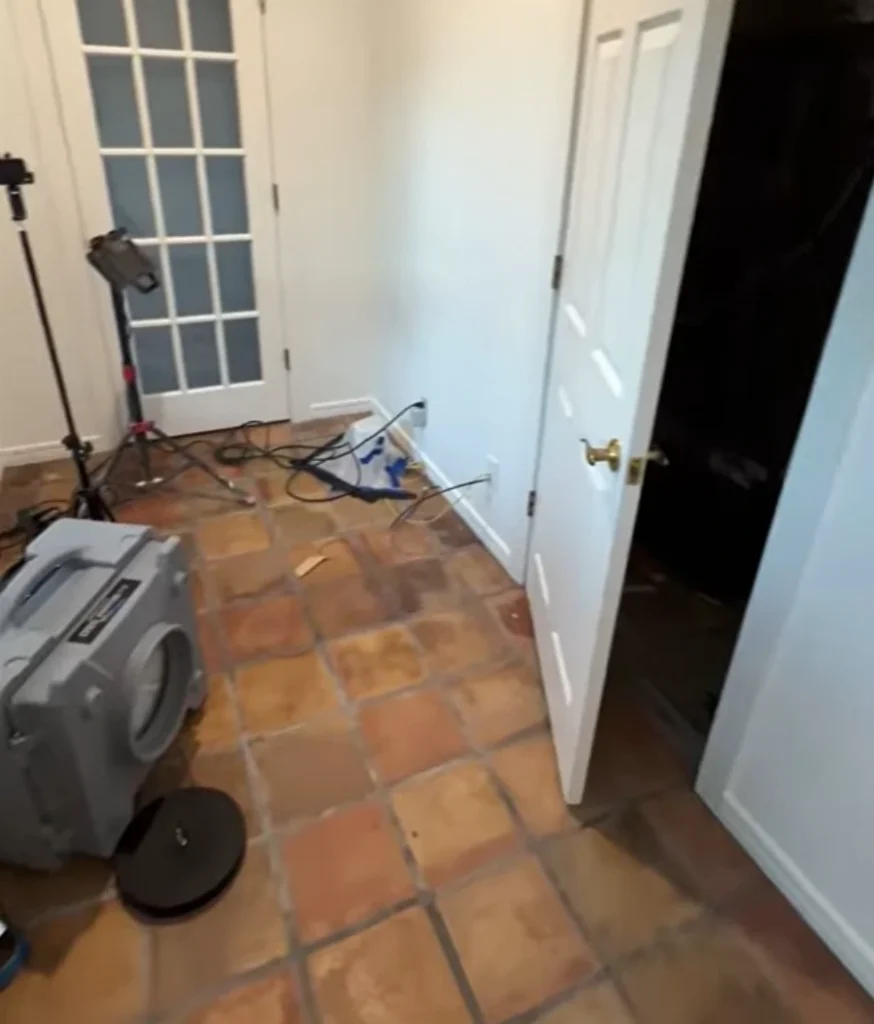
Air scrubbing in progressSet the Right Expectation
A professional should give an initial expectation and explain when it changes. Customers get frustrated when a four-day timeline silently becomes a multi-week project.
Not sure how long yours would take?
Ask about your timelineCommon Mold Scenarios We Resolve in Gainesville Homes
Every mold job is different, but these are the patterns we see most often across attics, bathrooms, kitchens, and crawlspaces in Gainesville homes:
Illustrative examples based on common patterns, not specific past clients.
The Painted-Over Bathroom Spot
A dark spot creeps along the bathroom ceiling near the exhaust fan. Management sends someone to paint over it. Within weeks, it’s back, because painting doesn’t address the moisture source, it just hides the surface. This is a common pattern among Gainesville renters.
The Kitchen Cabinet Leak
A slow leak under a kitchen sink goes unnoticed for weeks, hidden behind cabinetry. By the time a musty smell gives it away, water damage and mold have spread into the adjacent wall cavity, far more than the small stain under the sink suggested.
The Attic Ventilation Gap
After a roof repair, a gap in attic ventilation traps humid air against the roof decking. Over months, condensation cycles create ideal conditions for mold on framing and insulation, often discovered only during a home inspection.
What these have in common: none of them started as a “mold problem”, they started as a small leak, a ventilation gap, or a spot someone assumed was cosmetic. Catching it early is almost always faster and simpler.
See the Difference: Before & After
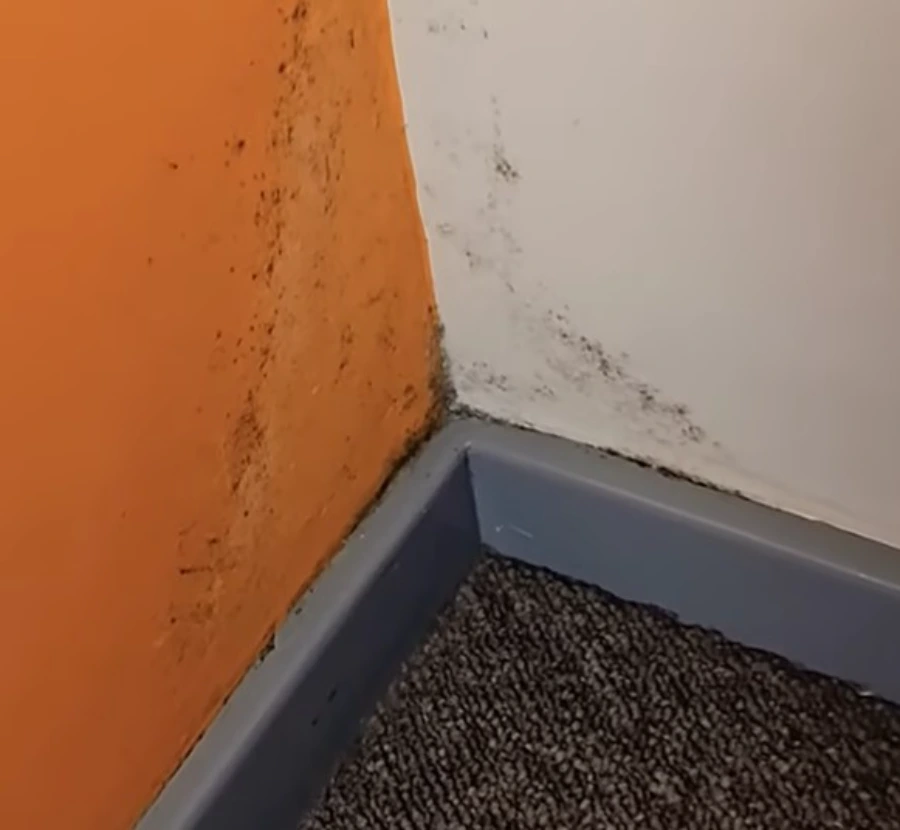
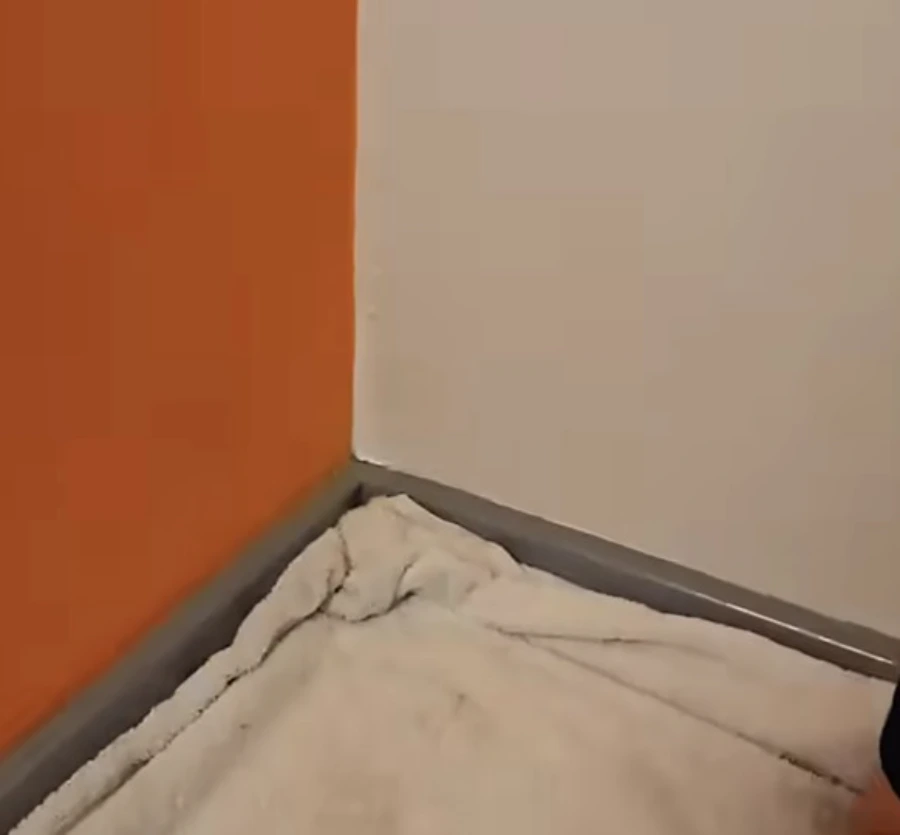
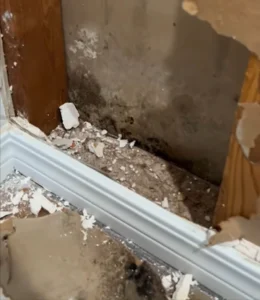
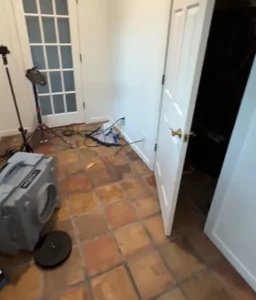
Wall Cavity Mold Removal
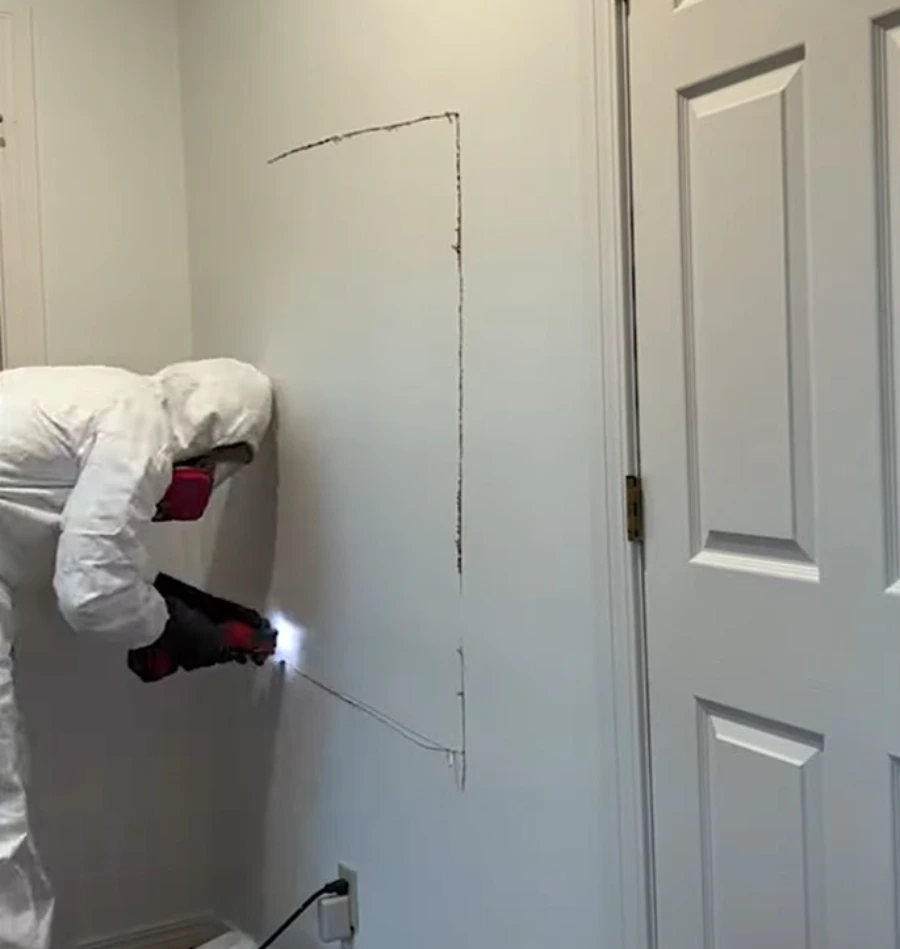
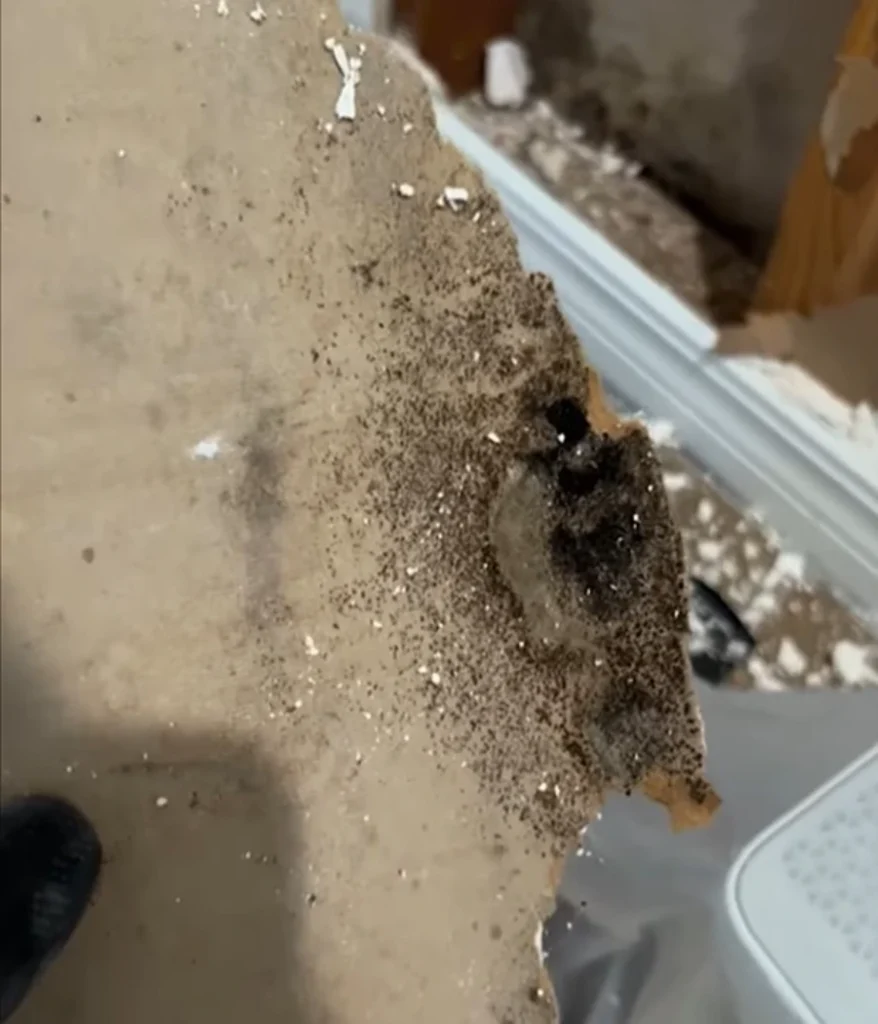
South Gainesville, 32608. A musty smell along an interior wall turned out to be mold growing inside the wall cavity from a slow, hidden plumbing leak. We opened the wall, removed and treated the affected material, and sealed everything back up, full removal and remediation in one visit.
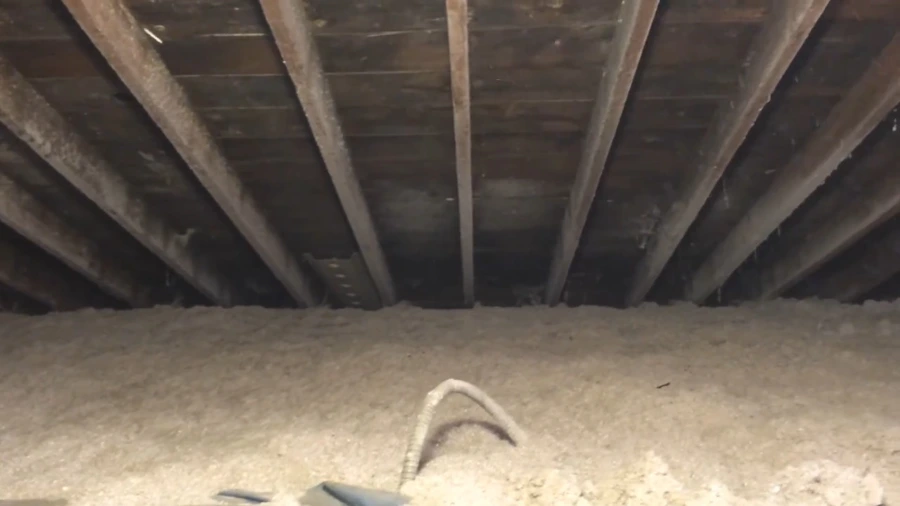
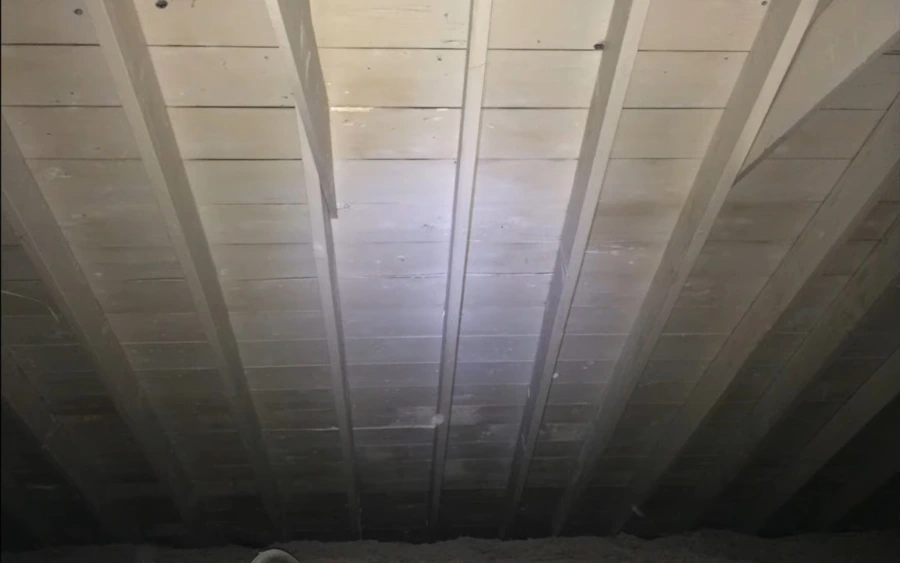
Attic Mold Removal
Southeast Gainesville, near Paynes Prairie, 32641. Poor attic ventilation had let humid air linger around the rafters, and mold had spread across the sheathing. We cleaned and treated the affected wood, corrected the ventilation issue causing it, and left the attic clear.
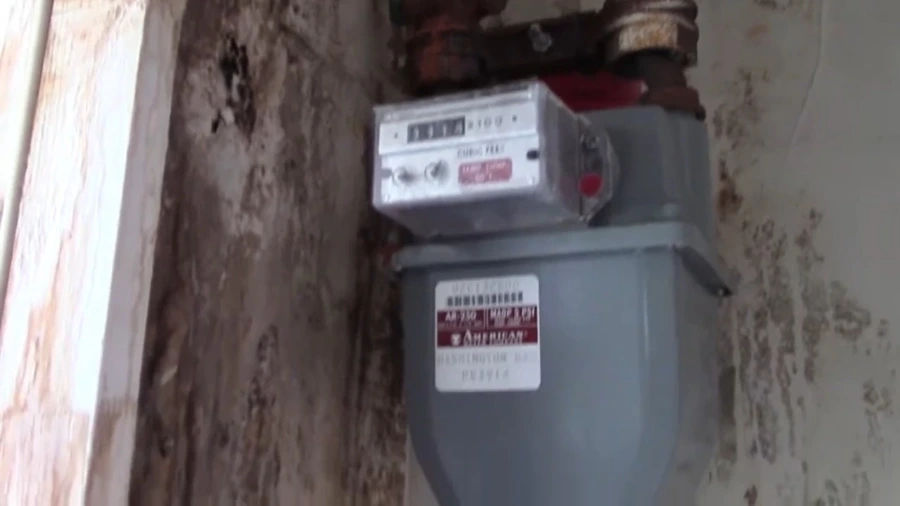
Mold Behind the Wall
Same South Gainesville property, a two-story home. This time the mold was growing behind an interior wall near a second-floor bathroom. We traced the moisture source, opened the wall from the inside, removed and treated the contaminated material, and closed it back up once everything tested clear.
Drywall Mold Repair
East Gainesville, 32641. A previous roof leak had left mold spreading through sections of drywall in a back bedroom. We removed the damaged drywall, treated the framing underneath, and replaced it with fresh material, straightforward repair, problem solved for good.
Crawl Space Mold Remediation, Start to Finish
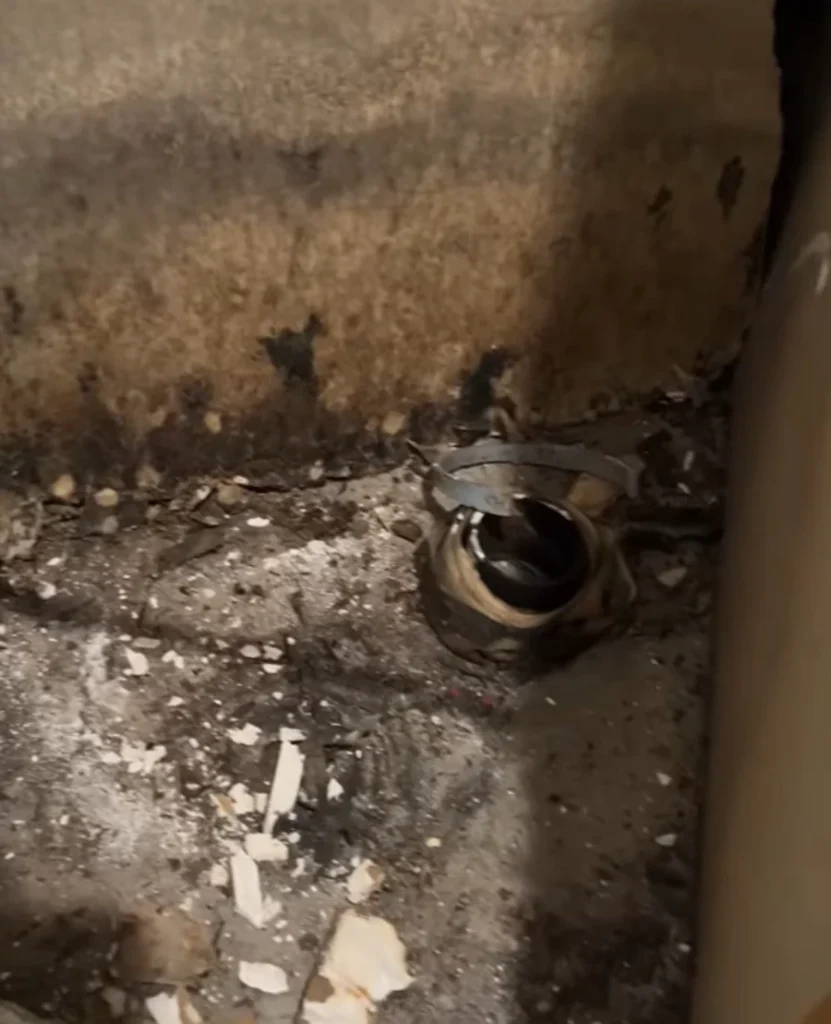
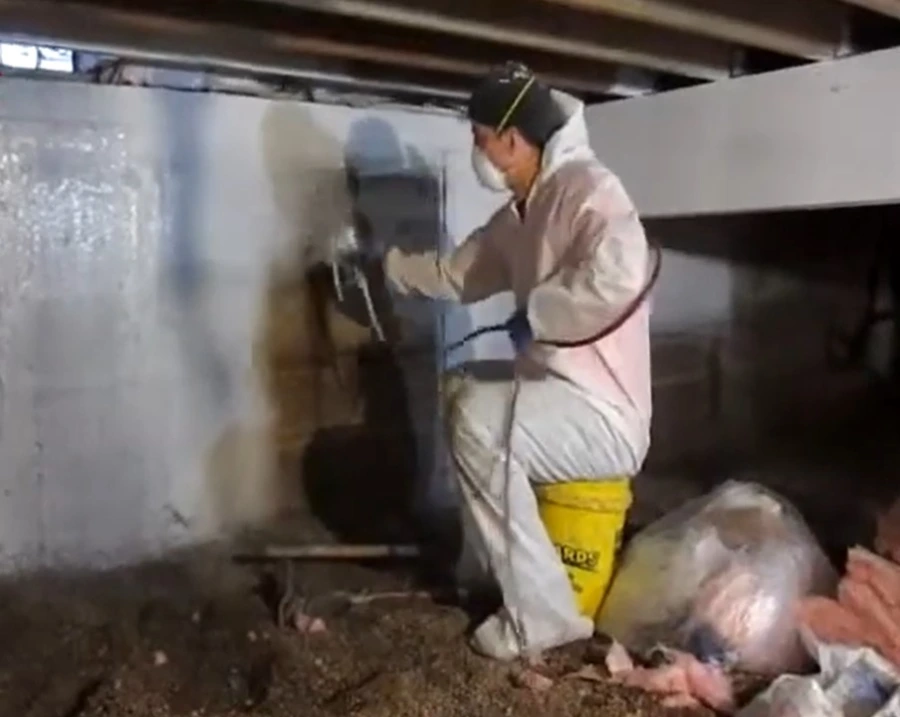
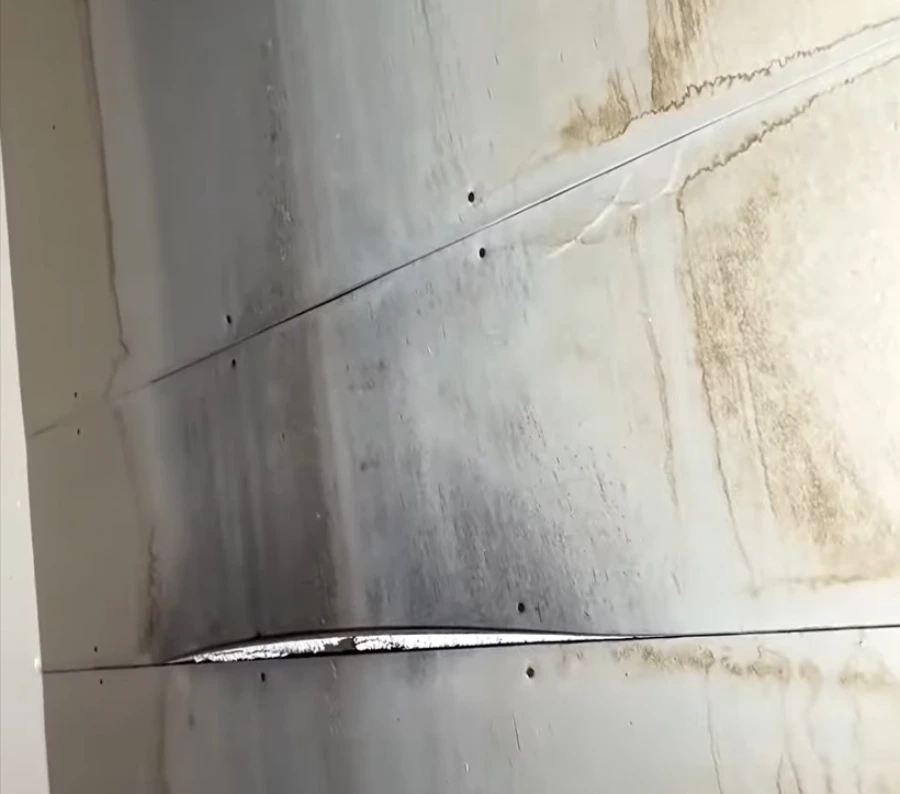
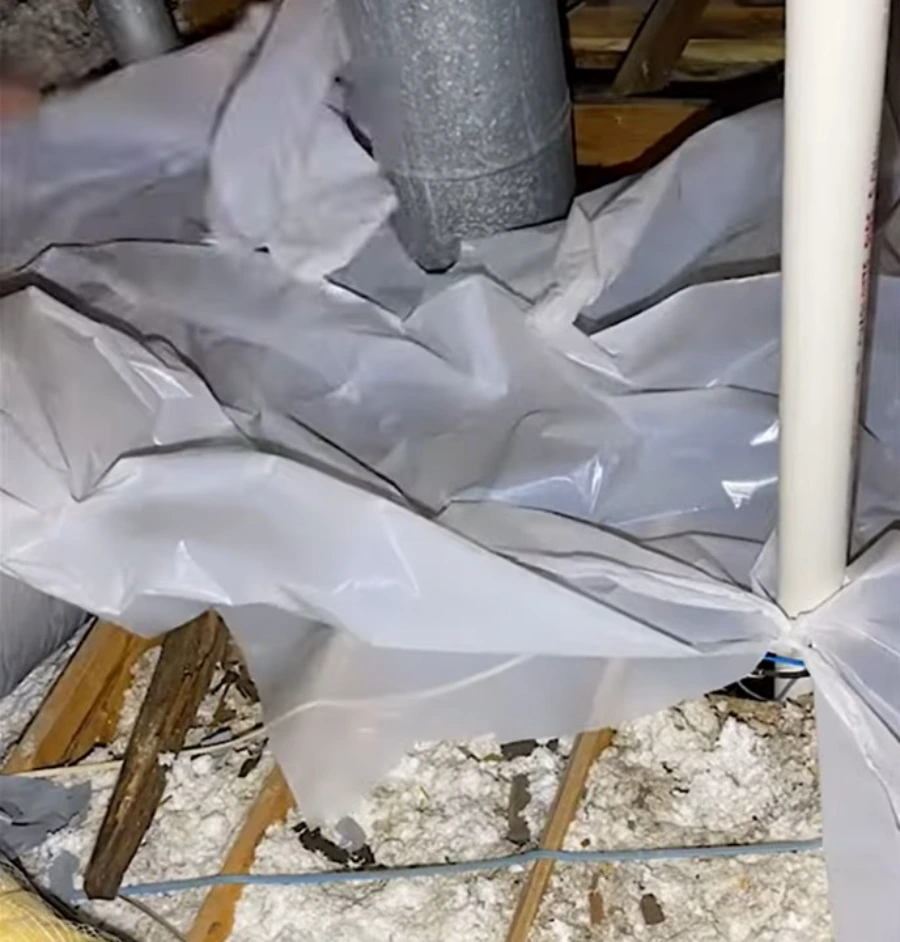
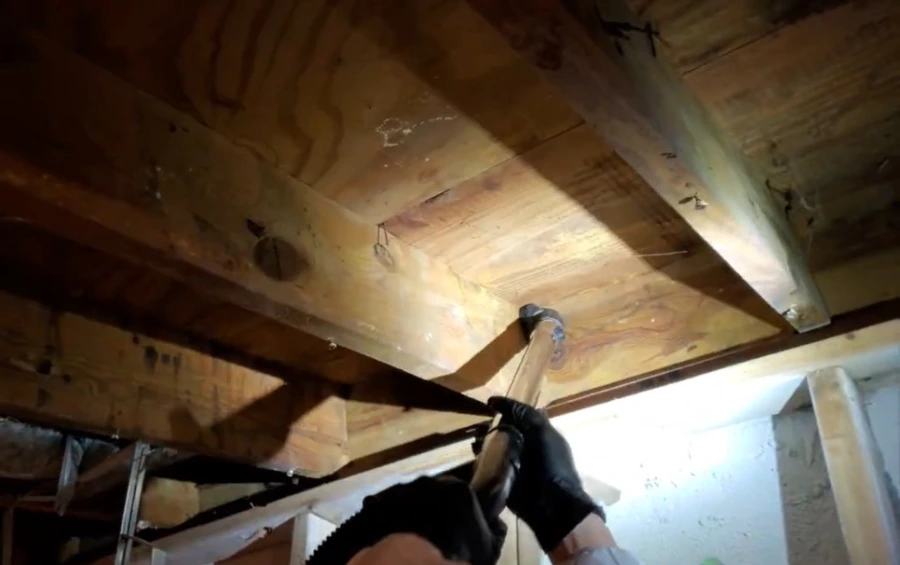
This job was a raised home off SE 35th Ave, near Paynes Prairie, built up on piers and posts like a lot of houses on this side of Gainesville, with a crawl space underneath instead of a basement. Here’s a quick look at how a crawl space mold job actually goes, start to finish:
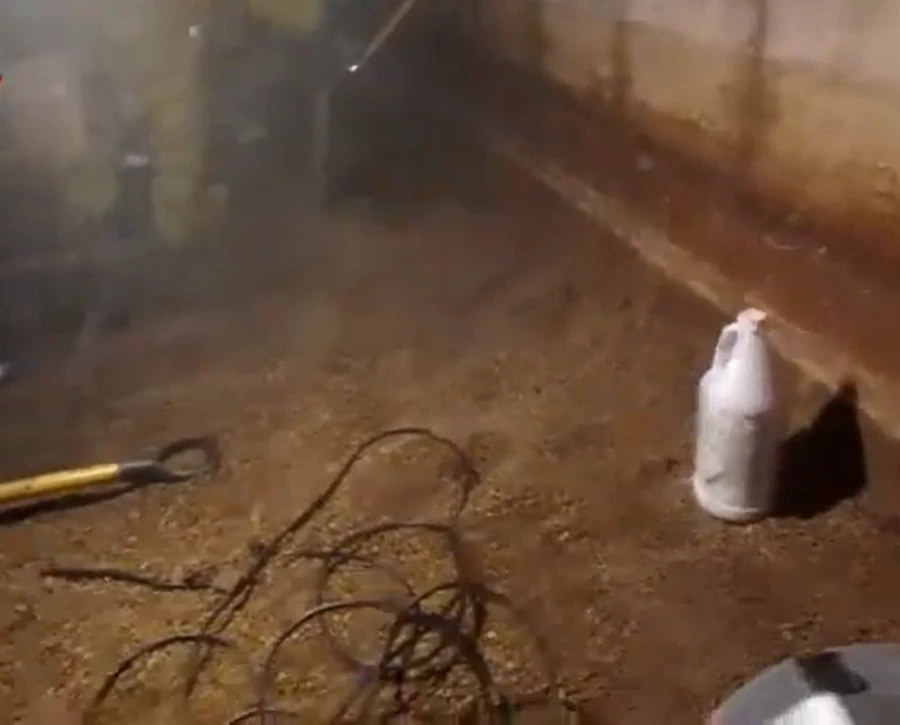 Step 1
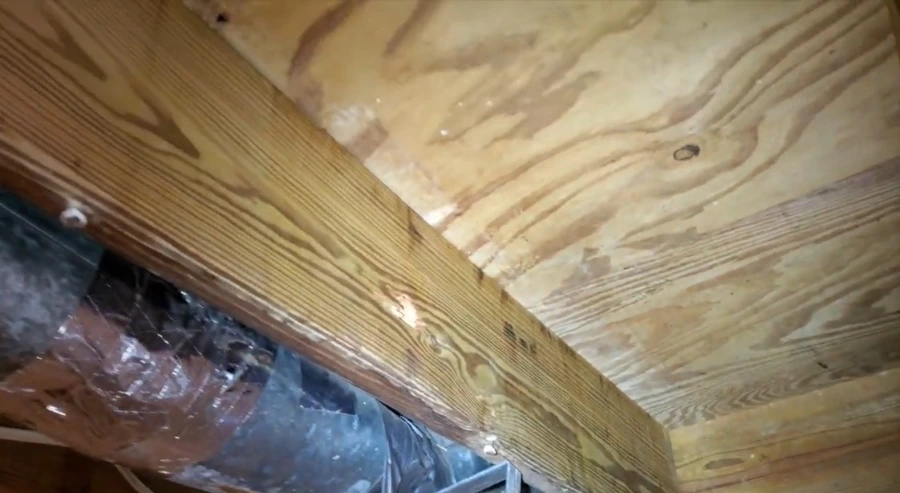
Before, moisture had been sitting under the house long enough for mold to spread across the floor joists and subfloor.
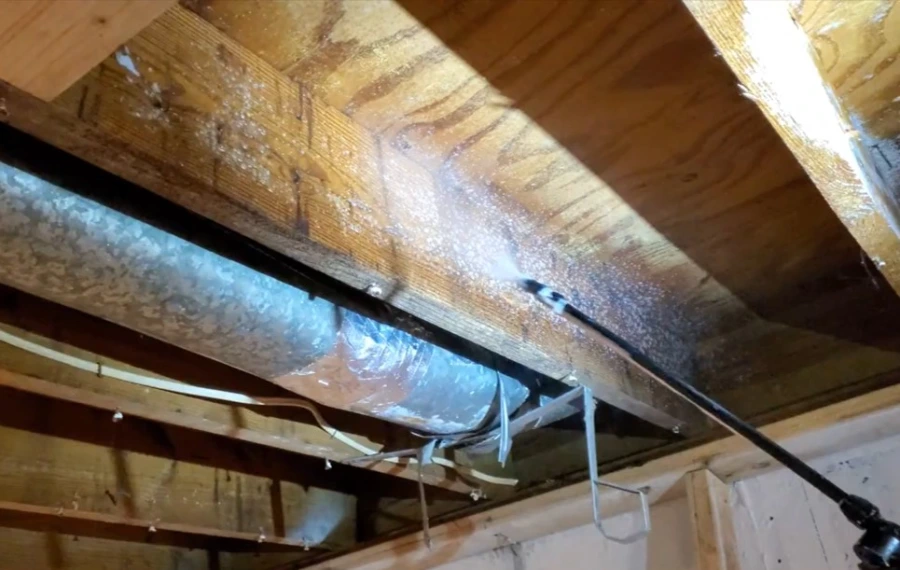 Step 2
Containment & Remediation, before anything gets touched, we seal the crawl space access and set up negative air so spores don’t move into the living space.
 Step 3
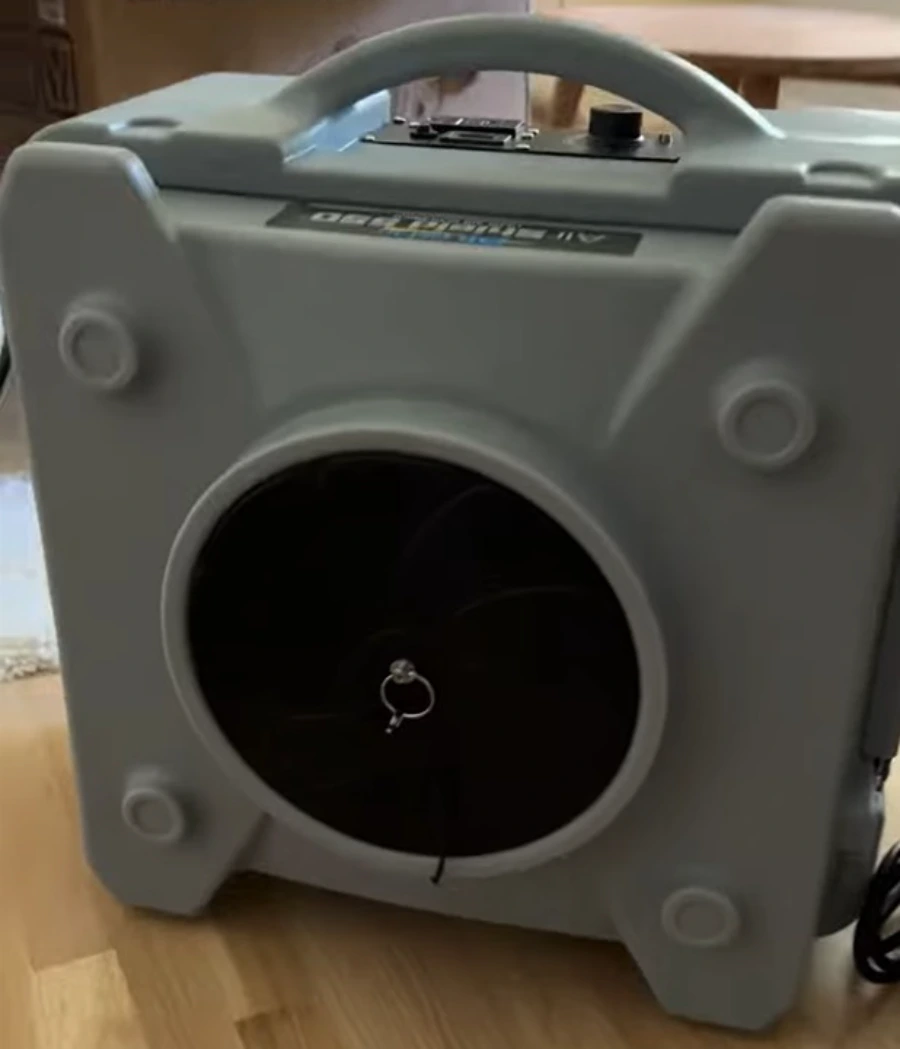
The work, removing what can’t be saved, treating every joist and support post, running air scrubbers the whole time.
 Step 4
After, treated, cleared, and a vapor barrier down so the space can stay dry instead of growing mold again.
That’s the honest version of a crawl space job out here, not glamorous, but it’s what keeps the floors and walls above it dry and mold-free. With a pier-and-post foundation, there’s more airflow down there than a sealed basement, but that also means more humidity moving through, especially during a Florida summer, so the fix has to hold up long-term, not just look clean on day one.
Seen something similar at home?
Talk to us about itWhat Gainesville Customers Say About Gainesville Mold Rescue
Real feedback from people who called us about mold, leaks and moisture problems.
They came by for a free visual inspection for mold and even got on our roof to discover where the water had gotten in.
They're super nice, pleasant, professional, and diligent! They did an excellent job remediating an issue we had due to a leaky window.
They were able to start the work within 24 hours!
Which Mold Service Do You Need in Gainesville?
Mold shows up in different places and needs a slightly different plan each time. Pick the closest match, or call us and describe what you see.
| Service or guide | When it fits |
|---|---|
| Emergency mold removal | Active leak, storm water or fast spreading growth |
| Black mold removal | Dark growth on walls, ceilings or cabinets |
| Water damage restoration guide | The first 48 hours after a leak or storm |
| Our mold remediation process | What happens, step by step, and why |
| Attic mold removal | Stains on the roof deck, wet insulation, bath fans venting into the attic |
| Crawl space mold removal | Musty smell from the floor, damp joists |
| AC and duct mold | Musty air from vents, mold near the air handler |
| Mold encapsulation | Sealing clean, dry framing in damp areas |
| Dry ice blasting | A cleaning method for some surfaces |
| Commercial mold remediation | Offices, shops and rental properties |
| Mold prevention tips | Humidity, AC and habits that keep it away |
| Trauma and crime scene cleanup | Biohazard cleanup and restoration |
| Mold and health | What the EPA and the Florida Department of Health say |
Got Mold Questions?
Can’t find what you’re looking for? Give us a call. We’re happy to talk through what you’re seeing and give you an honest assessment, whether you need professional help or something you can safely handle yourself.
Call us (352) 450-4030
How do I know if it is actually mold and not just a stain?
A brownish or yellowish water stain by itself is not mold. It is evidence that moisture was there. What points to active mold is a musty smell that does not go away, a fuzzy or speckled texture (black, green or white), or growth that spreads over a few days after a leak. If you are not sure, a quick call and a photo usually tells us enough to point you in the right direction, and we can connect you with a local provider when you want someone to look in person.
Can I clean small mold spots myself?
Often yes. The EPA says an area smaller than about 10 square feet on a hard surface is generally something a homeowner can handle, using gloves, goggles and an N-95 respirator, soap or detergent and water, and fixing the moisture first. Hidden or larger growth is a different job. The DIY or pro checklist has the details, or call us at (352) 450-4030 and we can talk it through before you start scrubbing.
Can mold come back after remediation?
Yes, if the original moisture source is not fixed. Remediation removes the mold that is already there, but if a leak, ventilation gap or humidity problem caused it, mold will return unless that root cause is addressed too. That is why a real assessment identifies the moisture source and not just the visible mold.
Can I stay in my home during mold remediation?
In many cases, yes. Containment barriers seal off the work area, and for larger jobs involving HVAC systems or whole-home contamination we tell you upfront if temporary relocation makes sense. More in Can You Stay Home During Mold Remediation?
Can mold in my house make me sick?
It can. The CDC lists people with asthma, mold allergies, weak immune systems and chronic lung disease as the groups most at risk. Exposure can cause a stuffy nose, sore throat, cough, wheezing, burning eyes or a skin rash, or it can cause no symptoms at all. If anyone in your home has unexplained symptoms that improve when they are away from the house, tell your doctor and have the home checked for moisture and mold.
How can I tell if there is mold in my air ducts?
Common signs include a musty smell when the AC runs, visible dust or debris buildup at vents, and allergy-like symptoms that seem worse when the system is running. Since HVAC systems circulate air through the whole house, mold in the ductwork can spread spores to rooms that otherwise look completely unaffected. None of these signs proves mold on its own, so the ducts should be looked at before anything is cleaned or replaced.
How quickly can mold develop after water damage?
There is no universal hour when every wet material develops visible mold. The EPA recommends drying water-damaged areas and items within about 24 to 48 hours when practical, and Gainesville humidity makes a slow dry-out riskier. The storm clock shows how the first two days break down.
Do I need mold testing before remediation?
Not always. The CDC does not recommend routine mold testing, because there are no accepted safe levels and results do not change what you do when mold is visible. Testing becomes more useful when the source is concealed, the extent is disputed, or documentation is required. See inspection, testing and remediation for how they differ.
Can bleach remove mold from drywall or wood?
Bleach is not a universal remediation method. Porous materials may hold moisture or contamination beneath the visible surface, and the EPA does not recommend routine biocide use. A product that changes discoloration does not necessarily correct damaged material, concealed growth or the moisture source. If you use bleach anyway, never mix it with ammonia or other cleaning products.
How quickly can someone come to my Gainesville property?
Call (352) 450-4030 any time, day or night, and we will help get a local provider to your address as soon as their schedule allows. Active water, a storm surge in demand or a remote location can change the timing, so it helps to tell us right away if water is still leaking.
How long will drying equipment remain in my home?
Only as long as moisture readings and drying goals justify, so there is no fixed number of days. Saturation, humidity, material layers and continued moisture all affect it. See the timeline section for what changes the schedule.
Will I receive updates during the project?
Yes. When the job is booked we confirm who your contact is and how updates will reach you, and any change in scope or schedule is discussed with you before the work continues.
How will my floors and furniture be protected?
The written scope describes pathway protection, contents handling, containment, debris control, daily cleanup and any occupant or pet restrictions that apply to your project, so you know what to expect before we start.
Will mold remediation include drywall repair and painting?
Not automatically. Remediation and reconstruction are often separate scopes. The agreement should identify whether drywall, trim, flooring, paint, cabinets and other finishes are included, so ask before work begins.
How do I know whether the remediation was successful?
The most reliable sign is that the moisture source is fixed and the area stays dry. Completion can also be checked against moisture goals, visual cleanliness, the written scope and independent post-remediation verification when required.
Does mold around an AC vent mean all the ducts are contaminated?
No. Discoloration may involve the grille, adjacent ceiling, condensation, insulation, duct leakage or air-handler conditions. The relevant components should be evaluated before broad duct treatment is recommended.
Why do I smell mold when nothing is visible?
The odor may come from a concealed wall cavity, cabinet base, flooring assembly, attic, HVAC component or another damp area. Odor supports further moisture investigation but does not identify the species or prove the extent.
Service Area
Mold Help Across Gainesville, FL
We work with homeowners, renters, landlords, and businesses throughout Gainesville.
Gainesville ZIP Codes We Serve
32601 32603 32605 32606 32607 32608 32609 32641 32653
Neighborhoods & Corridors
Downtown Gainesville Pleasant Street Duckpond University of Florida Midtown East Gainesville Northwood Millhopper Newberry Road Tower Road Archer Road Butler Plaza Celebration Pointe Haile Plantation
Confirm coverage for your exact address when requesting service.
Nearby Communities We Also Serve
High Springs · Alachua · Newberry · Archer · Micanopy · Tioga · Hawthorne · Waldo · La Crosse
Ready to book? Use our contact page or browse our Gainesville mold removal resources.
Gainesville Mold Rescue: Serving Gainesville, FL
Gainesville Mold Rescue serves homeowners throughout Gainesville and nearby residential areas.
If you’re dealing with visible mold, musty odors, water damage, or moisture problems, give us a call and we’ll help you determine the next step.
Call now to find out what your mold problem needs.