
Mold Remediation Process in Gainesville, FL: What Actually Happens, Step by Step
Most people have never had mold removed, so the first call comes with a lot of questions. Will you tear out my wall? Will the smell come back? How long are people in my house? Do I have to leave? We would rather walk you through the whole job before it starts than have you guess. This page shows what we do, in order, and why. It also tells you which parts you can safely handle yourself and where Gainesville’s humid air, afternoon storms and AC closets change the plan.
The short version: find the water, contain the area, remove what mold has taken over, clean what is left, dry everything, then check the result before anyone rebuilds. Skip a step and the mold usually comes back.
- Find the water first
- Contain before you remove
- Dry before you rebuild
- Check before you close up
Checked against EPA and Florida Department of Health guidance, October 2026.
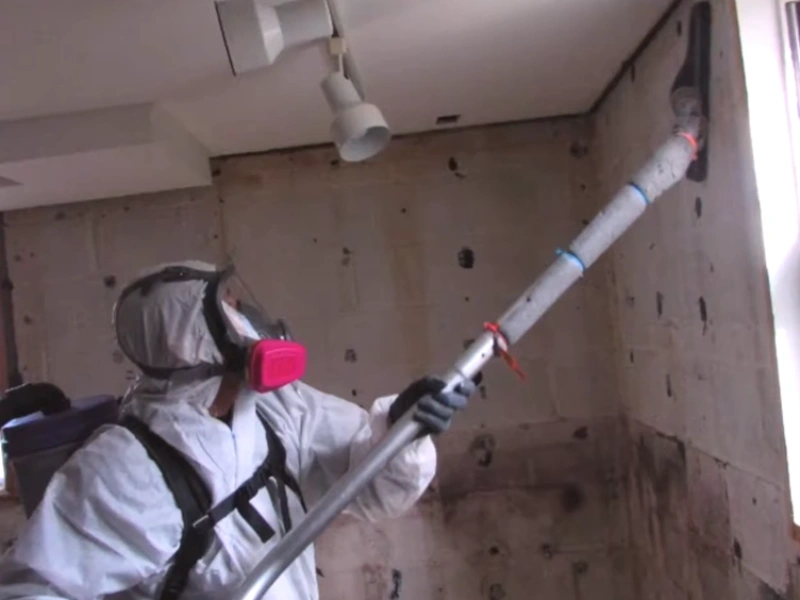
What Is the Mold Remediation Process, in Plain English?
Remediation means finding and fixing the moisture, sealing off the work area, removing material that mold has taken over, cleaning everything that stays, drying it all out, and checking the result before the rebuild. Cleaning mold off the surface is not remediation. If the water source is still there, the mold returns.
Call and triage
Where, how long, what caused it
Inspect and find the water
Moisture readings, notes, photos
Contain
Plastic, negative air, HEPA filtration
Remove
Cut out and double bag what mold took
Clean
HEPA vacuum and damp wipe
Dry
Dehumidify until readings are normal
Check
Visual, readings, optional clearance
Everything below goes into each step: what happens, why, what you will see in your house, and what changes here in Gainesville. If you want the numbers and timing, jump to how long it takes.
What Happens When You Call Us About Mold in Gainesville?
We start with questions, not a sales pitch. Tell us where you see it, what you smell and where you think the water came from. Photos help a lot. If you are in the middle of an active leak or storm damage, tell us that first, because a water crew may need to dry things before we can start.
What helps us on the first call
- Where the mold or smell is (bathroom, AC closet, attic, wall, crawl space)
- What caused the water: a leak, a roof problem, storm water, high humidity
- When it started and how long it stayed wet
- Photos of the area and of the AC closet
- Whether anyone at home has asthma, allergies or a weak immune system
What we will not do
- Quote a price over the phone before seeing it
- Tell you it is “toxic” to rush a decision
- Price by the color of the mold
- Pressure you to sign the same day
| What you tell us | What we usually ask next | Why it matters |
|---|---|---|
| Musty smell in a room | Any leak, AC problem or wet carpet in the last few weeks? | Smell often points to a hidden wet spot |
| Stains on a ceiling | Roof leak, attic duct or bathroom above? | The stain is the symptom, the water source is the problem |
| Mold near the AC | When was the drain line last cleared? | A clogged condensate line is a classic Gainesville cause |
| Mold after a storm | How long was it wet? Is the roof opened? | Sets the order: water crew first, mold work next |
| Rental unit | Has the landlord been told in writing? | Records matter. See our water damage page for renter steps |
How Does a Mold Inspection and Moisture Check Work Before Removal?
Before anything gets cut or covered, we look. Where is the mold, how far does the moisture go and, most important, where did the water come from? Inspection is the step people want to skip, and it is the one that decides whether the mold stays gone.
What do we look for?
- Visible growth, staining, soft or swollen drywall, peeling paint
- Moisture readings on walls, framing and subfloor with a meter
- The source: a leak, roof opening, AC drain, plumbing, window gap or plain humidity
- Notes and photos of every affected area, so nothing is guessed later
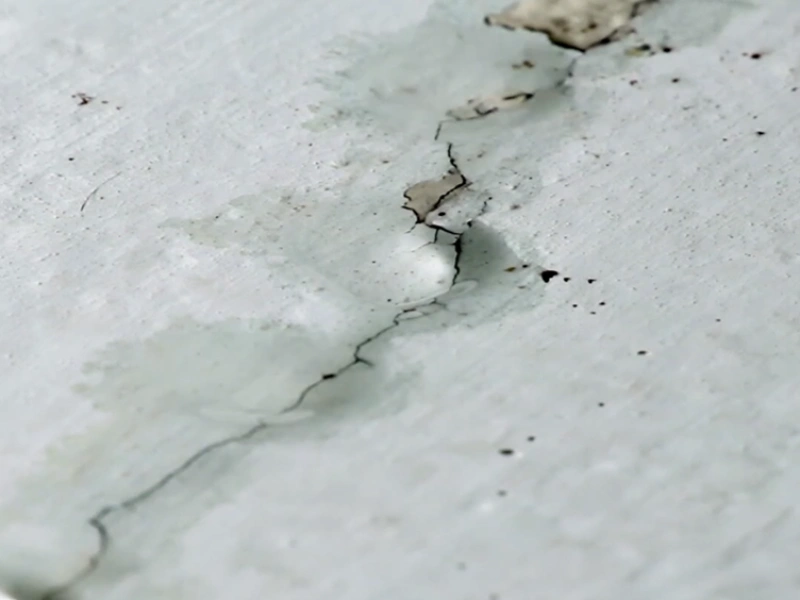
Finding the water source comes before any removal.
Why do we write everything down?
A written note of what was found, where and how wet it was becomes the scope of work. It also helps your insurer, landlord or contractor see the same thing we saw. It is also how we know what changed by the end of the job.
- Where the moisture reads high, and how high
- What is affected, and what is only stained
- What is outside our scope, such as a roof repair or a plumbing fix
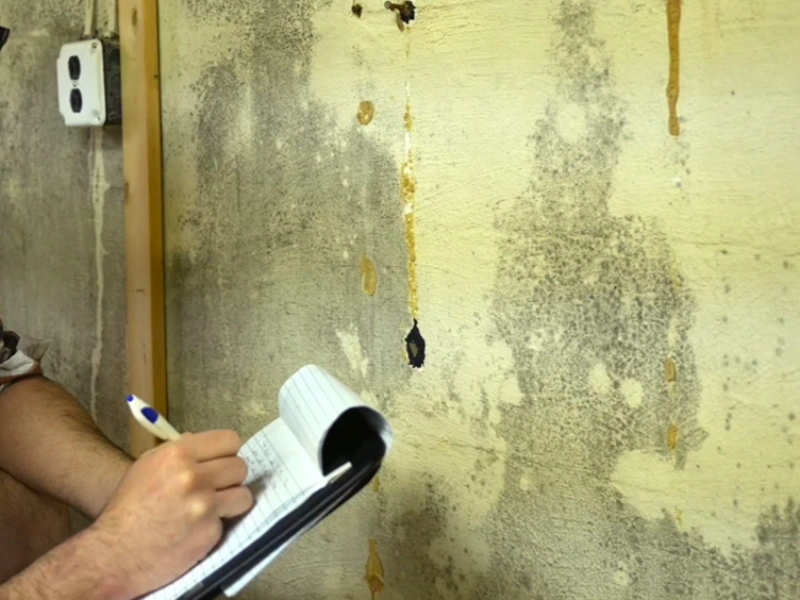
Notes and photos become the written scope.
Do you need a mold test before remediation?
Usually not. The EPA says that if you can see or smell mold, sampling is typically not needed to decide what to do. Testing helps in specific cases: a hidden problem you cannot find, a dispute with a landlord or insurer, or when someone wants to confirm the area is clear afterward. A hardware store petri dish only shows spores exist in the air, and spores are always in the air.
Where does the water usually come from in Gainesville?
| Source | Why it is common here | What the inspection looks for |
|---|---|---|
| AC drain line or pan | Cooling runs most of the year, and the line clogs | Wet closet, damp insulation, rusty pan |
| Roof leak | Heavy afternoon storms and hurricane season rain | Stained decking, wet attic insulation |
| Bathroom moisture | Humid air, weak fans, fans that vent into the attic | Ceiling spotting, damp attic above |
| Plumbing leak | Supply lines, drains, appliance hoses, water heaters | Wet baseboards, swollen cabinet bases |
| Window and wall gaps | Wind driven rain and failed caulk | Staining at corners and sills |
| Plain humidity | Closed up houses and AC set too high or off | Mold on cool surfaces: vents, closets, outside wall corners |
Why Do We Seal Off the Area and Run Negative Air During Mold Removal?
Mold spores are tiny and light, and the worst thing you can do is stir them up and let the house’s air carry them to clean rooms. Containment keeps the work inside one zone.
What does containment actually look like?
- Plastic sheeting seals the work area, doorways and openings
- A HEPA filtered negative air machine holds the space at slightly lower pressure, so air moves into the work area, not out of it
- A HEPA air scrubber runs while work is going on to filter spores out of the air
- Vents in the work area are covered, and in an AC job the system may be isolated so the air handler does not spread spores around the house
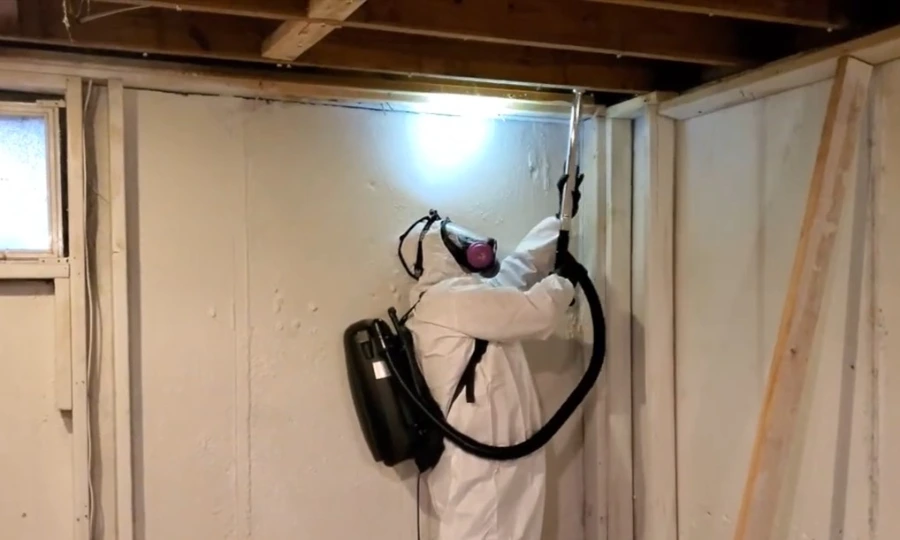
A HEPA air scrubber filters the air inside the work area.
Why does the AC matter so much in a Gainesville containment?
Because the AC is the lungs of the house. If the air handler runs while we are cutting out drywall or insulation near a return, it can pull spores into the ductwork and push them through every room. That is why we cover vents, and why a mold problem near the air handler or in the ducts gets treated as its own job. See our AC and duct mold page.
How is containment different in tight spaces?
- Attics: open rafters and loose insulation hold spores, so sealing and air filtration take more care. See our attic mold page.
- Crawl spaces: low access changes how plastic and equipment are set up. See our crawl space page.
- Bathrooms: small rooms, showers and fans need a tight seal.
- Kitchens: cabinets can hide wet drywall behind them.
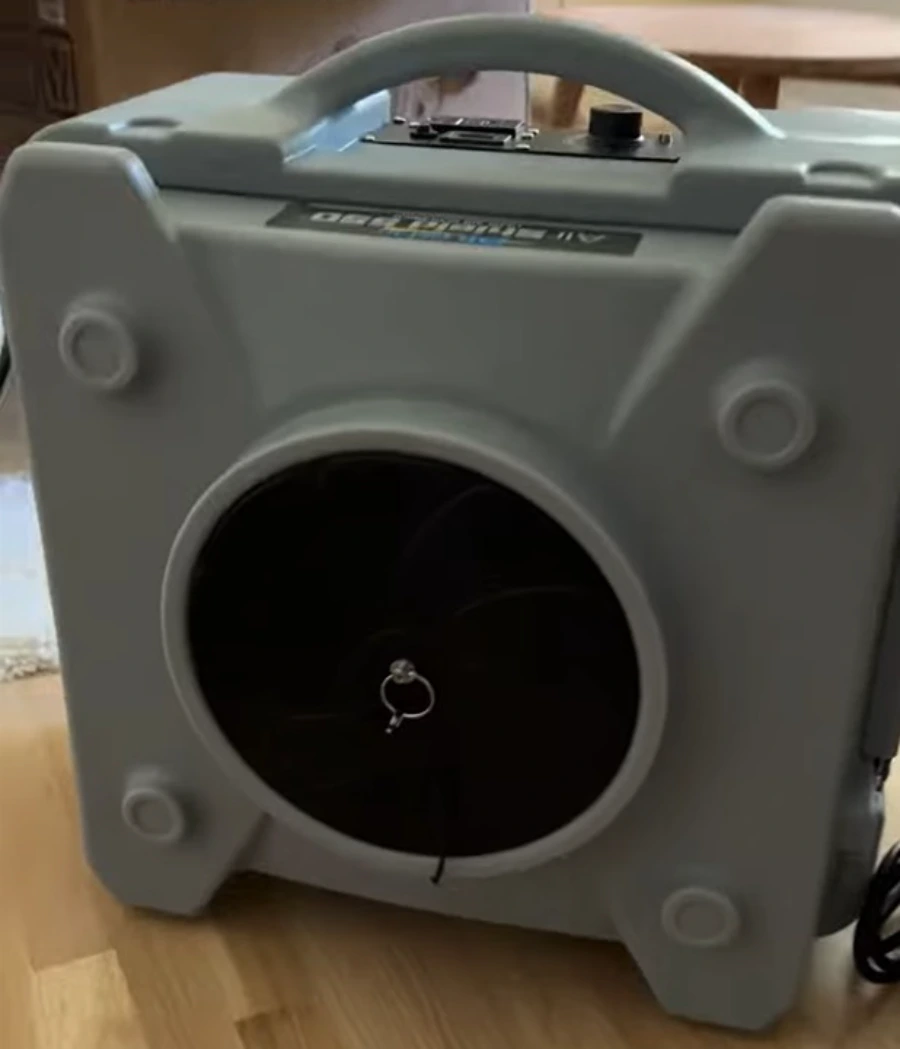
Air filtration keeps spores out of clean rooms.
How Is Moldy Material Removed Without Spreading It Through the House?
Mold on a hard surface like tile or sealed wood can be cleaned. Mold that has grown into drywall, insulation, carpet pad or soft wood is a different story. Porous material that is actually colonized rarely cleans up well, so it comes out. This is the part people think of as the tear out, and it is smaller than most people picture.
What gets removed and what stays?
- We cut out drywall, insulation, baseboards, pad or subfloor where mold has actually grown or moisture has soaked it for too long
- We work wet or with HEPA vacuum control to keep dust down
- We follow the damage to sound material, guided by moisture readings, not a fixed measurement
- Removed material is bagged twice before it leaves the containment area, and bags are wiped before they go through the house
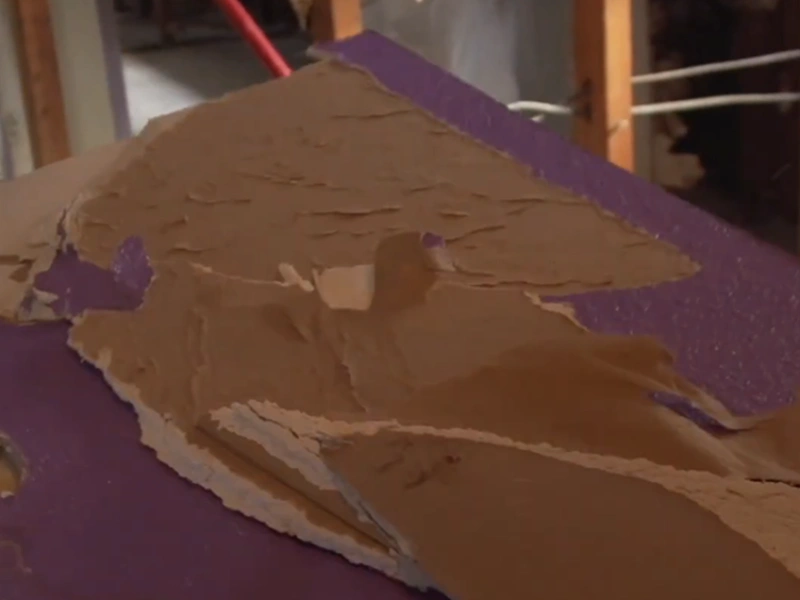
Affected material is cut out and bagged inside containment.
What does the cutting look like?
It is neat, not demolition. We mark the affected area, score the drywall and remove it in sections. If the wall behind is clean and dry, we stop there. People on Reddit ask how far past visible mold to cut. There is no single number that fits every job, because it depends on how far the moisture traveled, so we follow the readings and the material.
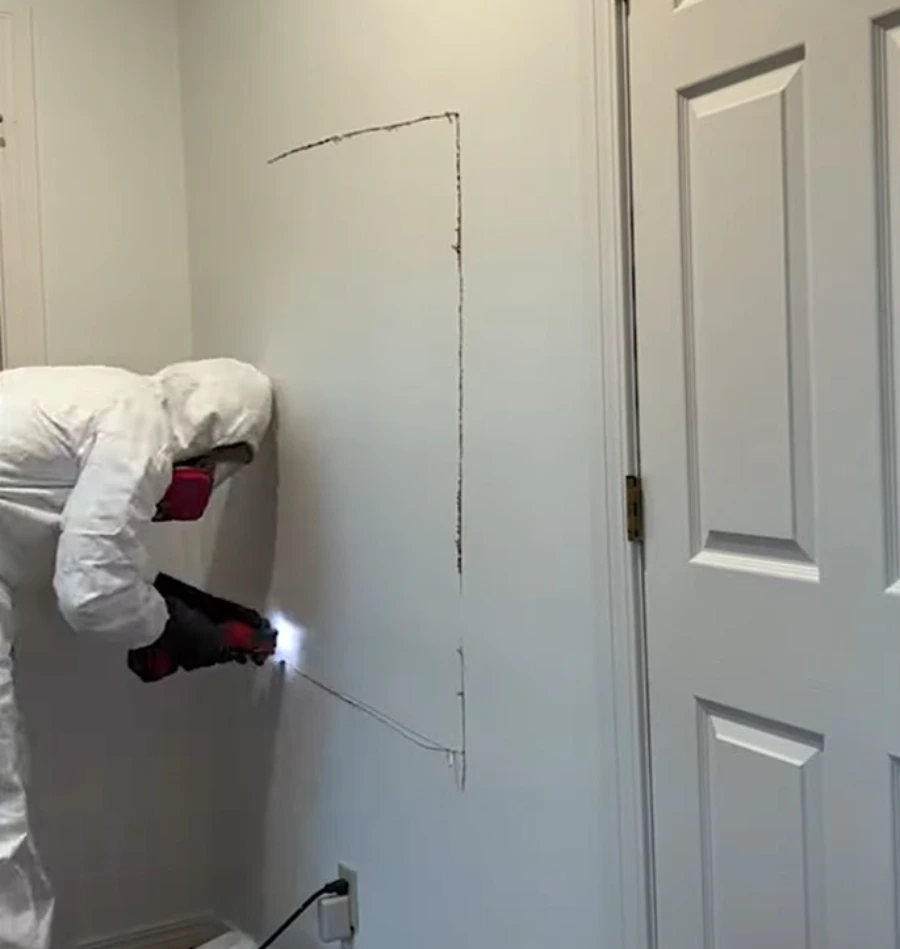
Drywall comes out in sections, not by smashing.
Which materials usually come out and which can be cleaned?
| Material | If mold has grown in it | If it was only wet briefly |
|---|---|---|
| Tile, glass, sealed concrete | Clean | Clean and dry |
| Solid wood framing | Clean, dry, check readings | Dry in place |
| Drywall | Usually removed | Case by case |
| Insulation | Removed | Check it |
| Carpet pad | Removed | Usually pulled |
| Carpet | Depends on how long and how far | Can sometimes be dried |
| Particleboard cabinets | Often removed | Swell easily |
Typical outcomes only. The EPA’s guidance is that porous material with established mold growth often has to be removed, while hard surfaces can usually be cleaned.
What Cleaning Happens After the Mold Is Removed, and Do Professionals Use Bleach?
Once the damaged material is out, we clean what is left: framing, subfloor and any surface that stays. The goal is to take away settled spores and residue, and the way to do that is mostly mechanical, not chemical.
What does cleaning involve?
- HEPA vacuuming of exposed surfaces, framing and the floor
- Damp wiping so dust is lifted, not thrown back into the air
- Brushing or sanding of framing where needed, done inside containment
- A product used only where it adds something and always per its label, with the area ventilated and sealed
- One more HEPA pass once surfaces are dry
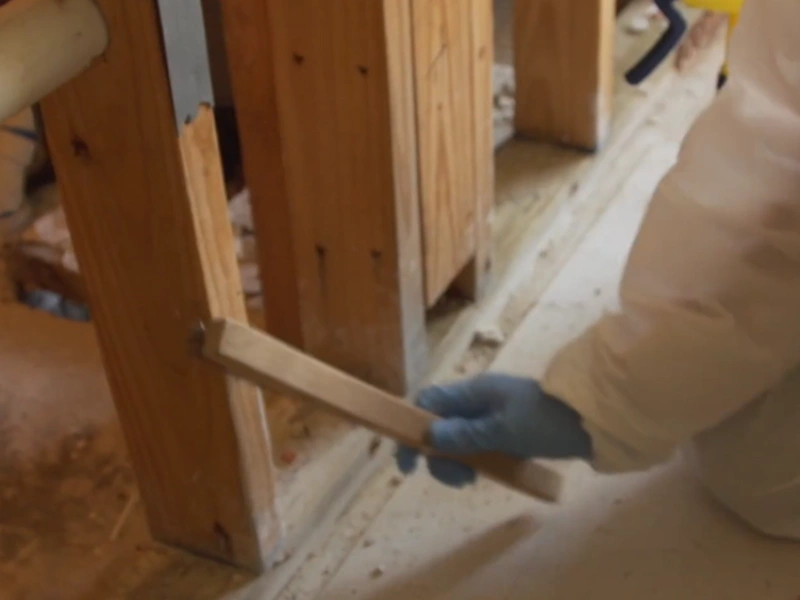
Cleaning is mostly mechanical: vacuum, wipe, repeat.
Why do bleach, vinegar and painting over mold fail?
These come up in almost every homeowner thread we see. Here is why they do not replace the process.
| What people try | Why it fails | What to do instead |
|---|---|---|
| Bleach spray | The EPA does not recommend routine bleach or biocide use. On porous material it stays on the surface and does not fix the moisture | Remove porous material, clean hard surfaces, fix the water |
| Vinegar soak | Can lift surface growth on hard surfaces, but does nothing about hidden mold or the water source | Fine for a tiny patch on a hard surface, not for a wall |
| Painting or priming over it | Paint hides it. Moisture behind it keeps feeding the growth and it bleeds through | Dry, clean, then repair and paint |
| Hardware store spray | Fine for a small hard surface, but it is a surface product | Know the 10 square foot line, and read the label |
| Borate or fungicide sprayed on wood | Some products are used on bare wood after cleaning, but they are not a substitute for removal, drying or fixing the leak | Clean and dry first. Use any product per its label |
| Dry scrubbing | Can throw spores into the air if the area is not contained | Contain first, then HEPA vacuum and damp wipe |
What do professionals actually use to remove mold?
| Tool | What it does | Why it matters |
|---|---|---|
| Moisture meter | Reads moisture in drywall, framing and subfloor | You cannot see wet inside a wall |
| Plastic sheeting and zipper doors | Seals off the work area | Keeps spores from reaching clean rooms |
| Negative air machine | Keeps air flowing into the work area | Stops air from carrying spores out |
| HEPA air scrubber | Filters spores out of the air | Cleans the air while we work |
| HEPA vacuum | Picks up fine dust and settled spores | A normal vacuum blows them back out |
| Respirator, gloves, coveralls, goggles | Protects the crew | Essential for anyone near moldy material |
| Dehumidifiers and air movers | Dry the area after cleaning | Dryness is what keeps it gone |
| Heavy bags | Double bagged removal | Keeps debris from spreading on the way out |
What about sealers and encapsulants?
A sealer can be a good last layer on clean, dry framing, especially in places that get damp, like crawl spaces and attics. It goes on only after cleaning and drying. It is never a cover up for a wet wall. Our encapsulation page goes deeper.
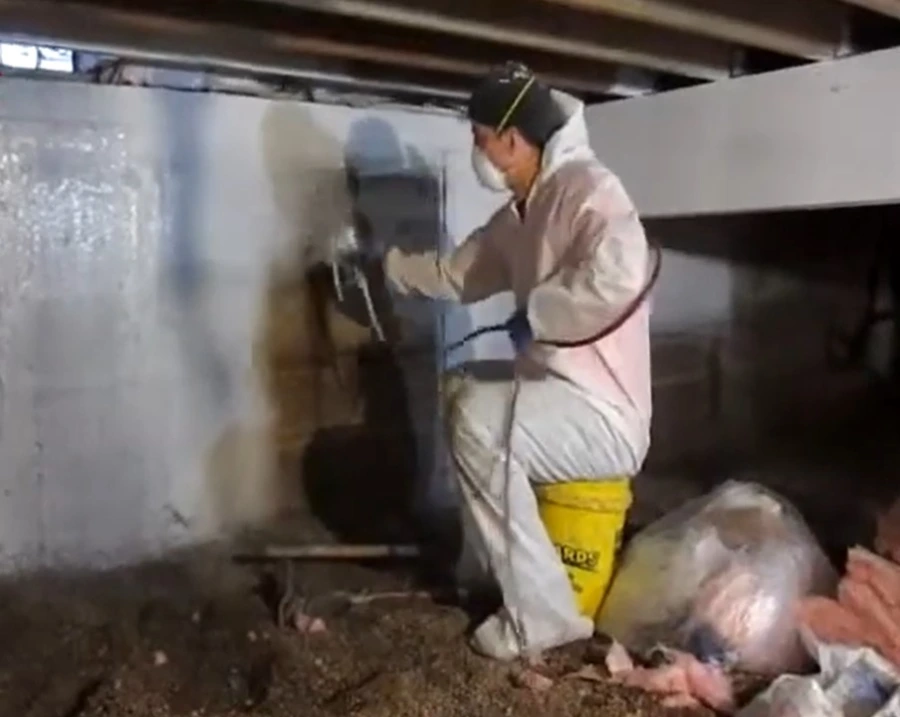
A sealer goes on only after the surface is clean and dry.
How Do You Dry the Area After Mold Removal, and When Is It Dry Enough?
This is where Gainesville makes the job different. Moisture is what let the mold grow, so drying is not a nice extra. It is part of the fix. In this climate, a wet wall will not dry on its own if the house stays closed up in summer.
What does drying involve?
- Dehumidifiers and air movers run in the work area
- The AC runs normally outside the work zone to keep the house under 60% humidity, which the EPA sets as the ceiling
- Windows are opened only during dry hours, because wet outdoor air can bring more moisture in
- We take readings again on framing, subfloor and what remains
- Treatment and rebuild wait until the readings are down
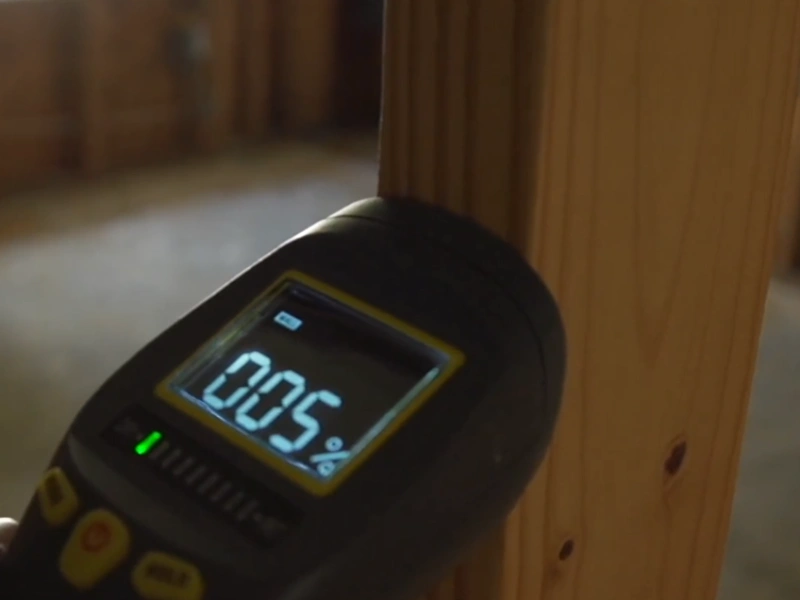
Readings tell us when it is dry enough to move on.
| Drying tool | Use in Gainesville | Watch out for |
|---|---|---|
| Dehumidifier | Best summer tool for pulling moisture from a closed area | Empty the tank or set it to drain |
| Air movers | Move air across wet surfaces | Pointless if the humidity is high and nothing removes it |
| AC | Cools and dries the house when it is working well | A clogged drain line or an off AC undoes the work |
| Open windows | Helps only in dry hours | Afternoon storms and humid evenings add moisture |
| Hygrometer | Shows humidity in the room | Keep it under 60%, and 30 to 50% is ideal |
A common recommendation in DIY guides is to allow at least 48 hours for the area to dry. That fits the EPA’s 24 to 48 hour window for wet material. In our humidity, we treat that as the minimum, not a promise, because readings decide.
What Is a Clearance Check After Mold Remediation, and Do You Need One?
Before anyone puts drywall back, we check the area. At minimum that means a visual check, moisture readings and a smell check. Some people also want a separate clearance inspection, and that is a good idea when an insurer, lender, landlord or buyer wants proof.
| Check | What it shows | When it is worth it |
|---|---|---|
| Visual and smell | No visible growth, no musty odor | Always |
| Moisture readings | Materials are dry enough to close up | Always |
| Independent clearance inspection | A separate party confirms the area is clear | Insurance, rental disputes, real estate, anyone who wants proof |
| Air sampling | Compares spore levels indoors and outdoors | When there is a specific reason, not by default |
Florida law keeps mold assessment and mold removal as separate roles on the same job, which is one reason an independent check makes sense. We are happy to work with whoever you choose.
What should you see at the end?
- No visible growth and no musty smell
- Dry framing and subfloor
- A clean work area with the plastic removed and the floor cleaned
- A short written summary of what was done
- A clear list of what is left for your contractor: drywall, insulation, paint, flooring
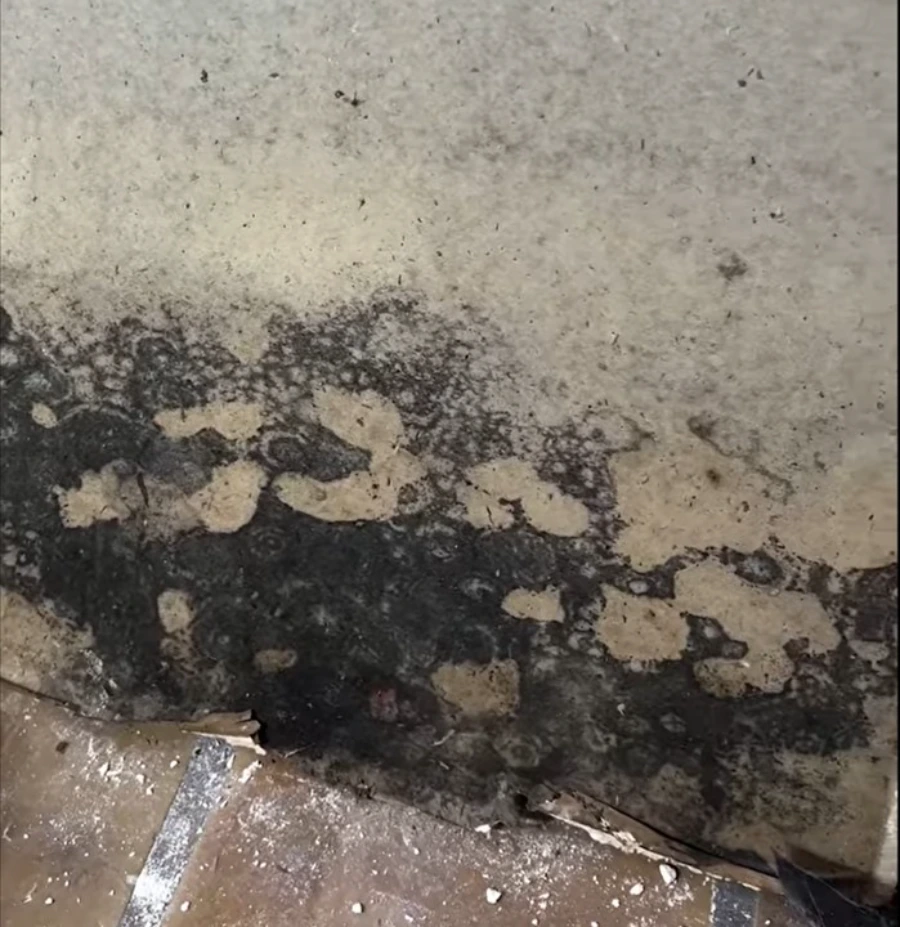
Dry, clean and checked before the rebuild.
What Happens After Cleanup: Rebuild and Keeping Mold From Coming Back?
Who does the rebuild?
Remediation ends when the area is clean, dry and checked. New drywall, insulation, paint, trim and flooring come next, usually from your own contractor. Do not rebuild over a wet or moldy wall. If it is not dry, wait.
- Fix the water source for good before anything closes up
- Clear the AC drain line and check the pan
- Make sure bath fans vent outside, not into the attic
- Keep humidity under 60% and check it with a hygrometer
- Look again two weeks later, and after the next big storm
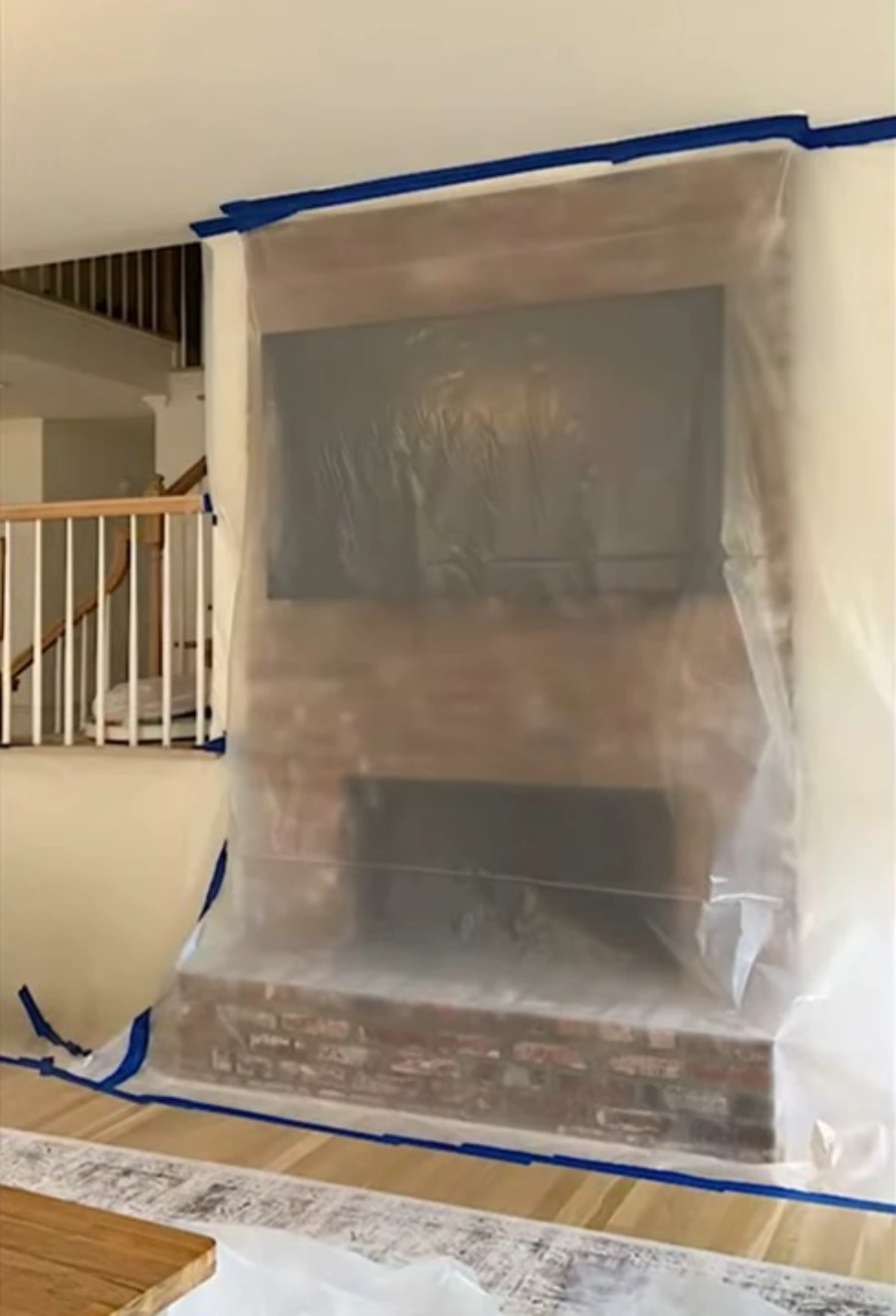
Seal and repair only after the area is dry.
Our mold prevention tips for Gainesville page covers the habits that keep it away, and our water damage page covers the first 48 hours after a leak.
How Long Does Mold Remediation Take in a Gainesville Home?
On Quora you will see answers from “10 minutes to 6 months.” Both ends are real, because the job could be a patch on a tile wall or a whole house after a roof failure. Here is a more useful way to think about it. These are typical, not promises, and your inspection sets the real schedule.
| What stretches the schedule | Why |
|---|---|
| Wet materials that need more drying | You cannot rebuild a wall that still reads wet |
| The water source is not fixed yet | Work stops until the leak is stopped |
| AC or duct involvement | The system has to be isolated and checked |
| Attic or crawl space access | Tight access slows setup and removal |
| Storm season delays | Power outages and wet weather slow drying and travel |
| Waiting on an insurer or adjuster | Scope approvals can add days |
Can You Do Mold Remediation Yourself in Gainesville?
For a small patch on a hard surface, yes. The EPA treats about 10 square feet as the rough line, and Florida law uses 10 contiguous square feet as the line for mold remediation work. Above that, or when wet drywall, insulation, a ceiling or the AC system are involved, it stops being a weekend project.
Reasonable to handle yourself
- Under about 10 square feet on a hard, non porous surface
- You know the cause and it is fixed
- You have a respirator, gloves and eye protection
- No one at home is ill or sensitive
Time to call for help
- More than about 10 contiguous square feet, or spreading
- Mold in drywall, insulation, carpet pad or ceilings
- Mold in or near the AC or ducts
- It keeps coming back
- Sewage or storm flood water was involved
What do the popular DIY videos get right, and what changes in Gainesville?
DIY guides built around flood recovery in other states often say most homeowners can do the whole job themselves. The sequence is sound: stay safe, remove wet material, dry the framing, wear protection, seal off the area, clean, vacuum with a HEPA filter, bag everything, dry, then check before rebuilding. A few details need a local adjustment.
| Common DIY advice | The issue | What we would change here |
|---|---|---|
| “Most homeowners can do this themselves” | Fine for small patches, risky for larger jobs | Respect the 10 square foot line |
| Open windows to dry for 48 hours | In Gainesville summers, outdoor air is often wetter than indoor air | Open only in dry hours, run the dehumidifier and AC |
| Wire brush the framing | Dry brushing can throw spores into the air | Contain first, then HEPA vacuum and damp wipe |
| Spray fungicide on framing | The EPA does not recommend routine biocide use | Clean and dry first, and use any product per its label |
| Start treating when framing reads about 17% | A commonly cited reference, but requirements vary | Go by readings for your materials |
| Inspect the HVAC before turning it on | Good advice | In Gainesville the air handler is often in an attic or closet, check the drain line too |
| Get an inspection before rebuilding | Good advice | Ask for an independent check if you need proof |
How Does Gainesville Weather Change the Mold Remediation Process?
The steps are the same everywhere. What changes in North Florida is how long the house stays wet, how fast mold returns and how often outside air is part of the problem. Long wet summers, near daily afternoon storms and a hurricane season that runs June 1 to November 30 all push the same way.
| Local factor | How it changes the job |
|---|---|
| High dew point from late spring through early fall | Drying takes longer, and dehumidifiers matter more than fans. Windows are not a drying tool in summer |
| Afternoon storms | Roof and window leaks reappear mid job if the opening is not closed first |
| Hurricane season | Storm damage jobs start with a water crew and a tarp, and mold work follows |
| Power outages after storms | Drying stalls, humidity climbs and mold can restart |
| AC systems that run most of the year | Condensate lines clog and air handlers become mold sources |
| Slab and crawl space homes | Access is tighter than a basement, so setup takes more care |
| Vacant homes and student rentals | Closed up with the AC high or off, so problems grow unseen |
- Lower risk
- Moderate
- High
- Peak wet season
What time of year is worst for mold in Gainesville? The wet season, roughly June through September, is the peak. But humidity here never fully goes away, so a leak in January still needs a prompt fix.
What do local jobs look like?
These are illustrative, not customer stories, but they match what homeowners in Gainesville describe.
SW Gainesville, 32608 and 32607
A second story AC pan overflows near Archer Road. The ceiling stain shows up weeks later and the insulation is wet.
Process focus: source and containmentNW Gainesville, 32605 and 32606
A water heater closet leaks slowly into the baseboard and wall base.
Process focus: removal and dryingCentral Gainesville, 32601 and 32641
An older home near the Duckpond has a slow supply leak behind a wall and a faint smell.
Process focus: inspection and moisture mappingStudent rental near Midtown, 32603
A tenant leaves for the summer with the AC off and a bathroom fan that does not vent outside.
Process focus: cleaning and dryingWhat Does Mold Remediation Cost, and What Should a Fair Quote Include?
National averages swing widely because the jobs do. The price follows the area affected, how long it stayed wet, what material has to come out, how hard it is to reach and whether the AC is involved. The rebuild is usually a separate job.
| A clear scope lists | Why you want it in writing |
|---|---|
| Area in square feet and where it is | So the scope is measurable |
| What will be removed and what will be cleaned | So nothing surprises you mid job |
| Containment and air filtration | These are real work, not extras |
| How the moisture cause is handled | Or who is responsible for fixing it |
| Drying and readings | Because dry is how it stays gone |
| What is not included | Usually the rebuild |
How do you spot a company that skips steps?
| Red flag | What a complete process looks like |
|---|---|
| No containment, just fans and spray | Sealed work area, negative air and filtration |
| “We will kill the mold” with one spray | Moisture fixed, material removed, surfaces cleaned |
| Starts work without looking for the source | Inspection and readings first |
| Skips drying | Readings before anything closes up |
| Pricing by mold color | Pricing by area and material |
| Same day signing pressure | Time for a second opinion |
| No written scope | A clear scope and a plain summary at the end |
For insurance questions, see our water damage page. In short, coverage depends on your policy, and you should call your insurer early.
Which Gainesville ZIP Codes and Nearby Towns Do We Serve?
We work around Gainesville, FL. If you are in one of these ZIP codes, call us.
- 32601
- 32603
- 32605
- 32606
- 32607
- 32608
- 32609
- 32641
Nearby: Alachua 32615, High Springs 32643, Newberry 32669, Archer 32618 and Micanopy 32667.
Related: emergency mold removal, black mold, mold and health, commercial mold remediation and mold prevention tips.
Why Talk to Gainesville Mold Rescue About the Process?
We focus on mold in Gainesville, FL, so we know how a humid summer, an AC closet and a closed up rental change the plan. We explain each step, explain the scope and let you decide. No fear tactics and no pressure. You can reach us at (352) 450-4030 or contact@gainesvillemoldremoval.net, and we are based at 1201 E University Ave, Gainesville, FL 32641.
Seeing Mold or Smelling Something After a Leak?
Call Gainesville Mold Rescue. Tell us where it is, how long it was wet and what you think caused it. Photos of the area and the AC closet help, and we will tell you what to do next.
Mold Remediation Process Questions, Answered Honestly
What is the mold remediation process?
It has seven steps: call and triage, inspect and find the water source, contain the area, remove material mold has taken over, clean what stays, dry it fully and check the result before the rebuild. Cleaning the surface alone is not remediation.
How long does mold remediation take?
It depends on the area, the materials and how wet things are. A small patch on a hard surface can take hours. One room usually takes a few days once drying is included. Larger jobs, the AC system, attics and storm damage take longer. The inspection sets the real schedule.
What do professionals use to remove mold?
Moisture meters, plastic containment, a negative air machine, HEPA air scrubbers, HEPA vacuums, protective gear, heavy bags, and dehumidifiers and air movers for drying. The work is mostly physical removal and cleaning, not spraying.
Do I need to leave my house during mold removal?
For small jobs, often not, because the work area is sealed off. For larger jobs we talk it through. People with asthma, allergies or weak immune systems may be more comfortable staying elsewhere. Ask your doctor if you are unsure.
Do I need a mold test before remediation?
Usually not. The EPA says that if you can see or smell mold, sampling is typically not needed to decide what to do. Testing can help with a hidden problem, a dispute or confirming an area is clear afterward.
Does bleach kill mold for good?
No. The EPA does not recommend routine bleach or biocide use. On porous material like drywall it stays on the surface, and it does nothing about the moisture that fed the mold.
Can I paint over mold?
No. Paint hides it. If moisture is still behind the wall, the mold keeps growing and the stain comes back. Dry, clean and repair first, then paint.
How far past visible mold do you cut drywall?
There is no single number that fits every job. We follow the damage to sound, dry material using moisture readings, because mold and moisture can travel beyond what you can see.
What is a clearance check after remediation?
It is a check that the area is clear before the rebuild. At minimum that means a visual check, moisture readings and a smell check. Some people add an independent clearance inspection or air sampling, especially for insurance, rentals or a sale.
Can I do mold remediation myself?
For a small patch, about 10 square feet or less on a hard, non porous surface, often yes with proper protection. Larger areas, wet drywall, insulation, ceilings, the AC system or flood water are better left to a remediation company.
Why does mold come back after cleanup?
Almost always because the moisture source was not fixed or the area was not fully dried. Common causes in Gainesville are a clogged AC drain line, a roof leak, a bath fan venting into the attic or a closed up house with the AC off.
What time of year is worst for mold in Gainesville?
The wet season, roughly June through September, is the peak. Humidity stays high much of the year, so a leak at any time needs a quick fix. Hurricane season runs June 1 to November 30.
How much does mold remediation cost in Gainesville?
It depends on how much material is affected, how long it stayed wet, access and whether the AC is involved. A provider has to see the area in person before pricing it, so expect a conversation about scope first.
Does insurance cover mold remediation?
It depends on your policy. Sudden and accidental water damage is more likely to be covered than slow leaks, and mold coverage is often limited. Call your insurer early, read the policy and keep photos and records.
Is it illegal to sell a house with mold in Florida?
Florida does not have a mold specific sale law that we can point to. Sellers generally must disclose known problems that affect a home and are not easy to see. Ask a real estate attorney about your situation.
Do you serve areas outside Gainesville?
Yes. We cover Gainesville ZIP codes 32601, 32603, 32605, 32606, 32607, 32608, 32609 and 32641, plus Alachua, High Springs, Newberry, Archer and Micanopy.
Sources
- U.S. EPA: A Brief Guide to Mold, Moisture and Your Home
- U.S. EPA: Mold Cleanup in Your Home
- Florida Department of Health: Mold
- University of Florida Environmental Health and Safety: 10 Things to Know About Mold
- Florida Statute 468.8419: mold-related services
- Florida Statute 83.51: landlord obligation to maintain premises
- Florida Statute 627.70132: property insurance claim notice