
Mold in Air Ducts in Gainesville, FL: What Is Really Growing, Who to Call, and What Fixes It
A musty smell the second the AC kicks on. Dark spotting inside a vent. A very cheap duct cleaning special that suddenly found “mold.” Before you pay for anything, here is how to tell what you are looking at, what you can safely do yourself, and what a proper fix involves in a humid Florida house.
- Built for Florida’s humid climate
- Follows EPA & CDC guidance
- Serving all of Gainesville, FL
Reviewed October 2026 by the Gainesville Mold Rescue team
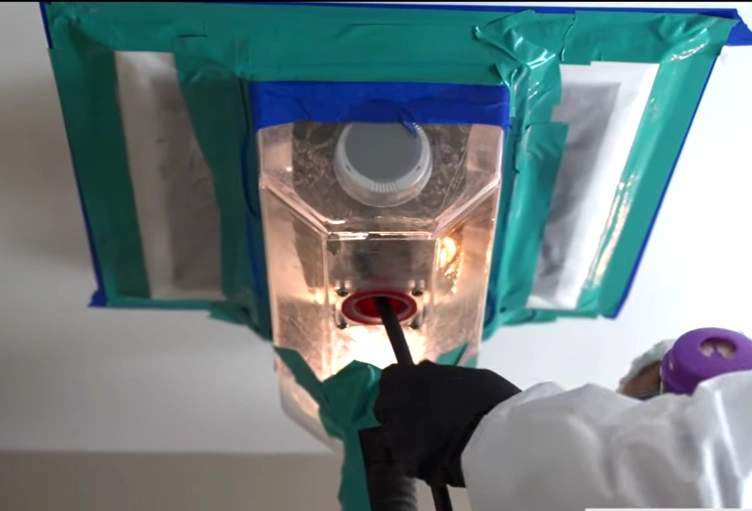
How Do You Know If There Is Mold in Your Air Ducts or Vents?
You usually notice it before you see it. The system moves air through every room, so the first clue is often a smell or a symptom, not a visible patch.
Early warning signs of mold in air vents
- A musty or earthy smell when the AC starts, or one that gets stronger when it runs
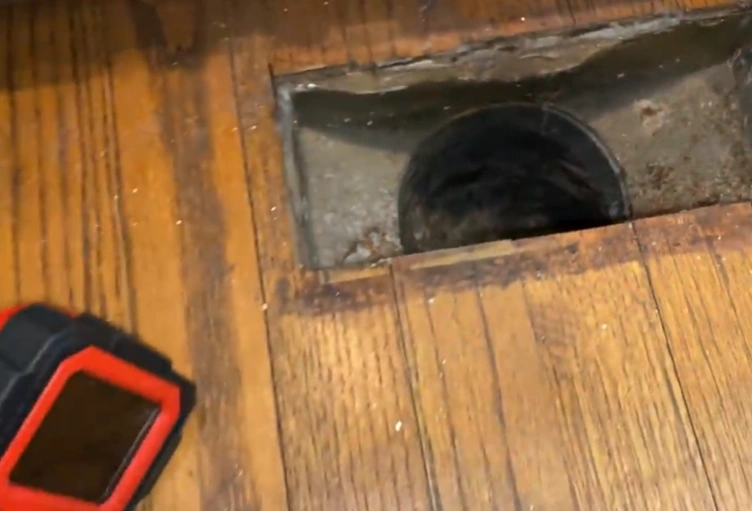
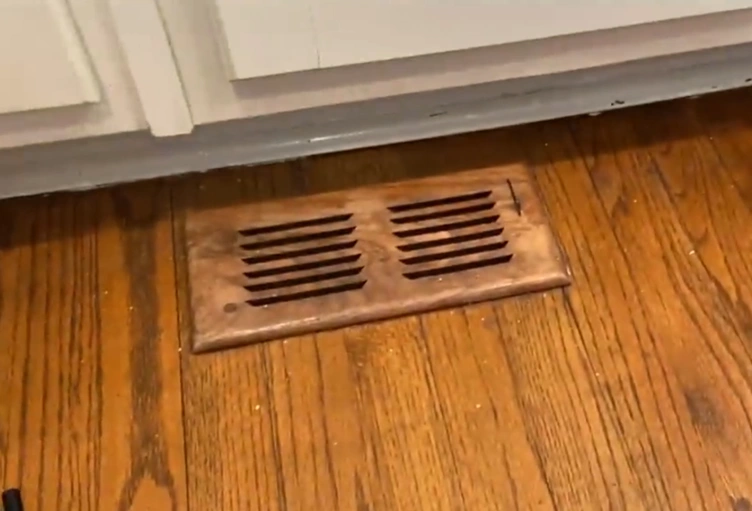
- Dark green, black or gray spotting inside registers, on vent covers or around the vent edge
- Sweating or damp ductwork, drips, or stained ceiling drywall near a vent
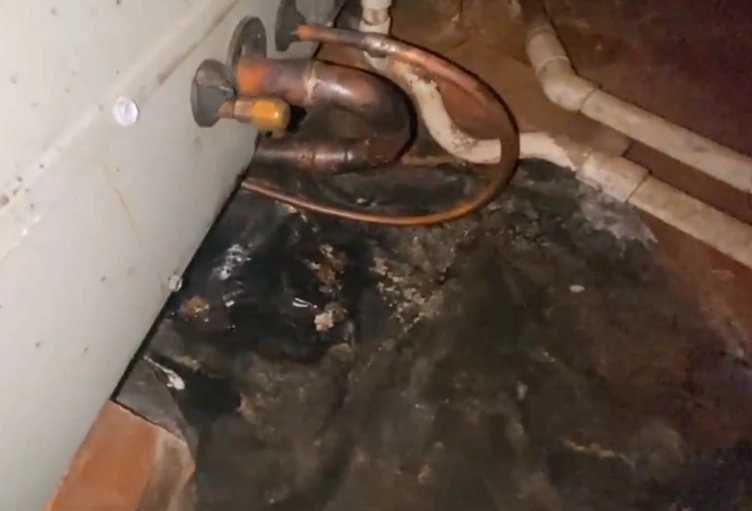
- Rusty or wet spots around the air handler, or standing water in the drain pan
- Allergy or breathing symptoms that ease when you are away from home
- Indoor humidity that stays above 50 percent
Is it really mold, or just dust?
Dark streaks around supply vents are very common and are usually dust carried by the airflow. The EPA says a positive determination of whether it is mold can be made only by an expert, sometimes with lab analysis. In an HVAC forum thread with more than 200 replies, the top answer to “my cleaner says we have mold” was simply “black microbial growth,” a reminder that not every dark patch is mold. If someone tells you that you have mold in your ducts, ask them to show you.
Is mold in air ducts harmful?
It can be. Mold can irritate the nose, eyes, throat and lungs, and it affects people with asthma, allergies and weakened immune systems most. Because the HVAC system circulates air through the whole house, growth in the system can reach every room. The EPA also states that duct cleaning has never been shown to prevent health problems, so the goal is to find and fix the moisture, not to chase spores. See mold and health effects for more.
Why Gainesville Air Conditioning Systems Grow Mold
An AC system makes cold surfaces in a very humid place. Gainesville’s wet season runs roughly June 1 to September 20, oppressive humidity lasts from early May into October, and hurricane season runs June 1 to November 30. Mold only needs moisture, a food source and time, and an HVAC system supplies all three for months.
The attic air handler and its drain line
In many Gainesville homes the air handler and ducts sit in the attic. If the condensate drain line clogs, water backs up in the pan, overflows, or keeps the coil cabinet damp. That is one of the most common causes we hear about, and it is why a routine drain line flush is one of the simplest forms of mold prevention.
Sweating ducts in a humid attic
Building Science Corporation documents that in hot-humid climates, humid attic air condenses on cold supply ducts and the air handler, and mold can grow on the porous sealant at duct joints. It describes the problem as worst in South Florida and Texas, and says radiant barriers, thicker insulation and longer AC run times make ducts colder. The same physics applies here. We cover the attic side in attic mold removal.
Flex duct and lined duct
Older homes in the Duckpond and Northeast Gainesville, and plenty of newer builds, use flexible or insulated duct. Once that material gets wet it holds moisture, and the EPA says contaminated insulated duct cannot be effectively cleaned.
Power outages, closed-up houses and empty rentals
After a storm knocks out power, a shut-up house with the AC off for days climbs in humidity quickly. The same thing happens in rentals near UF and Midtown that sit empty between tenants with the system switched off. Mold in the vents is a common result.
Dirty filters, a wet coil and a leaky return
Clogged filters, leaky ducts, poor ventilation and water damage are among the common triggers. A return duct that leaks in a hot attic pulls humid air into the system. Even a vent installed where it catches sink splashes can grow mold, as one homeowner in a home-maintenance forum found.
Can I Clean Mold From My Air Vents Myself?
Part of it, yes. The inside of the system, no. The line is simple: you can handle hard surfaces you can see and reach, and a professional handles anything that needs access, containment or tools.
| You can do this | Leave this to a professional |
|---|---|
| Remove vent covers and wash them with detergent and water, then dry completely | Anything inside the ducts, the plenum, the coil or the air handler |
| Wipe visible register surfaces and vacuum loose dust, ideally with a HEPA vacuum | Flexible, lined or insulated duct showing growth |
| Replace a dirty filter and check the drain pan for standing water | Growth on more than about 10 square feet in total |
| Wear an N95, gloves and goggles while you do it | Growth that returns after cleaning, or a source you cannot find |
What not to do
- Do not scrub inside flexible or fiberglass duct. It can tear the material and release fibers and spores.
- Do not fog, bleach or spray cleaners into the system. The EPA lists no registered biocides for fiberglass duct board or lined ducts.
- Do not run the blower to “blow it out.”
- Do not paint or seal over growth. The EPA does not routinely recommend sealants in ducts.
Should you turn off the AC if you find mold in the vents?
For a short time, yes, because it stops the blower from moving spores through the house. But in a Gainesville summer a house with no air conditioning gets humid fast, and humidity feeds mold. Do not leave the system off for days. Call an HVAC technician and get it looked at promptly.
Detergent and water, hydrogen peroxide and vinegar are often suggested for hard vent covers. They are fine for that, but they do not confirm the growth is mold and they do not reach inside lined duct. Our sources: the EPA’s air duct cleaning guidance.
Does Air Duct Cleaning Get Rid of Mold?
Sometimes, and only for the right kind of duct, and only if the moisture is fixed.
Bare sheet metal
Visible growth on hard-surface duct can be cleaned with HEPA vacuuming and brushing, followed by an antimicrobial labeled for the surface where one is appropriate.
Lined and fiberglass duct
The EPA says contaminated insulation cannot be effectively cleaned and should be removed and replaced. No registered biocides exist for these materials.
The moisture source
If the drain line, pan, leak or condensation stays, the growth returns. The EPA calls moisture control the most effective prevention in all types of duct.
A related point from the EPA is who does the cleaning. The National Air Duct Cleaners Association (NADCA) sets industry cleaning standards, and the EPA advises getting three written estimates, checking references, and being wary of sweeping health claims.
When Should Moldy Ductwork Be Replaced Instead of Cleaned?
| Duct type | Usual answer when it has mold |
|---|---|
| Bare sheet metal | Clean, then fix the moisture source |
| Fiberglass duct board or lined duct | Replace the contaminated section (EPA) |
| Flexible duct | Often replaced, since cleaning is a last resort, and an HVAC contractor should decide |
| Wet insulation around ducts | Remove and replace after drying |
Replacing a few runs of flex duct can be simpler and last longer than repeatedly cleaning them, and it removes the doubt about whether every spore is gone. After removal, the remaining surfaces are cleaned so no old growth is left behind in the plenum or cabinet. Read more about our remediation process.
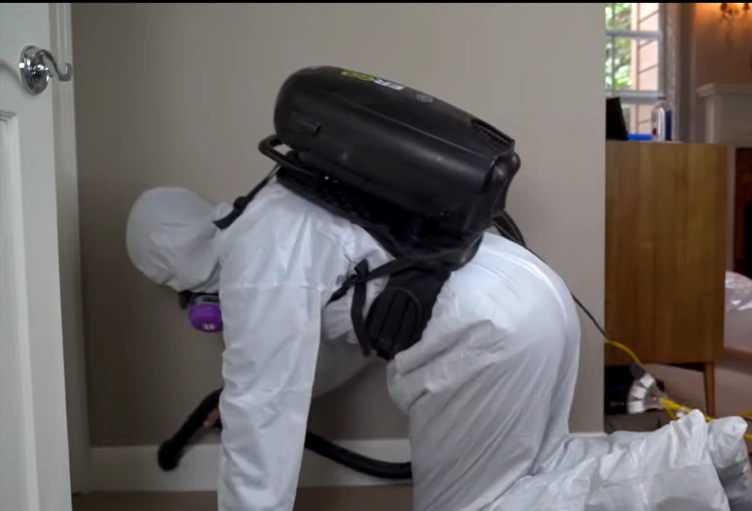
The Cheap Duct Cleaning Special That Turns Into a Mold Quote
This is one of the loudest complaints in HVAC forums. A homeowner books a very cheap duct cleaning, the technician finds “mold,” and the quote jumps sharply for a deeper treatment. One recent thread described a basic special turning into a much larger remediation job with a six-hour visit. Some of those findings are real. Many are not. Here is how to protect yourself:
- Ask to see it. A legitimate finding comes with photos or video of the growth in your system.
- Ask what it is. The EPA says only an expert, sometimes with lab analysis, can confirm mold. Dust and debris are far more common.
- Get the scope in writing, including what will be cleaned, what will be replaced and what moisture issue will be fixed.
- Get more than one estimate. The EPA recommends three written estimates.
- Be wary of health scare language. The EPA advises avoiding sweeping health claims.
- Check licensing. A company selling “mold remediation” of more than 10 contiguous square feet needs a Florida Mold Remediator license. Look it up on the DBPR mold lookup.
HVAC Contractor, Duct Cleaner or Mold Remediator: Who Do You Call?
These are three different jobs, and the wrong call costs money. Many real jobs need two of them.
| Who | What they actually do | Call them when |
|---|---|---|
| HVAC contractor | Fixes the equipment, drain line, pan, leaks, duct sealing and insulation, and replaces duct | Water, a smell near the air handler, or ducts that need replacing |
| Duct cleaner | Removes dust and debris from ducts and components, following NADCA standards | Heavy dust, debris or vermin, with no confirmed mold |
| Licensed mold remediator | Contains the area, removes and treats mold, and fixes the contaminated materials | Confirmed mold, over about 10 contiguous square feet, or spreading beyond the system |
| Licensed mold assessor | Independent testing, a written protocol and clearance after the work | You need confirmation, or you want verification after remediation |
How Professional HVAC and Duct Mold Remediation Works
The aim is to remove the growth, protect the rest of the house and stop the water, in that order.
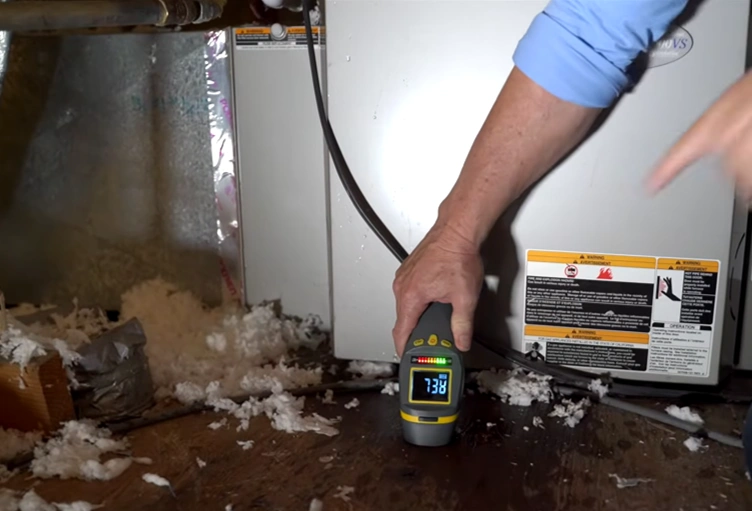
Air handler, coil, drain pan, plenum, return, supply runs and attic ductwork are checked, along with humidity and any leaks.
Where there is doubt, sampling by a licensed assessor confirms whether it is mold before a scope is written.
Registers are sealed, the work area is isolated, and negative air with HEPA filtration keeps spores out of living spaces.
Contaminated lined duct, flex duct and wet insulation are cut out and bagged. Porous material is replaced, not cleaned.
Sheet metal, the plenum and the cabinet are HEPA vacuumed and brushed, with antimicrobial applied only where the label allows.
Drain line, pan, leaks, duct sealing, insulation and humidity control are corrected so the growth does not return.
Everything is dried, and on larger jobs an independent assessor confirms the result before new duct or insulation goes in.
How Much Does It Cost to Remove Mold From an HVAC System in Gainesville?
HVAC mold work is among the larger jobs because the system has to be opened up, contained and checked end to end. A provider needs to inspect the system before setting a price.
| What changes the job | Why it matters |
|---|---|
| How much duct is affected | Cleaning a plenum is a different job from replacing multiple runs |
| Duct type | Lined and flex duct is usually replaced, not cleaned |
| Access | Tight attic runs and a crawlspace air handler take more labor |
| Fixing the cause | Drain line, pan, leak or insulation repair is often a separate line |
| Verification | Independent assessment is a separate service |
A very cheap duct cleaning special covers dust removal, not mold remediation, and the two should be described separately. Ask for a clear written scope. Mold from long-term condensation is usually not covered by homeowners insurance, while mold from a sudden covered event may be, and in Florida a new property claim generally must be reported within one year of the date of loss (Florida Statute 627.70132).
Common Air Duct and HVAC Mold Situations Around Gainesville
These are typical patterns, not specific past customers.
The cheap special that became a mold quote
The technician cannot show proof, and the price keeps rising. Ask to see it and get a second opinion.
The attic air handler with a clogged drain
Water in the pan, a damp cabinet and a musty smell that follows the AC. The line needs clearing and the area checked.
The older home with original flex duct
Years of humid attic air, wet insulation and dark spotting at the registers. Replacement beats repeated cleaning.
The post-storm shut-up house
Power was out for days, the AC sat off, and now the vents smell. Humidity has to be brought down first.
The rental between tenants
A vacant unit with the AC off for weeks grows mold in the vents. Keep the system running at a moderate setting.
The vent in the wrong place
A register that catches sink splashes or sits in a damp spot grows mold on the cover and duct opening.
Air Duct and HVAC Mold Help Across Gainesville, FL
We cover homes and rentals from Midtown and the UF area to Haile Plantation, Tioga, the Duckpond, Millhopper and Kanapaha, and out to the smaller towns around the county.
Gainesville ZIP codes
- 32601
- 32603
- 32605
- 32606
- 32607
- 32608
- 32609
- 32641
Nearby communities
Related pages: water damage restoration, black mold removal, emergency mold removal and our Gainesville mold removal resources.
How to Hire Someone for Duct and HVAC Mold Without Getting Burned
- Verify the license yourself. Check mold work on the Florida DBPR mold lookup, and check HVAC contractors separately.
- Ask for proof. Photos or video of growth in your system, not just a verbal finding.
- Ask about the moisture fix. Cleaning without fixing the source is a repeat job.
- Ask about duct replacement. A contractor who never mentions replacing lined or flex duct may be cleaning what should be replaced.
- Get containment and HEPA filtration in writing for anything beyond a basic cleaning.
- Take your time. Anyone pushing you to sign today is selling urgency.
How to Prevent Mold in Your Air Ducts in a Florida Home
- Hold indoor humidity between 30 and 50 percent. In our climate that can mean a whole-home dehumidifier, not a small portable one.
- Keep the condensate drain line clear. Ask your HVAC contractor about flushing it on a schedule.
- Change filters regularly, often every 1 to 3 months. Ask your technician what filter rating your system can handle without restricting airflow.
- Have the system serviced yearly, including the coil, pan and drain line.
- Seal and insulate ducts in the attic, and fix leaky returns.
- Do not shut the AC off for long stretches, including in vacant rentals and while you travel in summer.
- Dry things out after storms and have the system checked before you assume it is clean.
More in our mold prevention tips for Gainesville homes.
Mold in Air Ducts and HVAC Systems: Your Questions Answered
Will air duct cleaning get rid of mold?
Only sometimes. The EPA says visible mold on hard-surface ducts warrants cleaning, but wet or moldy insulated or fiberglass-lined duct cannot be effectively cleaned and should be replaced. Cleaning also fails to last if the moisture source, such as a clogged drain line or sweating duct, is not fixed.
Is mold in air ducts harmful?
It can be, mainly for people with asthma, allergies or weakened immune systems, because the system moves air through the whole house. The EPA also notes duct cleaning has never been shown to prevent health problems, so the priority is confirming what it is and fixing the moisture, not panic.
What are the early warning signs of black mold in air vents?
Look for a musty smell when the AC starts, dark green, black or gray spotting inside registers, damp or sweating ducts, and symptoms that ease when you leave home. Dark dust streaks around supply vents are very common and are not mold, so have it confirmed.
How much does it cost to remove mold from an HVAC system?
Cost depends on the system, access and how much duct has to be cleaned or replaced. A very cheap duct cleaning special is a different service. Ask for a clear written scope that separates cleaning, remediation and any duct replacement.
Can I clean mold from my air vents myself?
You can wash hard vent covers and wipe visible register surfaces with detergent and water while wearing an N95, gloves and goggles. Do not scrub, fog or spray inside the ducts. Flexible and insulated duct can tear, and mold inside the system calls for a professional.
Should I turn off my AC if I find mold in the vents?
Briefly, it keeps the blower from moving spores around. But a Gainesville house with no air conditioning gets humid fast, which feeds mold. Do not leave the system off for days. Have an HVAC technician look at it promptly.
Does vinegar or hydrogen peroxide kill mold in air ducts?
They are sometimes used on hard vent covers, but they do not confirm that growth is mold and do not reach inside lined or flexible duct. The EPA lists no registered biocides for fiberglass duct board or lined ducts. Do not spray cleaners into the system.
Is a very cheap duct cleaning special legitimate?
Some are, for basic dust removal. The problem is the upsell: homeowners describe cheap specials turning into much larger mold proposals with little proof. Ask the technician to show photos or video of the growth, request a written scope, and get more than one estimate.
Who should I call for mold in my ductwork: an HVAC company, a duct cleaner or a mold remediator?
An HVAC contractor fixes the equipment, drain line and ducts, a duct cleaner removes dust and debris, and a licensed mold remediator handles confirmed mold over 10 contiguous square feet. Many jobs involve more than one. Verify each license before work starts.
Do I need a license to remove mold from HVAC ducts in Florida?
Florida regulates mold work under Chapter 468, Part XVI, and remediation over 10 contiguous square feet requires a licensed Mold Remediator. Air conditioning contractors are licensed separately. You can verify mold licenses on the DBPR mold lookup.
Will homeowners insurance cover mold in my HVAC system?
Sometimes. Mold from a sudden, covered water event is more likely to be covered, while long-term condensation or maintenance problems usually are not, and many policies cap mold coverage. In Florida, a new claim generally must be reported within one year of the date of loss.
How often should air ducts be cleaned?
The EPA does not recommend routine duct cleaning. It suggests cleaning when there is substantial visible mold, vermin, or heavy debris, and keeping moisture under control. Some vendors suggest every few years, which is a sales guideline, not a requirement.
Think Your AC System Has a Mold Problem?
Tell us what you are seeing, where it is and whether you have had a leak, a clogged drain or a recent storm. A short call is usually enough to tell you whether this is a duct cleaning, an HVAC repair or something that needs containment, and what to do before anyone comes out.
Sources and further reading
- U.S. EPA: Should You Have the Air Ducts in Your Home Cleaned?
- Building Science Corporation: Duct sweating and mold in hot-humid climates
- CDC: Cleaning Up Mold
- Florida DBPR: Mold-Related Services
- Fla. Stat. 468.8419 and Fla. Stat. 627.70132
This page is general information, not legal, medical or insurance advice.