
Mold Prevention Tips for Gainesville, FL: How to Keep a Humid North Florida Home Mold Free
Let’s be straight with you. If you own or rent a home in Gainesville, there are mold spores in it right now. There are in every house, and the EPA says there is no practical way to get rid of all of them. The good news is that spores are harmless until they land on something wet and stay there. So the whole game is moisture. Most of the mold jobs we hear about start with something boring and fixable: a clogged AC drain line, a bathroom fan that dumps into the attic, a wet rug that sat over a weekend. Here is where to look, what to do and when to stop and call someone.
- Humidity under 60%
- Dry wet stuff in 24 to 48 hours
- Keep the AC drain clear
- Fix the water first
Checked against EPA and Florida Department of Health guidance, October 2026.
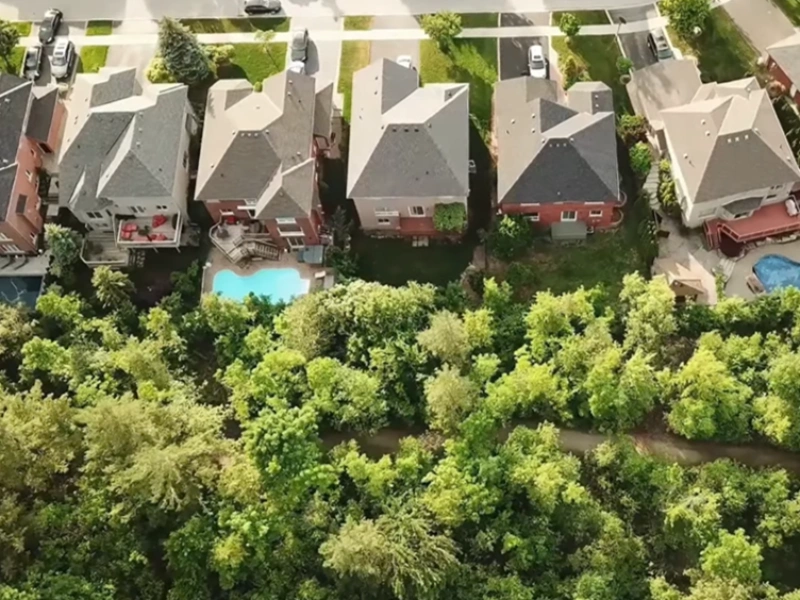
How Do You Prevent Mold in a Gainesville Home?
Keep indoor humidity under 60% (the EPA calls 30 to 50% ideal), keep the AC running and serviced, send bathroom, dryer and cooking moisture outdoors, and dry anything that gets wet within 24 to 48 hours. Mold needs water. Take the water away and you take away the mold.
Measure
A simple hygrometer in the bathroom, bedroom and closet tells you the truth.
Cool and dry
Healthy AC, clear drain line, fresh filter. Add a dehumidifier if the air stays sticky.
Vent it out
Fans, dryer and range hood exhaust to the outdoors, not into the attic.
Dry fast
Leaks, spills and storm water get a 24 hour target. Start the minute you see it.
Why Does Mold Grow So Easily in Gainesville?
We live in a warm, humid subtropical climate. Long wet summers, near daily afternoon storms and a hurricane season that runs June 1 to November 30 keep the outdoor air loaded with moisture for months. A lot of buyers and owners hear “mold” and think the house is ruined. It usually isn’t. In Florida, some mold is simply part of owning a home, and the job is managing it.
Here is the part most guides skip: it is not only about temperature, it is about the dew point. When outdoor air is very moist, any surface cooler than that air collects water. That is why a nicely air conditioned room can still grow mold on a supply vent, an outside wall corner or the back of a closet.
How a cold, dry looking house still grows mold
Wet outdoor air gets in
Through leaks around windows, doors, ducts and the attic.
It meets a cold surface
A supply vent, cooling coil, duct or exterior wall corner.
Water forms
Condensation appears on that surface, often where you never look.
Mold gets a foothold
Within 24 to 48 hours of staying damp, growth can start.
What do Gainesville homeowners run into most often?
| Problem | Why it happens here | Early sign | Fix |
|---|---|---|---|
| Clogged AC drain line | Warm, wet months feed slime and algae in the line | Water near the air handler, musty smell | HVAC tech clears the line, checks the pan |
| Oversized AC | Cools fast, shuts off, leaves air sticky | Cold but clammy rooms | Ask for a load check and use a dehumidifier |
| Air handler in garage or attic | Hot, humid spaces make the unit sweat | Damp insulation, rust, stains | Insulate, seal, clear the pan |
| Fan venting into the attic | Shower steam ends up on the roof decking | Dark decking, wet insulation | Duct it outside |
| Closed up rental or second home | AC turned way up, house sits for weeks | Musty air on return | Keep AC on at a few degrees higher, have someone check |
| Hidden storm or roof leak | Wind driven rain finds a weak spot | Ceiling stain, bubbling paint | Repair roof, dry wall cavity, replace soaked insulation |
| Wet roof edges and gutters | Shade from live oaks and leaf buildup slow drying | Overflowing gutters, damp fascia | Clean gutters, trim back limbs |
What Indoor Humidity Should You Aim For in Florida?
The EPA says to keep indoor humidity below 60 percent, with 30 to 50 percent ideal. In a Gainesville July, 50 is a stretch without help, and plenty of people live in the 50s. That is fine as long as you are watching it and not creeping past 60. One thing we saw repeated online: some local sites say the EPA recommends 45 to 55 percent. We could not find that in EPA guidance, so we stick with the published numbers.
Your humidity meter
Zones follow the EPA guidance of staying below 60% with 30 to 50% ideal. The lowest and highest ends of the scale are for illustration.
| Reading | What it means | What to do |
|---|---|---|
| 30 to 50% | EPA ideal range | Keep doing what you are doing |
| 50 to 60% | Acceptable, little room for error in summer | Check fans and AC, consider a dehumidifier |
| Above 60% | Mold friendly conditions | Find the moisture source, dehumidify, ventilate |
| Dripping glass or pipes | EPA lists this as a sign of excess moisture | Look at that spot first |
How do you measure humidity at home?
Buy a simple digital hygrometer and put one in the main living area, one in the stuffiest bedroom and one in a bathroom or laundry room. Read them at the same time every day for a week. A spike after a shower is normal. A room that sits over 60 all day is telling you something.
Can you have mold even if the humidity looks fine?
Yes. The reading is an average of the room. Mold grows where it is locally wet: behind the fridge, under a sink, inside an exterior wall, along a window. A good number on the meter does not cancel a slow leak.
Does Your AC Cause Mold, and How Do You Stop It Before It Starts?
Your AC is the best mold fighter in the house and, when it is ignored, the most common place it starts. Those cold coils pull gallons of water out of the air. All of it has to leave through the condensate line. When that line clogs, the pan fills, the closet around the air handler stays wet and the insulation starts growing things. Florida HVAC techs commonly recommend a service visit twice a year, and in this climate that is good advice. Think of it as the cheapest mold insurance you can buy.
If you spot mold on or near your AC, don’t panic. A sweating, dirty AC is a very different problem from a roof leak soaking a wall. It is usually cleanable, as long as you fix the moisture that caused it.
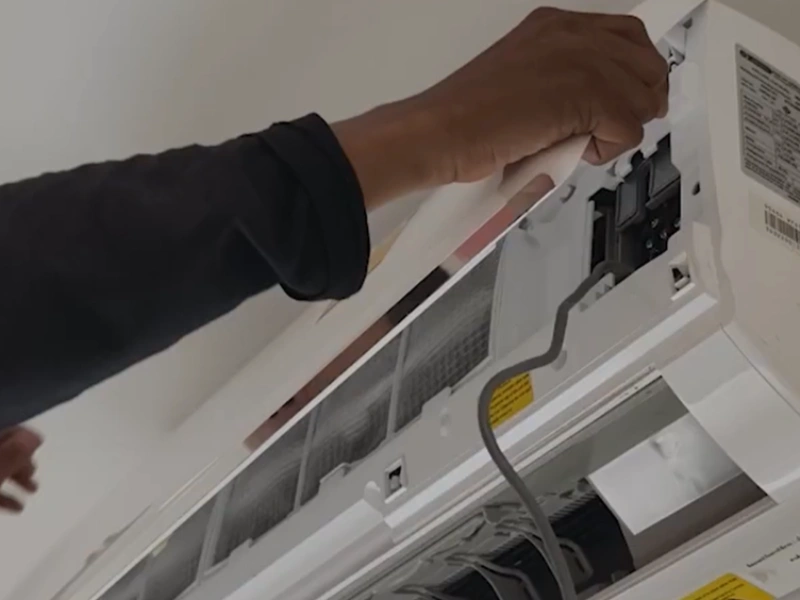
A pre-summer tune-up is far easier than replacing wet drywall.
Where your AC’s water goes, and where it fails
Cooling coil
Pulls water out of the air as it cools it.
Drain pan
Catches the water. Look for standing water, rust or slime.
Condensate line
Most common clog point. When it backs up, the pan overflows.
Outside
Water should drip or drain away from the house.
What should you check on your own AC?
| What you notice | Likely cause | What to do |
|---|---|---|
| Water near the air handler | Clogged drain line or full pan | Turn the system off and call your HVAC company |
| Vent or register sweating | Dirty filter, leaky or uninsulated duct, short cycling | Replace the filter, then ask an HVAC tech to check ducts |
| Musty smell when the AC starts | Moisture or growth on the coil, pan or ducts | HVAC tech first. If mold is in the ducts, see our air duct and HVAC guide |
| House cold but sticky | Oversized or short cycling system, air leaks | Ask for a load check, add a dehumidifier |
| Damp insulation or rust in the closet | Leaks or sweating at the air handler | Dry it, replace wet insulation, fix the source |
Should you turn the AC off when you leave town?
Not in a Gainesville summer. A closed house with no cooling and no dehumidification climbs toward outdoor humidity fast. If you are traveling, raise the thermostat a few degrees instead of shutting it off, leave the fan on auto and have someone look in, especially after a storm. This matters for snowbirds, second homes and student rentals that sit empty between semesters.
Can a UV light in the AC help?
Some homeowners add a UV light near the coil to slow growth on the coil surface. It can help as an extra. It does not replace a clean drain line, a fresh filter or humidity control, and results depend on the install. Ask your HVAC tech what suits your system.
Which Rooms in Your Home Need Mold Prevention First?
Start where water is made, used or trapped. This walk through takes about half an hour and you only need a flashlight.
Bathrooms
Run the fan during the shower and until the mirror clears. Make sure it vents outside. Squeegee the glass and fix cracked caulk.
Check: monthlyKitchen
Use the range hood when you boil or fry. Look under the sink and behind the fridge ice line.
Check: every 3 monthsLaundry room
Dryer vent straight outside, not crushed behind the machine. Replace old washer hoses.
Check: every 3 monthsAir handler closet
Look for damp insulation, rust, and a musty smell. Keep boxes away from the unit.
Check: monthly in summerAttic
Look for stained decking, wet insulation, blocked soffit vents. See attic mold removal.
Check: twice a year and after stormsClosets and storage
Leave gaps from exterior walls. Do not pack them tight. Watch shoes, leather and stored fabric.
Check: monthly in summerWindows
Condensation on glass or sills means moisture is high. Wipe it and find out why.
Check: weekly in summerCrawl space
Common in older neighborhoods. Look for bare soil, damp insulation, musty air. See crawl space mold removal.
Check: twice a yearHow long should a bathroom fan run after a shower?
There is no magic number. Sources suggest anywhere from 5 to 20 minutes, and in a Gainesville summer the longer end is safer. The simplest rule is to leave it on until the mirror clears and the room no longer feels wet. A timer switch makes that automatic. If the fan can barely hold a tissue to the grille, it is not moving enough air.
Where should the exhaust fan vent to?
Outside. A fan that dumps steam into the attic just moves the problem upstairs onto the decking and insulation. The EPA also says to vent the dryer and other moisture producing appliances to the outdoors.
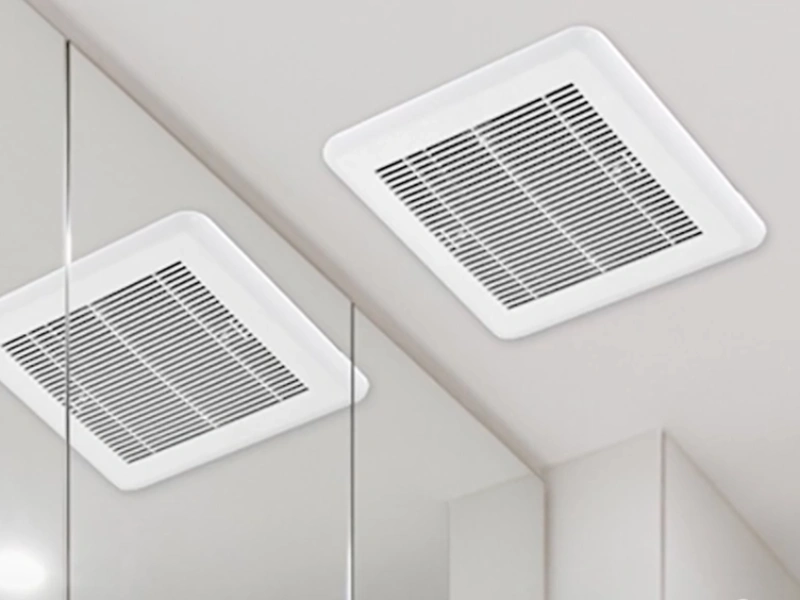
An outdoor-vented fan is the simplest mold prevention in the house.
How Fast Do You Need to Dry a Leak, Spill or Wet Carpet?
Within 24 to 48 hours. The EPA and the University of Florida both give that window for wet building materials and furnishings, and the Florida Department of Health notes that water standing even 24 hours can let common household molds take hold. In Gainesville air, treat 24 hours as the real target.
The 48 hour clock
Based on the EPA and UF guidance to dry wet materials within 24 to 48 hours. Bar widths are illustrative.
What do you do in the first hour after a leak?
- Stop the water at the source: the valve, the main or the appliance.
- Remove standing water and pull up rugs and cushions.
- Open and empty affected cabinets. Leave a gap between furniture and walls so air gets behind.
- Run fans and a dehumidifier, and keep the AC on.
- Photograph everything before you change it, for insurance.
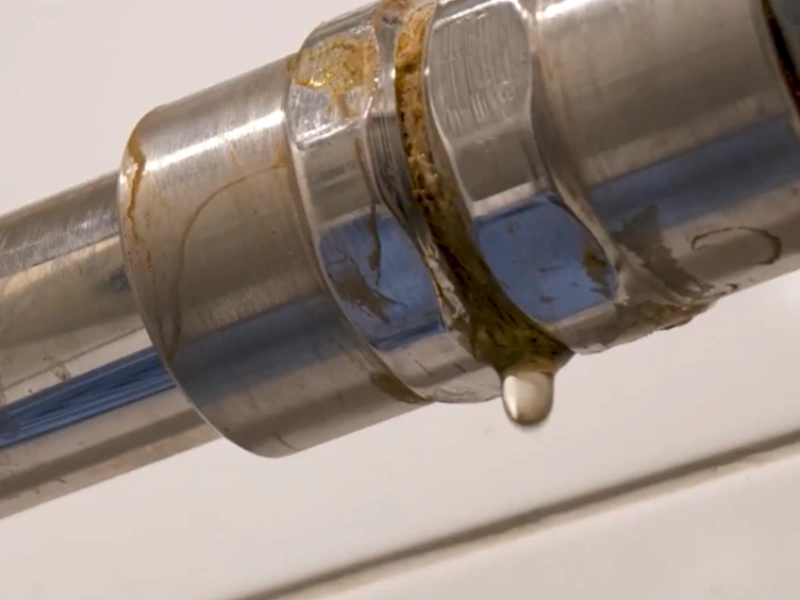
Slow leaks under sinks and inside walls are a top cause of hidden mold.
Can you save wet carpet, drywall and insulation?
| Material | If it dried fast with clean water | If it stayed wet or the water was dirty |
|---|---|---|
| Tile, glass, metal, sealed concrete | Usually fine Clean and dry | Clean and disinfect |
| Solid wood furniture and trim | Often saved Dry it well | Check for growth |
| Carpet | Maybe Needs fast, thorough drying | Usually replace |
| Carpet pad | Often replaced | Replace |
| Drywall | Maybe If caught right away | Often cut out and replaced |
| Insulation | Maybe | Often replaced |
Water that came from a toilet, sewer line or storm flooding is not clean water, and that is a job for professionals. If you are unsure, call us and we will help you decide what to check before you tear anything out. For bigger losses read about water damage restoration in Gainesville and our emergency mold response.
What if the leak is inside the wall and you cannot see it?
Clues include a musty smell with no visible mold, paint that bubbles, baseboards that swell, a wall that feels warm or cold in one spot and a water bill that creeps up. A moisture meter or thermal camera can find wet material without opening everything.
How Do You Prevent Mold Before and After a Hurricane or Storm?
Hurricane season runs June 1 through November 30, and even a normal summer thunderstorm can push water past a weak roof edge, window or door seal.
| Before storm season | After the storm |
|---|---|
| Have the roof, flashing and attic checked | Photograph the damage, then start drying right away. The 24 to 48 hour clock starts when materials get wet, not when the power comes back |
| Clean gutters and aim downspouts away from the house | If the power is out, open windows only when the outdoor air is drier than indoors |
| Service the AC and clear the condensate line | Remove wet carpet, padding, soaked insulation and drywall |
| Check window and door seals and caulk | Check ceilings, closets and the attic for new stains |
| Know where your main water shutoff is | If you have an insurance claim, Florida law generally gives you one year to give notice of a new or reopened claim |
Do You Need a Dehumidifier in Gainesville, and Where Should It Go?
For a lot of Gainesville homes the answer is yes, at least from late spring through early fall. The AC dries the air only while it is running, and an oversized or short cycling system can cool without drying. A portable dehumidifier fills that gap.
| Question | Practical answer |
|---|---|
| What size? | Household units are often rated around 30 to 50 pints a day |
| What does it cost? | Prices vary by brand and capacity, so compare current retail listings |
| Where do I put it? | Near the air handler closet so drier air moves through the house, or in your stuffiest room |
| How do I empty it? | Dump the bucket daily, or use the hose option to a sink or floor drain |
| When do I need a whole house unit? | If you stay above 55 to 60 percent even with a portable running, ask an HVAC contractor about one tied into the system |
| Do hanging moisture absorbers work? | They help in a closet or under a sink and need regular replacing. They do not control a whole house |
Should you use a humidifier in Florida?
No. A humidifier adds water to the air. If you want less humidity you want a dehumidifier. The mix up shows up in a lot of online advice, so it is worth saying out loud.
Is It Mold or Mildew, and Is Black Mold Always Dangerous?
Mold and mildew look alike and respond to the same cure: remove the moisture. Color does not tell you how risky a growth is. Green, gray, white and black growths all turn up in Florida homes, and the Florida Department of Health says all indoor mold growth should be removed promptly. A common mistake is panicking at black spots and ignoring green ones. Both deserve a look at the cause.
Read more in our guides to mold vs mildew, Cladosporium, Aspergillus and black mold.
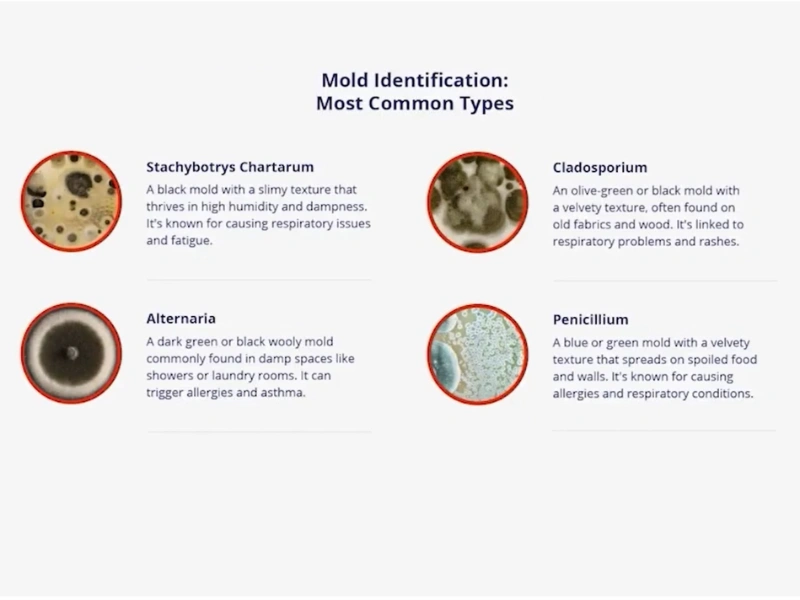
Mold types differ in color and texture. All of them point to moisture.
Does finding mold in a home inspection mean the house is a disaster?
Usually no, and this is the myth we hear most from buyers. Don’t panic. Ask three questions: what is it, how big is the area and where is the water coming from? A sweating AC component that can be cleaned is a very different story from a roof leak inside a wall. If it is small and has a known cause, it is manageable. If it is spread through the house or keeps returning, get a professional assessment before you close.
| Myth | What is actually true |
|---|---|
| “All mold is dangerous” | Risk depends on the amount, the location and who lives there. Small spots on hard surfaces can be cleaned |
| “Black mold is always the deadly kind” | Color alone does not identify a species. Treat all growth the same: find the water, clean or remove it |
| “Any mold in the house is a disaster” | Assess the size, the type and the cause before you decide anything |
| “If I can’t see it, it isn’t there” | A musty smell with no visible growth often means hidden moisture |
Can You Clean Small Mold Yourself, or Should You Call a Pro?
The EPA says homeowners can generally handle areas smaller than about 10 square feet on hard, nonporous surfaces. Fix the water source first or you will be back in a month. Wear gloves, goggles and an N95 respirator. Scrub with detergent and water and dry the surface completely. Never mix chemicals and don’t use bleach on porous surfaces. Bag moldy porous material such as ceiling tile or carpet and don’t try to save it.
Can you use mold resistant primer or paint?
Yes, but only on a surface that is clean, bone dry and no longer fed by a leak. Mold resistant products make a surface harder to colonize. They do not fix wet drywall or a humid room.
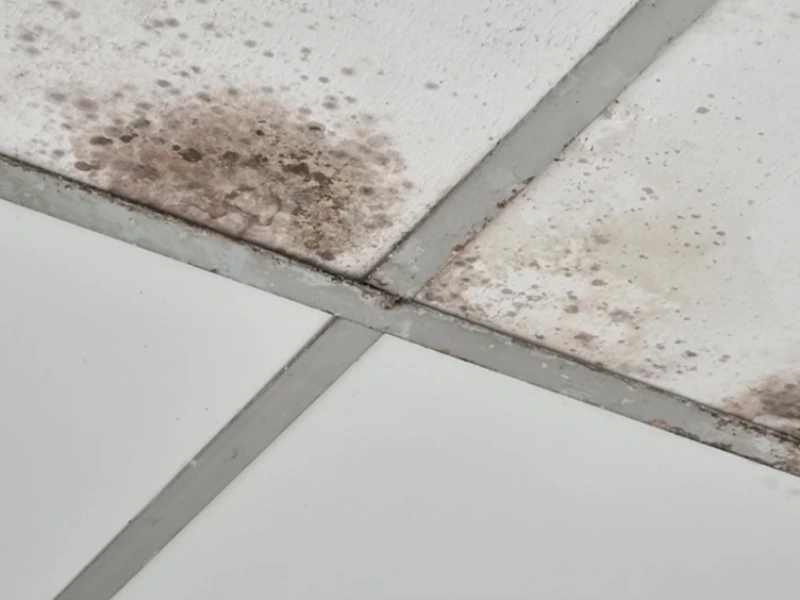
Small hard surface spots are the only DIY job we would call reasonable.
Probably fine to handle yourself
- Under about 10 square feet
- Hard surface like tile, glass or sealed wood
- You know the cause and it is fixed
- No one in the home is sensitive or ill
Time to call for help
- More than about 10 square feet, or spreading
- Coming back within weeks of cleaning
- Musty smell with no visible source
- Sewage, flood or water left over 48 hours
- Inside the AC, ducts, attic or wall cavities
When does prevention stop and mold removal start?
Prevention covers dry, healthy homes. Once mold is established, the job changes from housekeeping to containment, removal and drying. Florida law (Fla. Stat. 468.8419) requires a licensed professional for mold remediation work on more than 10 contiguous square feet, and requires separate parties for assessment and remediation. Our mold remediation process page explains how a proper job is contained, cleaned and dried, and our encapsulation page covers when a sealant has a place.
Do you need a mold test, or just a fix?
Most of the time you need to find and fix the moisture, not run a lab test. Testing makes sense when people are sick and nothing is visible, or when you need documentation for a sale, a lease dispute or an insurance claim.
Renting in Gainesville: Who Is Responsible for Preventing Mold?
This is one of the most asked questions on Reddit and Quora, and it matters in a college town with a lot of rentals. Responsibility is usually shared and the facts decide it. This is general information, not legal advice.
| Situation | Tenant’s part | Landlord’s part |
|---|---|---|
| Everyday moisture | Use fans, wipe up spills, keep the AC running in summer | Provide working ventilation and AC |
| Leak or roof problem | Report it in writing with photos and dates | Repair it. Florida Statute 83.51 requires landlords to maintain structural components and plumbing |
| AC not working or sweating | Report right away and keep records | Repair or replace as the lease and law require |
| Visible mold | Photograph it, notify in writing, do not scrub away the evidence | Fix the cause and have the area properly cleaned |
| Subsidized housing | Ask your housing authority about its complaint process | Follow program rules |
Is HUD responsible for mold in my apartment?
Generally the party you deal with is your landlord or property manager. For subsidized housing, ask your housing authority about its process. Local code enforcement can be contacted if repairs are ignored. Florida has no statute written only for mold in rentals, so the question usually becomes whether a repair problem like a roof leak, failed AC or plumbing leak caused it.
What about UF dorms and student rentals?
Report leaks, a weak AC or musty smells to housing or maintenance right away, and keep the AC on. Wet laundry and damp towels drying in a small room add a surprising amount of moisture.
Can You Live in Gainesville With Mold Allergies?
A thread on the Gainesville subreddit asks whether someone with serious mold allergies should just leave the area. Most people don’t need to. Triggers come from indoor moisture, dust mites and stale air, and a home with controlled humidity, a clean filter and quick leak repair is a very different place from a damp one. Talk to your doctor about symptoms, and read our guide on mold allergies and health effects. If you react badly in one room or one building only, that is a clue worth following.
What Does a Year of Mold Prevention Look Like in Gainesville?
Planning view of risk by month
This is our planning view based on the summer wet season and the June 1 to November 30 hurricane season. It is not a measured mold index.
| When | What to do |
|---|---|
| Every week in summer | Read the hygrometers, empty the dehumidifier, glance under sinks |
| Every month | Check the AC filter and drain pan, test the bathroom fan |
| Spring, before wet season | AC tune-up and drain line flush, roof and gutter check, re-caulk tubs and windows |
| June 1 to November 30 | Storm plan, know the water shutoff, dry anything wet within 24 hours |
| Fall | Second AC check, attic and crawl space look, clean the dryer vent |
| Winter | Check closets and exterior walls for damp spots, keep vents unblocked |
What Mold Prevention Advice Should You Ignore?
| You will hear | Why it falls short | Do this instead |
|---|---|---|
| “Just spray bleach” | Does not fix the water problem. The EPA does not recommend routine biocide use, and it works poorly on porous materials | Fix the moisture, clean hard surfaces with detergent and water |
| “Paint over it” | Mold keeps growing underneath and the stain returns | Clean or remove it first, dry fully, then prime and paint |
| “Fog it with a spray” | Fogging does not remove contaminated material or fix moisture | Find and fix the source |
| “Use a humidifier” | Adds water to the air | Use a dehumidifier |
| “Turn off the AC to save money” | A closed, uncooled house gets damp fast in summer | Raise the thermostat a few degrees only |
| “One plant cleans the air” | No plant is a mold control plan | Control humidity and leaks |
Which Gainesville Neighborhoods Have Different Mold Risks?
The same rules apply across the city, but different parts of town have different weak spots. The examples below are planning scenarios, not claimed jobs.
| Area | Typical housing | Watch for | Prevention move |
|---|---|---|---|
| Duckpond and older central streets | Older homes, some crawl spaces and original ductwork | Crawl space dampness, duct sweating, old bathrooms | Check under the house, insulate and seal ducts |
| Haile Plantation and newer southwest homes | Slab homes with large AC systems | Short cycling, attic duct insulation, sprinkler spray on walls | Load check on the AC, adjust sprinklers |
| UF campus, Archer Road and Newberry Road rentals | Apartments, duplexes and shared houses with heavy turnover | Forgotten leaks, closed up rooms, window AC units | Report problems in writing, keep the AC running |
| Homes near Paynes Prairie and other low spots | Mixed ages, some on lower ground | Higher ground moisture, drainage problems | Grade and gutters, check crawl spaces |
Which ZIP codes do we cover?
- 32601
- 32603
- 32605
- 32606
- 32607
- 32608
- 32609
- 32641
Nearby communities
Why Do Gainesville Homeowners Call Gainesville Mold Rescue?
Straight talk first. We will tell you if it is a small fix you can do yourself, and what the next step looks like if it is not. Call (352) 450-4030 or send photos and we will point you the right way.
Seeing Mold, a Musty Smell or a Wet Spot You Cannot Explain?
Call Gainesville Mold Rescue. Tell us where, how long and what the humidity looks like, and we will tell you what to do next. Photos of the area and the AC closet help.
Mold Prevention in Gainesville: Frequently Asked Questions
Is Florida a high mold state?
Florida has warm, humid conditions for much of the year, and that favors mold growth indoors when moisture is not controlled. The fix is the same anywhere: control humidity, repair leaks and dry wet materials within 24 to 48 hours.
What time of year is worst for mold in Gainesville?
The humid months, roughly late spring through early fall, are the busiest, and the weeks after any storm or leak are high risk in any month. Hurricane season runs June 1 through November 30.
What kills mold permanently in the house naturally?
Nothing kills mold permanently, because spores return whenever moisture does. Fix the water problem first. For a small spot on a hard, nonporous surface, detergent and water works, and some people use white vinegar or hydrogen peroxide. The EPA does not recommend routine use of bleach or other biocides.
Do houseplants remove airborne mold?
Not in any way you can rely on. Claims that a plant removes a large percentage of airborne mold are no substitute for humidity control, and wet potting soil can add moisture. Put that effort into the AC, fans and leaks.
What humidity level prevents mold?
The EPA advises keeping indoor humidity below 60 percent, with 30 to 50 percent ideal. In a Gainesville summer, aim for around 50 percent and treat 60 as the ceiling.
Is it mold or mildew?
You cannot tell reliably by color or by looking. Both are moisture problems and both should be cleaned with the cause fixed. The Florida Department of Health says all indoor mold growth should be removed promptly, whatever the type.
Is black mold always dangerous?
Color alone does not tell you how risky a growth is. Black growth is common and is not always the infamous species. The same rule applies to all of it: find the water, dry it, clean or remove it, and get help if the area is large or keeps coming back. If someone in the home has asthma or allergies, talk to a doctor about symptoms.
Does mold in a home inspection mean I should walk away?
Not automatically. Ask what it is, how large the area is and what is causing it. A small area with a known, fixable cause is manageable. Widespread growth or a hidden roof or plumbing leak deserves a professional assessment before you close.
Should I turn off the AC when I am away?
Not in summer. Raise the thermostat a few degrees instead, keep the fan on auto and have someone check the house, particularly after storms. A closed, uncooled house gets damp quickly in Gainesville.
How long can a Gainesville house sit closed before mold grows?
There is no fixed number, because it depends on humidity, whether the AC is running and whether anything got wet. Wet materials can support growth within 24 to 48 hours, so a closed, uncooled house in summer is a real risk. Keep the AC on and have someone check in.
Can a dehumidifier alone stop mold?
It helps a lot, but it does not fix a leak, a clogged condensate line or a wet wall. Use it with AC maintenance, ventilation and fast drying.
Can I paint over mold?
No. Painting over mold hides it and does not remove it, and it often comes back through the paint. Fix the moisture, clean or remove the growth, let the area dry completely, then prime and paint.
Do I need a mold test before cleaning?
Not for a small visible patch where you already know the cause. The EPA says sampling is not routine and visible mold should be cleaned up regardless. Testing can make sense when people are sick and no source is visible, or when a third party needs documentation.
When should I call a professional for mold?
Call when mold covers more than about 10 square feet, keeps returning, smells but cannot be found, involves storm water or sewage, or is in the AC system or wall cavities. Gainesville Mold Rescue can talk it through and connect you with a local provider.
Sources and further reading
- U.S. EPA: A Brief Guide to Mold, Moisture and Your Home
- U.S. EPA: Mold Cleanup in Your Home
- Florida Department of Health: Mold
- University of Florida Environmental Health and Safety: 10 Things to Know About Mold
- Florida Statute 468.8419: mold-related services
- Florida Statute 83.51: landlord obligation to maintain premises
- Florida Statute 627.70132: property insurance claim notice
How this site works: gainesvillemoldremoval.net is a local information and referral service, not a contractor. When you call, we connect you with a provider serving the Gainesville area. Nothing here is legal, medical or insurance advice. If you are in crisis, call or text 988.