
Mold Removal in High Springs, FL for Crawl Space and Well Homes
A musty smell coming up through the floor, a dark stain on a joist, or mold you can already see. We find what is feeding it, contain it, remove it and check that it is gone. Straight answers and a crew that knows how High Springs houses are built.
- 24/7 Emergency Calls
- Gainesville based crew
- Independent local contractors
- Moisture source first
Checked against EPA and Florida Department of Health guidance, October 2026.
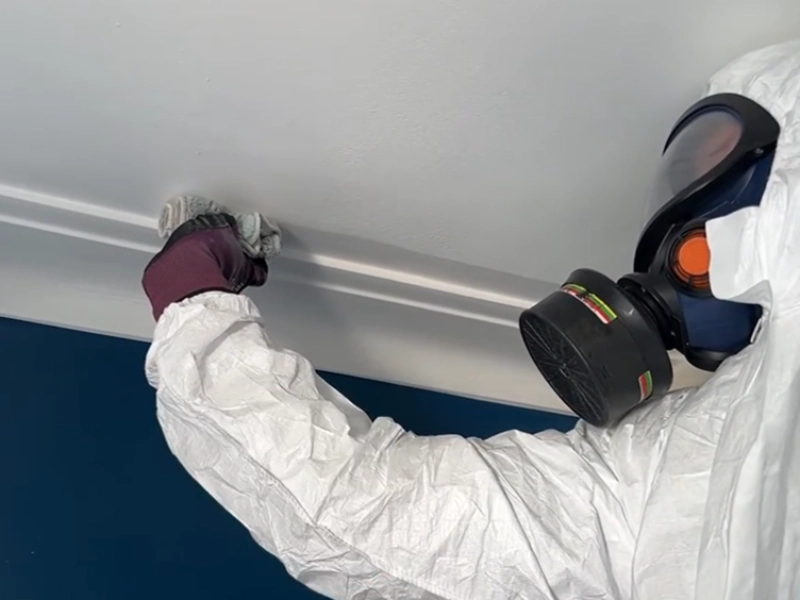
Mold Removal in High Springs Starts Under the House, Not Just in the Room You Can See
If you live in High Springs, you already know the town is not built like a Gainesville subdivision. A lot of houses sit up on piers. Plenty run on a private well and a septic tank. Many went up before anyone worried about vapor barriers. None of that is a flaw. It does change where mold likes to hide.
Most of this page is practical: what to do first, when you can handle it yourself, what shapes the work, how the seasons work against a High Springs house, and what we actually do once we are there. Take what helps and skip the rest.
Is It Mold? What High Springs Homeowners Usually Notice First
Mold rarely announces itself in a crawl space. The first sign is usually your nose or a home inspector’s flashlight, not a fuzzy patch on the wall. Here is what we hear most, and what it often points to.
| What you notice | What it often means | First thing to check |
|---|---|---|
| Musty smell that comes and goes with the season | Damp air or growth under the floor, usually worse in summer | Crawl space vents, ground cover and any standing moisture |
| Smell strongest near floor vents or the air handler | Moisture in the ductwork or in the crawl space the ducts run through | Duct insulation and sweating on duct surfaces |
| Dark spots on joists or subfloor in an inspection report | Surface growth that may or may not be active | Whether the wood is still damp and why |
| Floors that feel soft, spongy or cup at the edges | Long term moisture, not a one time spill | Plumbing near the soft spot, and the soil under it |
| Fuzzy white or green growth on stored items in a closet or garage | High indoor humidity, not necessarily a leak | Humidity reading and how well the AC is running |
| Brown or yellow ring on a ceiling | Water came through at some point. A stain alone is not mold | Roof, flashing and attic. Is the stain still growing? |
A water stain is proof moisture was there. Mold needs a damp surface to keep going, so what matters is whether the area is still wet or still humid. Not sure whether it is mold or mildew? Our guide on mold vs mildew shows the difference, and the page on black mold (Stachybotrys) explains why color alone tells you very little.
Found Mold in Your High Springs Home? Do This First
A few moves in the first day or two can keep a small problem small. None of them need a contractor.
Leave it alone
Don’t scrub, sand, dry brush or point a fan at it. That throws spores into rooms that were clean. Don’t paint over it either. The growth is still under there.
Exception: a small patch on a hard surface (see the next section).Stop the water
Mold stops growing when the moisture stops. If a fitting on your well line is dripping, shut the water off first. Check the AC drain line, the water heater and under every sink.
No water source found? Say so when you call. That is what the inspection is for.Dry what’s wet
The EPA’s rule of thumb is to dry or remove wet material within 24 to 48 hours. Run the AC, add a dehumidifier, open the space if the air outside is drier. Our 48 hour drying guide covers the details.
Wet insulation and soaked carpet rarely dry in place.Take photos and notes
Date, location, what it looks like, whether it smells, and any recent leak, storm or repair. Photos of the moisture source matter most if you file an insurance claim.
Take them before anyone cleans or removes anything.Not sure what you’re looking at? Call and describe it. We’ll tell you if it’s a patch you can handle or worth a professional look.
☎ Call (352) 450-4030Can You Clean Mold Yourself, or Is It a Job for a Pro?
Sometimes you can, and we’d rather tell you that than book a job you don’t need. The EPA’s rough line is about 10 square feet. A patch smaller than that, on a hard surface, with the moisture already fixed, is usually a homeowner job. In a crawl space the picture changes quickly, because what you see on one joist is rarely the whole story.
Usually fine to handle yourself
- Under about 10 sq ft on a hard, accessible surface
- Cause is known and already fixed (condensation, a dripping fitting you repaired)
- You can stand or reach comfortably, with good light and airflow
- Nobody in the home has asthma, allergies or a weakened immune system
Use an N95 respirator, gloves and goggles. Wash hard surfaces with soap or detergent and water, then dry them fully. The EPA doesn’t recommend routine use of bleach or other biocides.
Better to call a pro
- Growth across several joists, or any growth under insulation or ground cover
- A smell with no visible source
- Cause is unknown, keeps coming back or involves a well line, septic drainage or a torn vapor barrier
- Tight crawl space, hidden growth behind duct work or inside wall cavities
- Infants, older adults or anyone with breathing problems in the home
Our small mold cleanup guide walks through the DIY steps. If you are in the right-hand column, our crawl space mold removal page shows how that work is done.
Why Mold Removal in High Springs Is Different From Gainesville
High Springs is in Alachua County, about 20 miles northwest of Gainesville, and it is known as the Gateway to the Springs. The Santa Fe River, Poe Springs, Ginnie Springs and Gilchrist Blue Springs all sit close by. That is good for weekends. It also means water is never far from the ground your house sits on. Same humid climate as Gainesville, different building styles, different moisture sources.
The housing mix drives the problem
A newer slab home on city water and sewer mostly worries about roofs, windows, plumbing in walls and AC. A pier and beam house on a well and septic system has more places for moisture to sit unnoticed. A slow drip under the house doesn’t show up on a city water bill, and nobody sees it from the living room.
None of this means a High Springs home is headed for mold. It means we check different things first.
| Home type around High Springs | Likely moisture source | What we check first |
|---|---|---|
| Pier and beam, vented crawl space | Humid air entering through vents, bare soil, blocked vents, gutters that drain at the foundation | Vent clearance, ground cover, joist moisture, duct insulation |
| Older home, never had ground cover | Moisture rising from bare soil for years | Subfloor underside, insulation, soil condition |
| Well and septic property | Small leaks at well line fittings, wet ground from a struggling drain field | Plumbing connections, ground slope, wet soil near the foundation |
| Lot near the Santa Fe River or a spring run | Ground that stays damp longer after summer rain | Soil moisture under the house, drainage, crawl space humidity |
| Slab home on a rural lot | Roof leaks, AC condensation, plumbing in walls, attic | Attic, air handler area, window and door seals |
How a High Springs summer turns into a crawl space problem
Warm, wet air moves in
Summer dew points are high, and a vented crawl space lets that air in.
Cool surfaces sweat
Air meets cooler ducts, plumbing and wood. Moisture can condense on them.
Wood stays damp
Blocked vents, bare soil and shade keep drying slow after the daily storms.
Growth gets a foothold
Damp joists and subfloor support mold, often for months before you smell it.
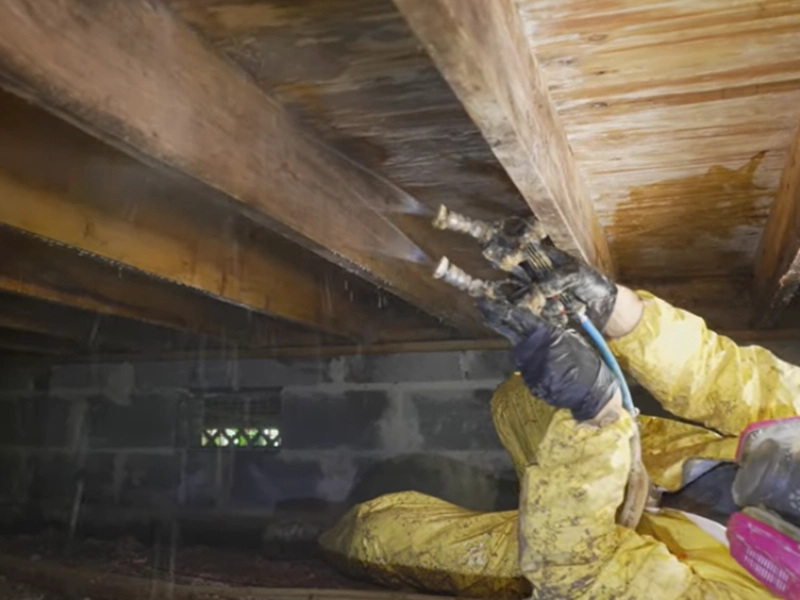
Crawl Space Mold in High Springs: What We Check Under the House
A crawl inspection is not a quick peek with a phone light. It is a walk through the space with a moisture meter and a plan, looking for how water is getting in or why it can’t get out. This diagram shows the six places we look most.
- 1Vents blocked by shrubsLandscaping grows over vents by midsummer. Air stops moving and humid air sits against the joists.
- 2Downspout at the foundationHeavy afternoon rain dumped beside the footing can leave the crawl space damp for days.
- 3Well line fittingA slow drip runs for months with no bill spike to warn you. Look for wet insulation or a dark halo on nearby wood.
- 4Septic drain fieldA saturated or failing field keeps ground near the house wet. That moisture can migrate under the floor.
- 5Sweating ductworkCold ducts in humid air drip. Insulation gets wet, then the joists above it do.
- 6Ground moisture and water tableNear the Santa Fe River and spring runs, soil stays damp longer. A torn or missing ground cover lets it rise.
What a good crawl space visit includes
- Getting under the house, not guessing from the hatch
- Moisture readings on joists and subfloor, not just a visual look
- Checking the ground cover, vents, duct insulation and plumbing in one pass
- Photos of what we find, so you see what we see
- A clear scope explained once we have seen it
If the hatch is in a closet or utility room, we’ll find it. If the opening is too small for safe work, we’ll say so up front.
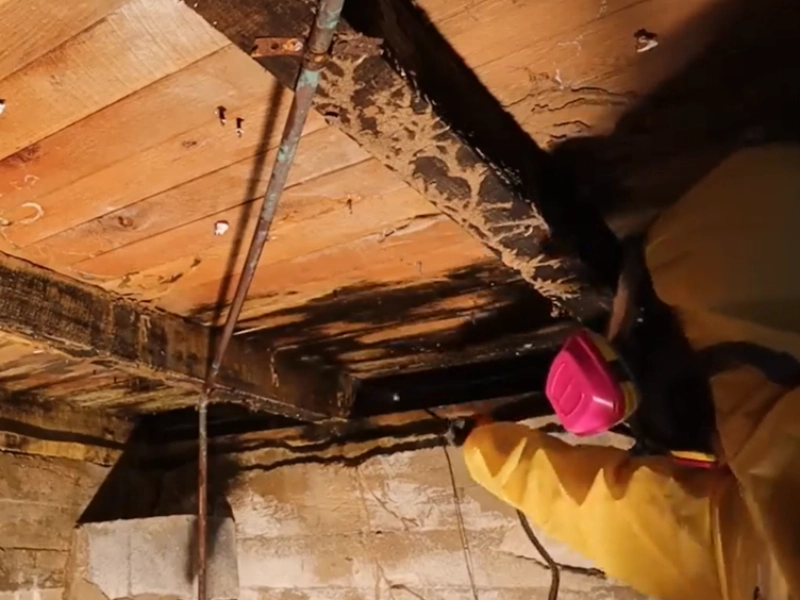
Musty smell under the floor and no idea why? A professional look can find the source before it spreads.
☎ Call (352) 450-4030When Is Mold Worst in High Springs? A Season by Season Guide
Summer, mostly. Gainesville area weather data puts the wet season at about June 1 to September 20, with the muggiest stretch running from early May through October. Atlantic hurricane season runs June 1 to November 30. Put those together and the risky half of the year is long.
Planning view of mold risk by month
A planning guide based on wet season, muggy season and hurricane season dates, not a measurement. Your own readings matter more. Weather data: WeatherSpark, Gainesville.
| Season | What it does to a High Springs house | What to do |
|---|---|---|
| Late spring (Apr to May) | Humidity climbs, AC starts working harder, vegetation grows into vents | Trim shrubs off vents, clean gutters, check downspouts, test the dehumidifier |
| Wet season (Jun 1 to Sep 20) | Daily storms, damp ground, high humidity under the house | Keep the AC running, keep indoor humidity under 60%, look in the crawl space after heavy rain |
| Hurricane season (Jun 1 to Nov 30) | Roof leaks, water intrusion, power outages that stop the AC | Dry wet materials within 24 to 48 hours, check the crawl space and attic after a storm |
| Fall (Oct to Nov) | Still muggy into October, leaves clog gutters | Don’t switch the AC off early. Clear gutters before the next rain |
| Winter (Dec to Mar) | Cooler, drier, lower risk | Best time to fix vents, ground cover and drainage and to book crawl space work |
What humidity should you aim for?
The EPA says to keep indoor humidity below 60%, and ideally between 30% and 50%. A simple hygrometer tells you where you are. Our Florida humidity guide and the page on where to put a dehumidifier cover the rest.
Will mold grow if you leave the house with the AC off?
It can. A closed, hot, humid house is the setup mold wants. If you are away for a stretch in summer, keep the AC on and set the thermostat so it still runs. We cover that in our guide to leaving town with the AC off.
What about after a storm?
Check the attic, ceilings and crawl space within a day or two. If anything stayed wet, emergency mold removal or water damage restoration may be the right call. Our storm prep guide has the checklist.
How Much Does Mold Removal Cost in High Springs?
Anyone who quotes a firm number over the phone without seeing the space is guessing. Crawl space work in particular is handled differently from an open room, because tight access adds labor even when the affected area is small. These are the factors that shape the job.
| What shapes the job | Why it matters | What to ask |
|---|---|---|
| Size of the affected area | More square footage means more time, more material and more containment | Is it measured, or a rough guess? |
| Access | Low clearance and small hatches slow every step | Is access part of the plan? |
| Material that must come out | Wet insulation, soft subfloor and damaged drywall can’t be cleaned. They get removed | What’s coming out and what’s staying? |
| Fixing the moisture source | Ground cover, venting, gutters, plumbing or drain field fixes are usually separate trades | Does the scope list what has to be fixed so it doesn’t return? |
| Containment and air filtration | Barriers and HEPA air filtration keep spores from spreading | How will the work area be isolated? |
| Rebuild afterward | Replacing subfloor, insulation or drywall is separate from removal | Is rebuilding part of the job or separate? |
| Independent clearance check | Optional. Done by a separate assessor | Do you want a third party to confirm? |
What a fair written scope looks like
- The area to be treated, in square feet, and how it was measured
- What material will be removed and what will be cleaned
- How the work area is contained and how air is filtered
- What happens with drying and when
- What is not included (moisture fixes, rebuilding, clearance check)
That is what we give you, after we have seen the space.
Does homeowners insurance cover mold removal in Florida?
Sometimes. Coverage usually depends on what caused the mold. Mold that follows a sudden, covered event, such as a burst pipe or storm damage, is more likely to be covered. Mold from long term humidity or a slow leak is commonly excluded. Many policies that cover mold set a cap, so read your own policy and ask your insurer. Photos, dates and a written record of the moisture source help any claim.
Is it illegal to sell a house with mold in Florida?
No, but you can’t hide it. Under Florida’s Johnson v. Davis decision, a seller who knows of facts that materially affect a home’s value and that the buyer can’t easily see has to disclose them. Mold, or past water damage that led to it, can fall into that group. Buyers and sellers should ask their agent or a Florida real estate attorney. This isn’t legal advice. The Florida Realtors explainer is a good starting point.
What does “stage 4 mold” actually mean?
Nothing official. People use it to mean “really bad,” but the industry standard (IICRC S520) doesn’t have a Stage 4. It describes three conditions:
Heavy, widespread growth is still Condition 3. Size, location and material decide the job, not a stage number.
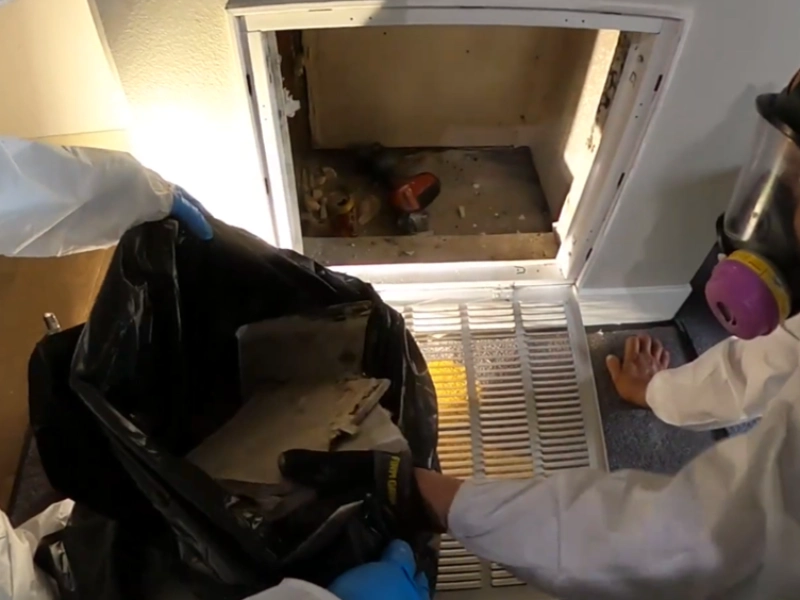
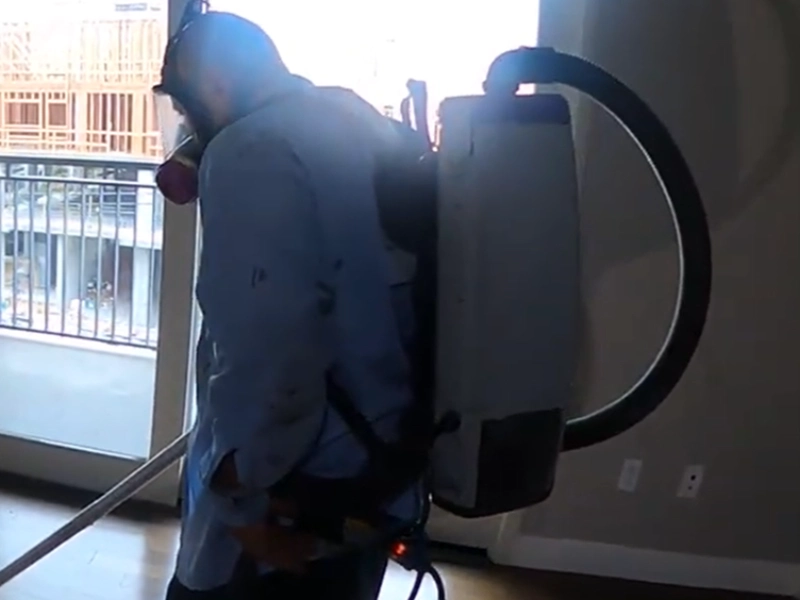
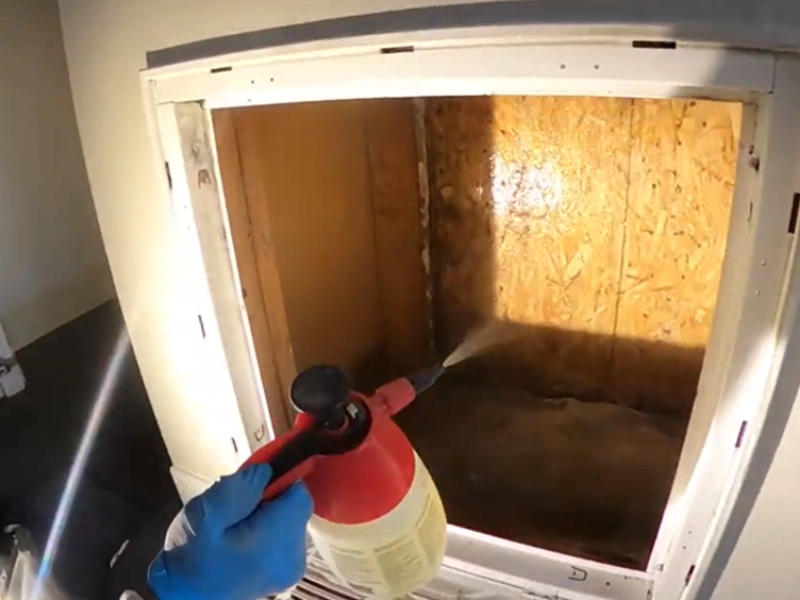
What Mold Removal Looks Like in a High Springs Home, Step by Step
Here’s the short version, then the photos. Every job is a little different, but the order doesn’t change.
Inspect and find the source
Moisture readings, a look at the crawl space or attic, and the cause. Then a plan for the work.
Contain the area
Barriers go up and air filtration runs so spores don’t travel to clean rooms.
Remove and clean
Materials that can’t be cleaned get bagged out. What stays is HEPA vacuumed and cleaned.
Dry and fix the cause
Dehumidifiers and air movers bring moisture down. Ground cover, venting or drainage gets corrected.
Check and rebuild
A final check before anything goes back. An independent clearance check is available.
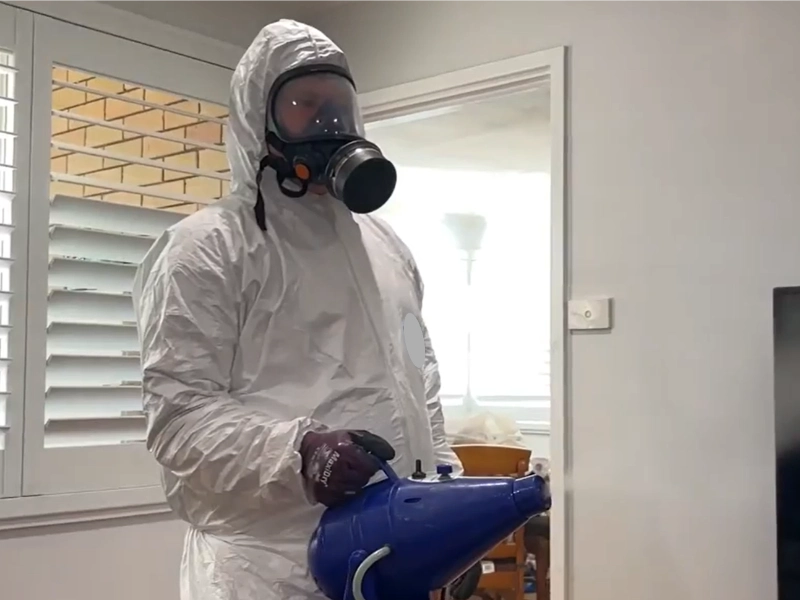
Who does what in Florida: assessor, remediator and clearance
| Role | What they do | Good to know |
|---|---|---|
| Mold assessor | Evaluates the problem, writes a plan and can do a clearance check afterward | Optional for small jobs. The CDC doesn’t recommend routine mold testing |
| Mold remediator | Does the physical removal, cleaning and drying | That’s us |
| Clearance check | Confirms the work area is clean before rebuilding | Florida keeps assessment and remediation separate: the same company can’t do both on one property within 12 months (Fla. Stat. 468.8419) |
Want the full breakdown? See our mold remediation process page.
Beyond the Crawl Space: Other Places Mold Hides in High Springs Homes
Attics
Roof leaks, bath fans that vent into the attic, and ducts sweating in summer heat.
Attic mold removalAC and ductwork
Condensation, dirty coils and wet duct insulation. Musty smell when the AC kicks on is the clue.
Mold in air ducts and HVACWalls after a leak
Behind drywall, under cabinets and around tubs. Often hidden until a stain or odor shows up.
Water damage restorationBlack or dark growth
Color doesn’t tell you what it is or how risky. Size, location and moisture do.
Black mold removalSealing after cleanup
On some surfaces a mold resistant coating is part of finishing the job.
Mold encapsulationHealth questions
Allergies, asthma and irritation can all be linked to damp indoor spaces.
Mold allergies and health effectsThree Mold Stories We See Around High Springs
These are illustrative examples based on common patterns, not specific past clients. What they share: no flood, no disaster. Just slow, quiet moisture that took months or years to show.
The vent nobody checked
A musty smell that came and went with the seasons for two years. Several crawl space vents were buried in overgrown shrubs, so humid air sat against the joists every summer. By the time someone went under the house, growth had spread across a large part of the space.
Fix: clear the vents, then address the growth and the humidity.The slow well line drip
A small drip at a fitting under the house ran for months. On a well there is no city water bill to flag extra use, so it stayed hidden until a home inspection before a sale found dark growth on nearby joists.
Fix: repair the fitting, remove affected material, dry the space.The house with no ground cover
An older home never had ground cover installed. Moisture rose from bare soil year after year, keeping humidity high enough for growth on the underside of the subfloor with no leak at all.
Fix: remove affected material, then install ground cover so the soil stops feeding the problem.Why Call a Gainesville Crew for Mold Removal in High Springs
Gainesville Mold Rescue is based at 1201 E University Ave in Gainesville. We serve High Springs and the rest of Alachua County. A few things we hold to:
- We tell you when it’s a DIY patch. If it is small enough for you to handle, we’ll say so.
- We go under the house before we give you a number, and the scope is in writing.
- We fix the cause, not only the visible mold. If it comes from a vent, a fitting or drainage, that’s in the plan.
- Call any time, day or night, and we’ll help get a local provider to your address as soon as their schedule allows.
Want to know more about us first? Read about Gainesville Mold Rescue or see what neighbors say on our homepage reviews.
Keep Mold From Coming Back in a High Springs Home
- Keep shrubs and mulch clear of crawl space vents and the foundation
- Aim downspouts and splash blocks well away from the house
- Fix drips under sinks and at well line fittings as soon as you see them
- Look under the house once in spring and once after the wet season
- Keep indoor humidity under 60%, ideally 30 to 50%, with a hygrometer to check
- Have ground cover that is intact and covers the soil
- Call about septic problems early, since wet ground near the foundation feeds the crawl space
The full routine, room by room, is in our Mold Prevention Tips for Gainesville guide. Most of it applies in High Springs too.
Mold Removal Around High Springs and Alachua County
We cover High Springs (ZIP 32643) and the communities around it, from the historic downtown near US 441 to the rural roads out toward Poe Springs, the Santa Fe River and the springs country to the north and west. Confirm coverage for your exact address when you call.
- 32643 High Springs
- 32615 Alachua
- 32669 Newberry
- 32618 Archer
- 32667 Micanopy
- 32641 Gainesville (our base)
Based in the city? Head to our Gainesville mold removal homepage.
Other help from the same crew: commercial mold remediation for shops and offices, dry ice blasting for framing that needs gentler cleaning, and our guides to Aspergillus and Cladosporium if you want to know what is growing.
High Springs Mold Removal: Your Questions Answered
Short answers to the questions we hear most. Don’t see yours? Call us at (352) 450-4030.
Do you offer mold removal in High Springs, and how fast can you get there?
Yes. High Springs is about 20 miles up US 441 from our Gainesville base, usually a 25 to 30 minute drive. Call any time, day or night, and we’ll help get a local provider to your address as soon as their schedule allows.
How much does mold removal cost in High Springs?
It depends on the size of the area, how hard it is to reach, how much material has to come out and what needs fixing so the mold doesn’t return. Crawl space jobs are handled differently from open rooms. A provider has to see the space first, so expect a conversation about scope before any pricing.
Does homeowners insurance cover mold removal in Florida?
Sometimes. Mold that follows a sudden, covered event such as a burst pipe or storm damage is more likely to be covered, while mold from long term humidity or a slow leak is commonly excluded. Many policies that cover mold set a cap. Your insurer decides coverage, so read your policy and document the moisture source with photos and dates.
Is it illegal to sell a house with mold in Florida?
No, but sellers can’t hide it. Under Florida’s Johnson v. Davis decision, a seller who knows of facts that materially affect value and that a buyer can’t easily see must disclose them. Ask your agent or a Florida real estate attorney how that applies to your situation. This isn’t legal advice.
What is “stage 4” mold?
It isn’t an official term. The industry standard (IICRC S520) describes three conditions: normal fungal ecology, settled or traveled spores, and active growth. Widespread growth is still Condition 3, and the size, location and material decide the job.
What naturally kills mold?
Nothing home made reliably fixes a moisture problem. The EPA’s guidance for small areas is soap or detergent and water on hard surfaces, followed by thorough drying. It doesn’t recommend routine use of bleach or other biocides. If the moisture source isn’t fixed, mold returns whatever you clean with.
What time of year is worst for mold in High Springs?
Summer into early fall. The Gainesville area wet season runs about June 1 to September 20, the muggiest period runs from early May through October and hurricane season runs June 1 to November 30. Winter is the lowest risk and a good time to fix vents, ground cover and drainage.
Do I need a mold inspection before removal?
Not always. For a small visible patch you can often go straight to cleanup. An inspection earns its place when the source isn’t obvious, the growth is hidden or the area is large, because it finds the moisture. The CDC doesn’t recommend routine mold testing. If you want an independent assessor for a clearance check, Florida keeps assessment and remediation separate, so we’d point you to one.
Should I hire a professional or do it myself?
If it’s under about 10 square feet, on a hard surface, with the cause fixed, many homeowners handle it with gloves, goggles and an N95. Call a pro for growth across several joists, hidden growth, an unknown cause, a well or septic link, or anyone in the home with breathing problems.
Will mold grow if I leave my house with the AC off?
It can. A closed, hot, humid house is what mold needs. Keep the AC running when you’re away in the warm months, and use a hygrometer or a dehumidifier if you’ll be gone a while.
What should I expect during mold removal?
An inspection to find the source, containment, air filtration, removal of materials that can’t be cleaned, HEPA vacuuming and cleaning, drying, and a final check before anything is rebuilt. The scope is worked out after the first look.
My crawl space smells musty but I can’t see mold. Should I worry?
It’s worth a look. A persistent musty smell usually means something damp is growing out of sight, often on the underside of the subfloor, on duct insulation or on joists. Someone should get under the house and check rather than wait for a stain to show up on the floor above.
Can a well or septic system cause mold?
Not by themselves. But a slow leak at a well line fitting can run for weeks before anyone notices, and a saturated drain field can keep soil near the foundation wet. That moisture can move into a crawl space. If you think sewage water reached the house, don’t clean it yourself.
Can I stay in my home during mold removal?
Often yes, especially when the work is in a crawl space and well contained. It depends on where the work is and who lives there. If someone has asthma, allergies or a weakened immune system, ask about staying elsewhere for a day or two.
Will mold come back after removal?
Only if the moisture does. Removal clears the mold that’s there. If a vent, a leak, bare soil or poor drainage caused it, that has to be fixed too. That’s why the plan covers the cause, not just the stain.
More reading: mold vs mildew, black mold removal and emergency mold removal.
Ready to Talk to Someone in High Springs?
If you smell something under the floor, found a dark spot on a joist, or just want someone to look, call Gainesville Mold Rescue. We’ll tell you what the problem needs, including when the answer is “you can handle this.”
Call now to talk it through.
Sources
- U.S. EPA: A Brief Guide to Mold, Moisture and Your Home
- U.S. EPA: Mold Cleanup in Your Home
- Florida Department of Health: Mold
- Florida Statute 468.8419: mold-related services
- Florida Realtors: Disclose, Disclose, Disclose (Johnson v. Davis)
- Visit Florida: High Springs
- WeatherSpark: Average Weather in Gainesville, Florida