
Black Mold Removal in Gainesville, FL: What It Is, What It Costs, and What Actually Gets It Out
Dark patches on a ceiling, a musty closet nobody wants to open, a wall that looks “dirty” no matter how hard you scrub. In this climate that is usually a moisture problem first and a mold problem second. Here is how to tell what you are dealing with, what you can safely handle yourself, and when to call someone who contains the work properly.
- Built on EPA & CDC guidance
- Florida DBPR rules explained
- Serving all of Gainesville, FL
Reviewed October 2026 by the Gainesville Mold Rescue team
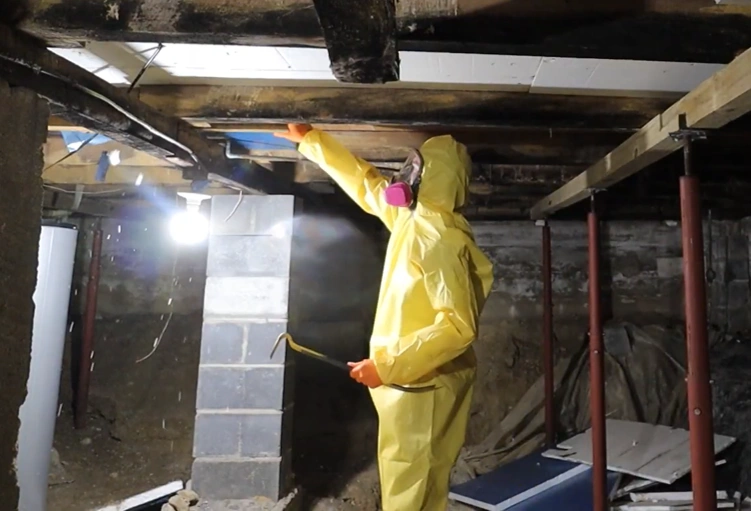
How Do You Know If It Is Really Black Mold?
“Black mold” usually means Stachybotrys chartarum, a dark greenish-black mold that grows on cellulose-rich materials like drywall paper, ceiling tiles and wood after they stay wet for days. It is not the only mold that looks black. Aspergillus, Cladosporium and Alternaria can all show up as dark spots, and you cannot name a species by eye.
What it tends to look and smell like
- Dark green, black or charcoal patches, sometimes fuzzy, sometimes slimy when damp
- A musty, earthy smell that gets stronger when the A/C cycles off or after rain
- Growth along ceiling corners, the bottom of drywall, around vents and under sinks
- Paint that bubbles, peels or stains in a ring pattern, which points to water behind it
Not sure whether it is mold or mildew? Mildew is typically flat and powdery, gray or white, and sits on the surface. Dirt wipes away without leaving a stain or a smell. Our Stachybotrys guide goes deeper on identification.
One honest point most pages skip: the color does not change your next step. EPA guidance says that when mold is visible, sampling is generally unnecessary, because the cleanup rules depend on how much there is and what it is growing on, not the species.
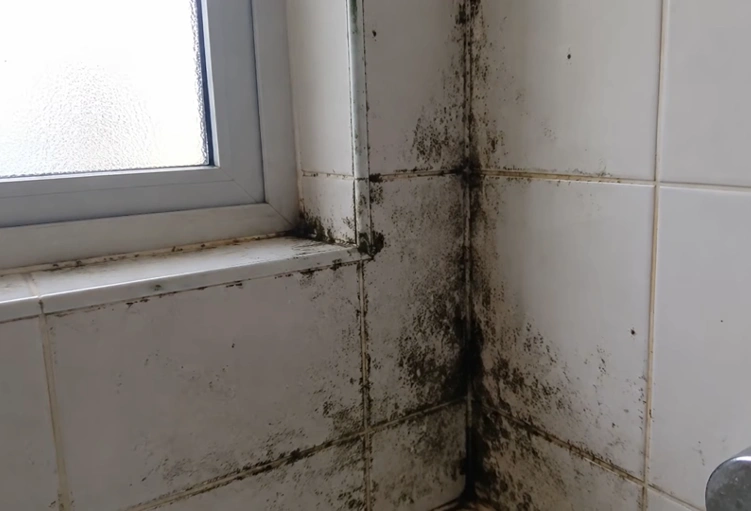
Is Black Mold Dangerous? What the CDC and Cleveland Clinic Actually Say
Most of the fear online is louder than the evidence. Most of the real risk is quieter than people think.
What is well documented
Mold exposure can cause a stuffy nose, wheezing, red or itchy eyes, throat irritation and skin reactions, and can trigger asthma attacks, according to the CDC.
Who is most at risk
People with asthma, allergies, lung disease or weakened immune systems. The CDC advises these groups not to do the cleanup themselves.
What is overstated
Cleveland Clinic notes that serious illness from household black mold is rare. The stories about “toxic mold” and instant evacuation go beyond the evidence.
So it is worth fixing, but you do not need to panic. If anyone in your home has breathing problems, talk to their doctor and read our page on mold and health effects.
Where Black Mold Shows Up in Gainesville Homes
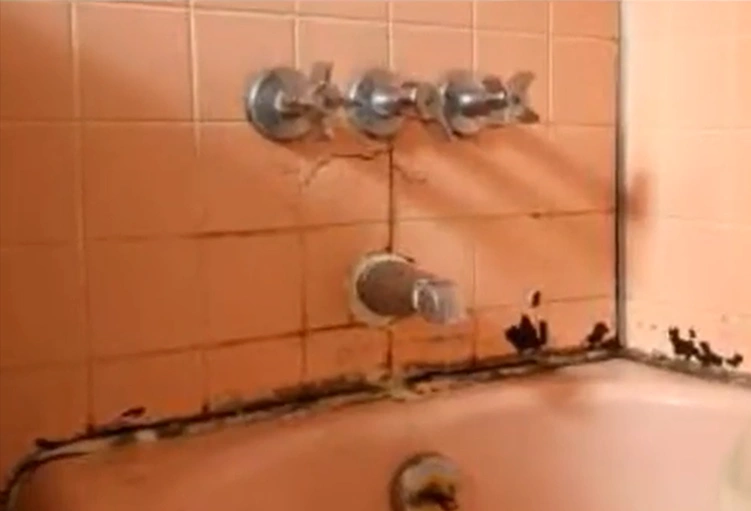
Under sinks, in showers and behind toilets
A slow drip at a supply line or a filter housing keeps a cabinet floor damp for weeks, and a closed door hides it. Bathrooms with a fan that vents into the attic instead of outdoors do the same thing to the ceiling.
Around the A/C
Air handler closets, condensate drain pans and supply vents are classic trouble spots. When the house is cooled to the low 70s and the air outside is 90 degrees and wet, moisture condenses on cold metal and drywall. A clogged drain line can overflow into a ceiling for weeks before anyone notices. If you see growth near a vent, read about mold in HVAC and air ducts.
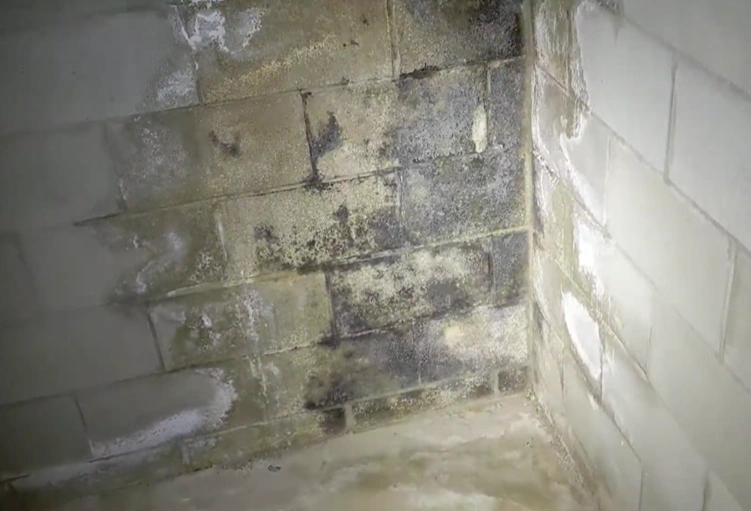
Crawlspaces, attics and below-grade rooms
True basements are uncommon in North Central Florida because the water table sits close to the surface, but the same problem shows up in crawlspaces under older raised-foundation homes, sunken rooms, and garage walls against retaining soil. Attics add roof leaks and poor ventilation to the mix. We cover each in our guides to crawlspace mold removal and attic mold removal.
Why Gainesville Gets So Much Black Mold
Mold needs moisture, a food source and time. North Central Florida supplies the first one almost year-round.
- A long, wet summer. The wet season runs roughly June through mid-September, and July is the rainiest month at about 6 inches.
- Months of muggy air. Oppressive humidity lasts from early May into the end of October, peaking in August.
- Hurricane season. It runs June 1 to November 30. Roof leaks, wind-driven rain and flooded floors are the setup for mold in the weeks that follow.
- A high water table and low-lying ground. Areas near Paynes Prairie and the Santa Fe River floodplain in High Springs and Alachua stay damp longer after storms.
- Older housing. Raised-foundation and older frame homes in the Duckpond and surrounding Northeast Gainesville neighborhoods often have aging roofs, original plumbing and crawlspaces.
- Heavy A/C use. Cooling a home for eight months a year creates condensation wherever cold surfaces meet humid air.
- Rental turnover. Student housing near UF and Midtown means leaks and complaints can sit unreported between tenants.
Can You Remove Black Mold Yourself, or Do You Need a Professional?
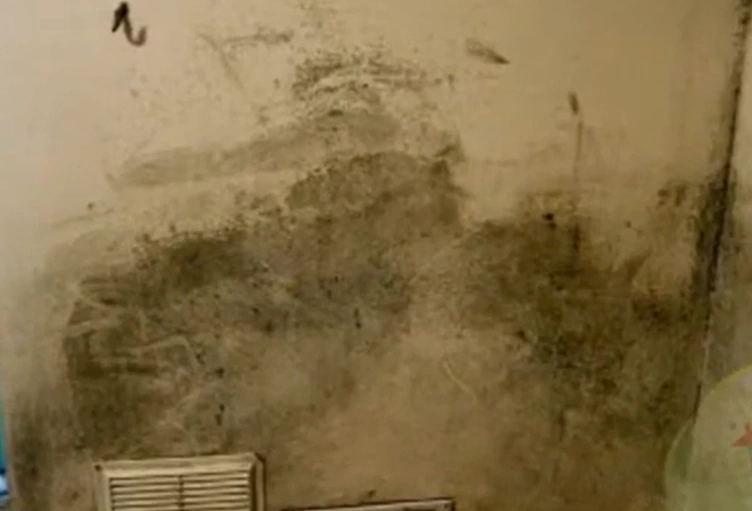
The EPA draws the line at about 10 square feet, roughly a 3-by-3-foot patch. Florida’s mold licensing law uses the same 10 contiguous square feet as the point where licensed remediation applies.
| Situation | DIY is generally reasonable | Call a professional |
|---|---|---|
| Size | Under about 10 sq ft | More than 10 sq ft, or the extent is unknown |
| Surface | Hard, sealed: tile, glass, sealed countertops | Porous: drywall, ceiling tile, insulation, wood, carpet |
| Location | Visible and easy to reach | Inside wall cavities, under flooring, in ductwork, near the air handler |
| Recurrence | Cleaned once and it stayed away | It keeps coming back after cleaning |
| People in the home | No one with asthma, allergies or a weakened immune system | Infants, older adults, or anyone with lung or immune conditions |
| Smell | Odor goes away with the visible spot | Musty smell with nothing visible, which suggests hidden growth |
If you are cleaning a small patch yourself
- Fix the water source first. Cleaning mold that is still being fed is wasted effort.
- Wear an N95 respirator at minimum, plus gloves and goggles, per the CDC.
- Scrub hard surfaces with detergent and water, then dry completely within 24 to 48 hours.
- If you use bleach, no more than 1 cup per gallon of water, never mixed with ammonia or other cleaners, and with the windows open.
- Bag and discard porous materials that stay stained or smell after drying.
What not to do
- Do not paint over it. Mold grows through paint and the stain returns.
- Do not dry-scrub or blow it with a fan, which spreads spores through the house.
- Do not run the A/C to “dry it out” if growth is near a vent or the air handler.
The sources behind this table are the EPA’s mold cleanup guide and the CDC’s mold cleanup page.
How Professional Black Mold Removal Actually Works
This is the part a handyman or a store-bought spray cannot replicate. A proper job controls the spores, not just the stain.
Moisture meters and, where needed, thermal imaging trace the water to its source. A roof leak, a failed supply line, a clogged drain line or a humid crawlspace all get stopped before any removal starts.
The work area is sealed with plastic sheeting, usually with a zippered entry, so spores do not travel to clean rooms.
Negative air machines with HEPA filtration pull air out of the contained area and keep it at lower pressure than the rest of the home.
Mold-damaged drywall, insulation, carpet and padding are cut out, double-bagged and carried out sealed. Porous material is discarded, not cleaned.
Framing and other structural surfaces are HEPA vacuumed and damp wiped, and antimicrobial or sealing products are used where the scope calls for them.
The area is dried to normal moisture levels. On larger jobs, an independent licensed Mold Assessor confirms the result before rebuilding starts.
Water Damage First, Mold Second: The 24 to 48 Hour Window
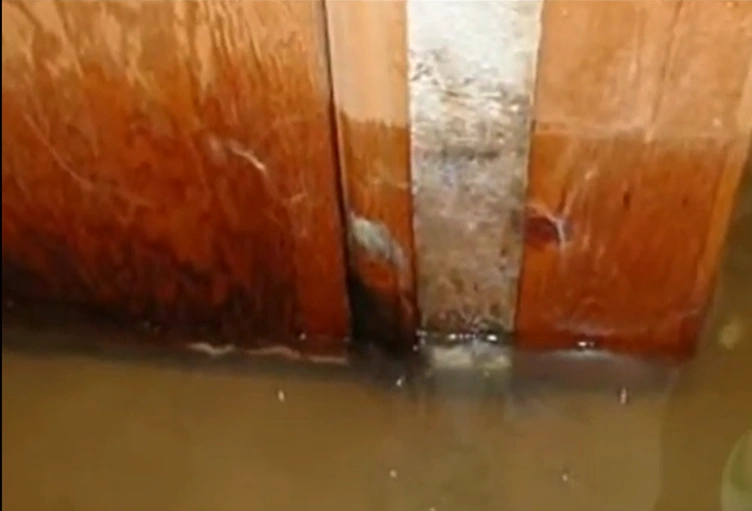
The EPA says that if wet materials are dried within 24 to 48 hours, mold usually will not grow. After that, growth can start, and black mold on drywall paper tends to take longer to establish, which is why a ceiling stain from a spring roof leak is often a mold problem by July.
After a leak, a storm, or an A/C overflow, the order matters: stop the water, pull out soaked materials, dry the structure, then deal with any growth. Our water damage restoration and emergency mold removal pages explain the first steps.
How Much Does Black Mold Removal Cost in Gainesville?
The size of the affected area, the material involved and how hard the area is to reach all shape the job. None of it depends on the word “black.” A provider can only set a price after seeing the job, because hidden moisture and damaged material change the work.
| What shapes the job | Why it matters |
|---|---|
| Size of the affected area | Larger areas need more containment, labor and disposal |
| Material involved | Porous materials such as drywall and insulation are usually removed, not cleaned |
| Access and location | Attics, crawlspaces and tight closets take more time and care |
| HVAC or subfloor involvement | These jobs need an on-site look before a scope can be set |
| Moisture source | The leak or humidity problem has to be fixed or the mold returns |
A few things are worth getting in writing from any provider: the measured square footage, what will be removed, what containment and air filtration are included, who handles the clearance testing, and whether rebuilding (drywall, paint, flooring) is part of the job. It usually is not.
Be cautious of any company that gives a firm verdict over the phone because it “sounds like toxic black mold,” or one that will not explain how it reached its recommendation.
Will Florida Homeowners Insurance Cover Black Mold Removal?
Often covered
Mold that results from a sudden, accidental covered event, such as a burst pipe or storm damage, reported promptly.
Usually not covered
Long-term leaks, ongoing humidity, or maintenance problems that went unaddressed.
Watch the limits
Many policies cap mold or fungi coverage at a fixed sublimit. Check your declarations page for the figure.
Mind the deadline. Under Florida Statute 627.70132, notice of a new or reopened property claim is due within 1 year of the date of loss, and a supplemental claim within 18 months. For storms, the date of loss is tied to the NOAA-verified event. Photograph the damage before anything is removed, and keep every invoice and report. We are not adjusters, and what your policy covers is a matter between you and your insurer.
How to Hire a Mold Remediator in Gainesville Without Getting Burned
- Verify the license yourself. Look up the company on the Florida DBPR mold lookup before signing. Jobs over 10 contiguous sq ft require a licensed Mold Remediator.
- Ask who writes the protocol. On a larger job, an independent Mold Assessor should define the scope and later confirm the result.
- Get containment and HEPA air filtration in writing. If the scope only mentions “spray and wipe,” keep looking.
- Ask for a clear scope based on square footage and materials, not on the color or the name of the mold.
- Take your time. Anyone pushing you to sign today “before it spreads” is selling urgency. After major storms, crews arrive from out of the area, so check the license status and local references first.
- Ask about the moisture fix. A mold job that does not address the water source is a repeat job.
Common Black Mold Situations We See Around Gainesville
These are typical patterns, not specific past customers.
The musty smell with nothing visible
Often a slow leak inside a wall or a wet air handler closet. A moisture meter finds it faster than tearing out drywall at random.
The post-storm ceiling stain
A roof leak after a summer storm or hurricane season dries on the surface but stays wet in the insulation, and mold appears weeks later.
The rental surprise
A student or young family moves in and finds growth behind a bed or closet. Written notice with dated photos starts the clock with the landlord.
The painted-over patch
Someone paints the stain, it returns in a month, and now it has spread into the wall. Paint treats the look, not the moisture.
The bathroom ceiling ring
A fan that vents into the attic, or that is never switched on, leaves a dark ring that gets wiped for months before anyone checks the duct.
The crawlspace that never dries
Older raised homes with open vents and bare soil pull humid air under the floor all summer, and the subfloor takes the damage.
Black Mold Removal Across Gainesville, FL
Mold does not care about neighborhood lines, but moisture conditions do. We cover homes and rentals from Midtown and the UF area to Haile Plantation, Tioga, the Duckpond, Millhopper and Kanapaha, and out to the smaller towns around the county.
Gainesville ZIP codes
- 32601
- 32603
- 32605
- 32606
- 32607
- 32608
- 32609
- 32641
Nearby communities
Related services: mold encapsulation, commercial mold remediation, and our Gainesville mold removal resources.
How to Keep Black Mold From Coming Back in a Florida Home
- Watch the humidity. Keep indoor humidity between 30 and 50 percent. A simple hygrometer tells you more than your nose does.
- Service the A/C. Flush the condensate drain line regularly and make sure the drain pan stays dry.
- Vent bath fans outdoors and run them for 20 minutes after showers.
- Fix leaks within 24 to 48 hours. Dry anything that got wet quickly.
- Run a dehumidifier in closets, garages and crawlspaces during the muggy months.
- Look after the outside. Clean gutters, grade soil away from the foundation, and trim shrubs back from exterior walls.
- Inspect after storms. Check the attic and ceilings after any heavy rain or tropical system.
More detail in our mold prevention tips for Gainesville homes.
Black Mold Removal in Gainesville: Your Questions Answered
Is black mold actually dangerous?
Mold of any color can irritate the nose, throat, eyes and lungs, and it hits people with asthma, allergies or weakened immune systems hardest. Severe illness from household black mold is rare, per Cleveland Clinic. It still needs to be dealt with, because the real issue is the moisture and the damaged material behind it.
Can I remove black mold myself?
Often, yes, if it is under about 10 square feet on a hard, non-porous surface and you have fixed the water source. EPA guidance draws the line there. Wear an N95 respirator, gloves and goggles. If it is on drywall, insulation or wood, or it keeps returning, call a professional.
Does bleach or vinegar kill black mold?
Bleach can disinfect hard, sealed surfaces, but it does not reach into porous materials like drywall or wood, and it does nothing about moisture. If you use it, the CDC says no more than 1 cup per gallon of water, never mixed with ammonia. EPA does not recommend biocides as a routine step.
How much does black mold removal cost in Gainesville?
Cost depends on the measured square footage, the materials involved and how hard the area is to reach. HVAC and whole-house jobs are much larger projects. A provider can discuss pricing with you after seeing the job, so ask for a clear scope based on measured square footage and materials.
Do I need a license to remove mold in Florida?
Florida regulates mold work under Chapter 468, Part XVI. Remediation over 10 contiguous square feet requires a licensed Mold Remediator, and testing or assessment requires a licensed Mold Assessor. You can check any license at the DBPR mold lookup before you sign anything.
Do I need to test to know if it is black mold?
Usually not. EPA says that if you can see or smell mold, sampling is generally unnecessary, because color and species do not change how you clean or remove it. Testing makes sense for hidden growth, health concerns, legal disputes, or clearance after a larger job.
Will homeowners insurance cover black mold removal in Florida?
Sometimes. Mold that follows a sudden, covered water event, such as a burst pipe, is more likely to be covered, while long-term seepage or humidity usually is not. Many policies cap mold coverage at a set limit. In Florida, new claims generally must be reported within one year of the date of loss.
Can I stay in my house during black mold removal?
For small, isolated jobs, usually yes. For larger work with containment, many families stay elsewhere until clearance, especially with infants, older adults, or anyone with asthma or a weak immune system. Ask your contractor where the containment goes and how air will be controlled.
How long does black mold removal take?
A small, contained area can often be finished in a day or two, while larger jobs need time for containment, removal, drying and clearance. Rebuilding drywall, paint and flooring comes after, and it is usually a separate line item and a separate schedule.
Will black mold come back after removal?
It will if the moisture returns. Mold is a symptom of water, humidity or condensation, so the fix has to include the source: a leak, a clogged A/C drain line, a bath fan that vents into the attic, or indoor humidity sitting above 50 percent.
I rent near UF. Who is responsible for mold in my apartment?
Florida Statute 83.51 requires landlords to keep a dwelling in compliance with applicable codes and, where none apply, to maintain plumbing and structure in good repair. Report the problem in writing with dated photos, and keep copies. For legal advice, talk to a Florida attorney or a tenant resource.
How do I tell black mold from dirt or mildew?
Dirt wipes off cleanly and does not smell. Mildew tends to be flat, powdery and gray or white. Stachybotrys looks dark greenish-black, can be slimy when damp, and usually comes with a musty odor. Many molds look black, so color alone cannot confirm the species.
Found Dark Mold and Not Sure What Comes Next?
Tell us what you are seeing, where it is, and roughly how big it looks. A short call is usually enough to tell you whether it is a do-it-yourself cleanup or something that needs containment, and what to do before anyone arrives.
Sources and further reading
- U.S. EPA: Mold Cleanup in Your Home
- CDC: Cleaning Up Mold
- Cleveland Clinic: Black Mold
- Florida DBPR: Mold-Related Services
- Fla. Stat. 468.8419: Prohibitions; penalties
- Fla. Stat. 627.70132: Notice of property insurance claim
This page is general information, not legal, medical or insurance advice.