
Trauma and Crime Scene Cleanup in Gainesville, FL: Who to Call, What It Costs and the Mold Risk That Follows
If you are reading this after a death, a crime or an accident at a home or business, we are sorry. You are probably trying to sort out ten things at once. We are a mold and moisture team, so we will be straight about where we fit: blood and body fluid cleanup is its own specialty, and we point you to the people who do it. What we know cold is what happens to a building afterward, including the moisture, odor and mold that can follow if it is not handled right.
- Compassionate, discreet guidance
- Mold and moisture specialists
- Serving all of Gainesville, FL
Reviewed October 2026 by the Gainesville Mold Rescue team
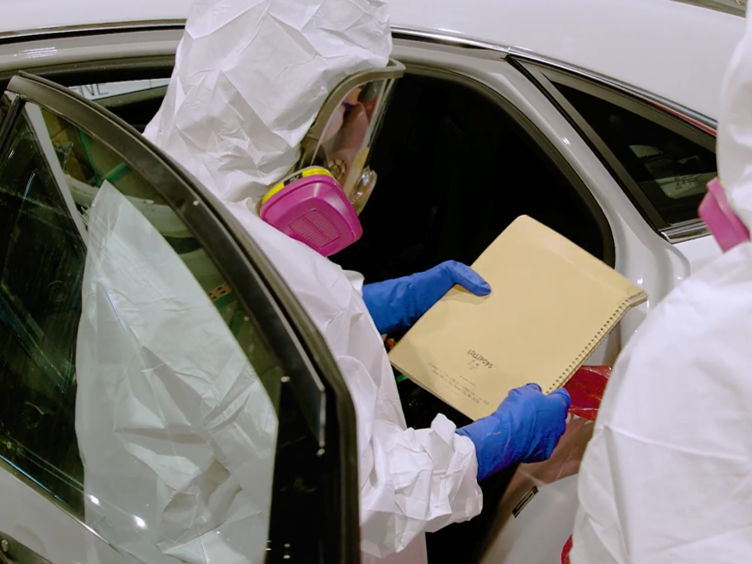
Who Cleans Up After a Death, Crime or Accident in Gainesville?
Who handles what?
- Law enforcement and fire rescue. Secure the scene and investigate. They release it back to you when they are done.
- Medical examiner or funeral home. Take care of the deceased. Their work ends there.
- A trauma or biohazard cleanup company. Removes blood, body fluids and contaminated materials, handles the waste and cleans the area.
- A mold and moisture company. Checks for lingering moisture, odor sources and mold, dries the structure and remediates if needed. This is where Gainesville Mold Rescue fits.
- Insurance, family or the estate. Decide who pays. We cover that below.
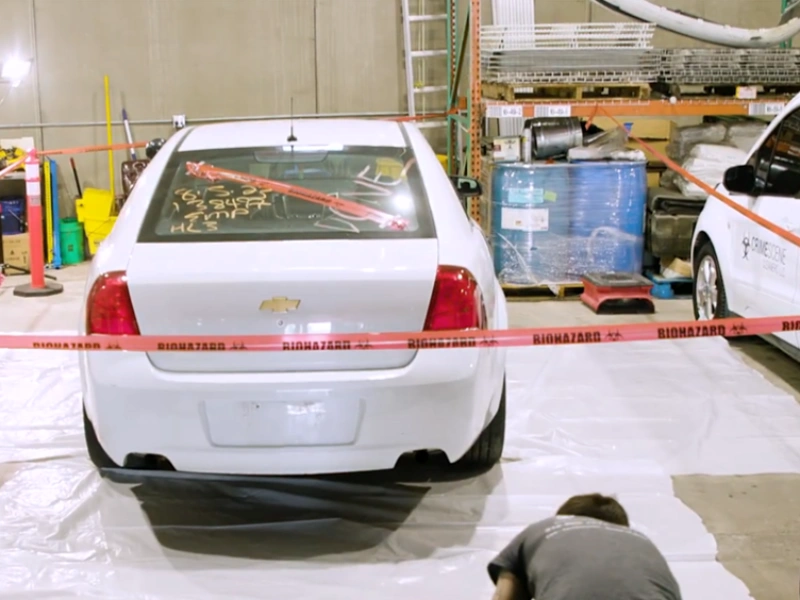
Trained crews work in protective gear inside a sealed area.
What Counts as Trauma Scene Cleanup, and What Is a Biohazard?
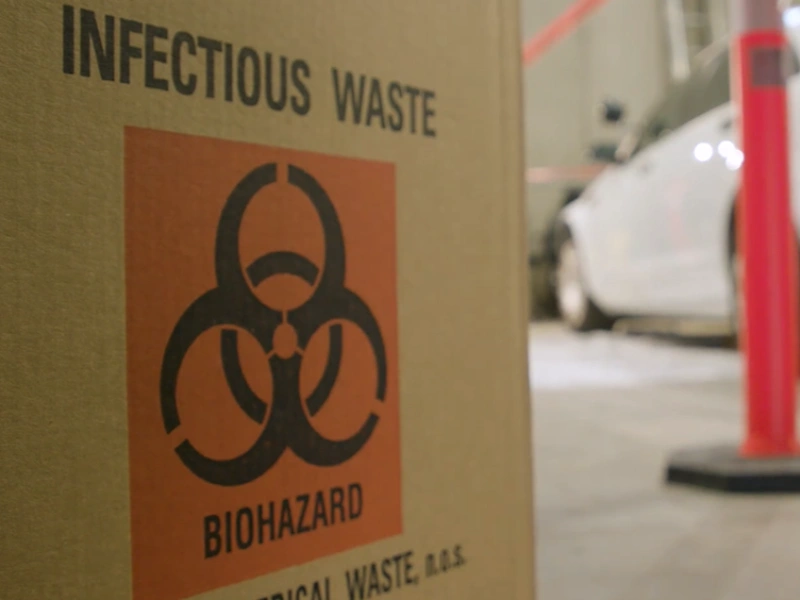
“Biohazard” covers more than people expect. In our line of work we see most of these show up in homes and rentals, and nearly all of them leave behind material that is porous, wet or both.
Blood and body fluids
After a violent crime, an accident or a medical emergency. Fluids soak into carpet, padding, drywall and subfloor faster than people expect.
Unattended death
When someone is not found for days. Decomposition brings fluids, strong odor and moisture into the structure.
Sewage and contaminated water
Backups and floods carry bacteria. This is the biohazard we see most, and it is closely tied to mold. See our water damage restoration page.
Sharps and medical waste
Needles and similar items. Never handle them yourself.
Hoarding with contamination
Food waste, animal waste and trapped moisture behind clutter. Mold is common here.
Infection control after illness
Some properties need deep disinfection after a serious illness or outbreak.
Why Is a Mold Company Writing About Trauma Cleanup?
Porous materials hold fluids and moisture, and they are usually removed.
What do trauma cleanup and mold remediation have in common?
- Containment. Sealed work areas, poly walls and HEPA negative air keep contamination from spreading, the same as on a mold job.
- Removal of porous materials. Carpet, padding, drywall and sometimes subfloor come out. Wiping them is not enough.
- PPE and disposal. Protective gear and sealed bagging.
- Moisture readings. Meters and thermal cameras show what is still wet behind the surface.
- HVAC risk. Odors and contaminants can travel through ductwork. See mold in air ducts and HVAC.
Where we stop. Cleanup of blood and body fluids involves bloodborne pathogen safety rules and medical waste handling. That is a different set of training and permits than mold work, and we do not do it. We help you reach a Gainesville area provider that does.
Can Mold Grow After an Unattended Death or a Biohazard Event?
Why does Gainesville make it worse?
- Heat and humidity. From May through October the air is muggy, and the wet season runs June through September. A closed up house traps both.
- Vacancy. A rental left empty near campus or a home after a long hospital stay can sit for weeks with the AC off or set high.
- Hidden wicking. Fluids and water travel into baseboards, the bottom of drywall and the subfloor, where you cannot see them.
- Cleanup that adds water. Heavy wet cleaning on porous materials can leave moisture behind. A good crew dries as it goes.
- Storm season. Hurricane season runs June 1 to November 30, so water and power outages can pile onto an existing problem.
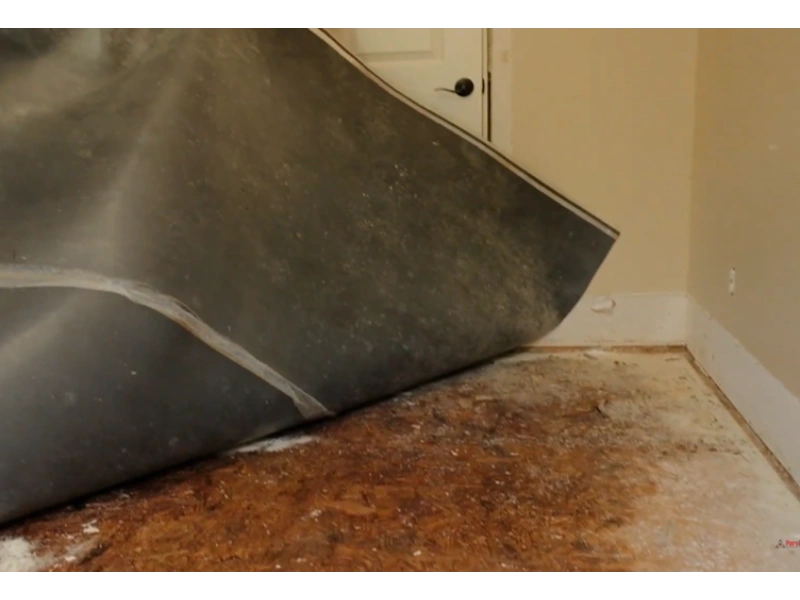
Carpet and padding that stay wet past 24 to 48 hours usually have to come out.
How Does Trauma Cleanup Work Step by Step, and Where Does Mold Work Fit In?
Every provider has its own routine, but a careful job follows this order. The first six steps belong to the biohazard crew. The rest is where moisture and mold come in.
One idea runs through the whole job: clean, test, repeat. Crews use detection tools to show where blood may remain and keep going until nothing is indicated. We use the same logic with moisture meters and clearance checks. “Done” means tested, not just clean looking.
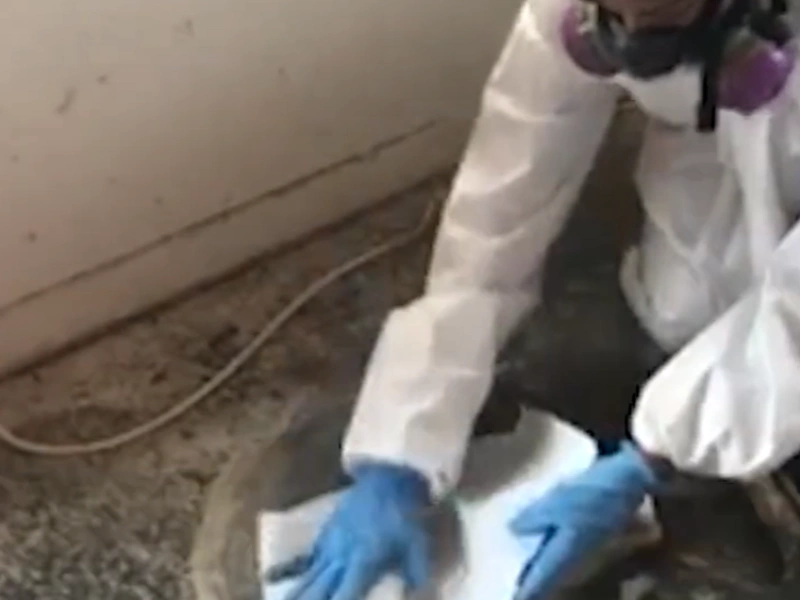
Protective gear, sealed bags and a controlled work area.
Do not enter, move things or clean up. Wait until law enforcement and the medical examiner release the scene.
Describe what happened, how long ago and how large the area is. Ask for a written scope and how they handle waste.
Close the area off. Until a professional has looked, avoid running the HVAC through the affected space so odors and contaminants do not travel.
Photos, a floor plan and a list of affected materials. This record matters for insurance too.
Carpet, padding, drywall and sometimes subfloor come out in sealed, labeled containers. Biomedical waste goes through registered haulers.
Hard surfaces are cleaned and disinfected, and detection tools check for remaining blood until the surface tests clear.
Deodorizing equipment and removal of the source. Odor that is only covered up comes back, especially in humid weather.
This is where we come in. Moisture meters and a thermal camera find damp walls, subfloor and cavities. Dehumidifiers and air movers dry them. EPA’s rule of thumb: dry within 24 to 48 hours.
Visible growth, a musty smell or high readings trigger a mold plan: containment, HEPA air control, removal of affected porous materials and HEPA cleaning. See black mold removal.
New flooring and drywall go in only after everything is dry and clear. Keep the scope, photos, waste records and moisture readings together.
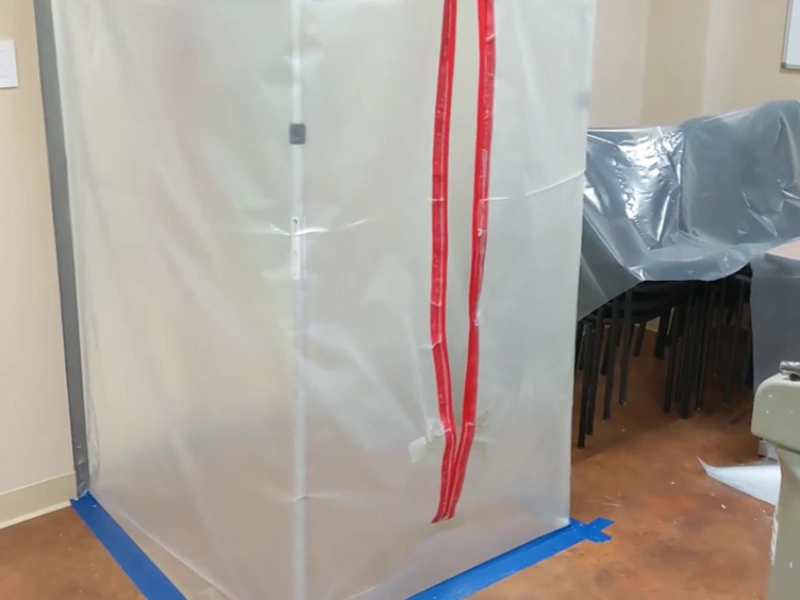
Containment keeps mold work from spreading into the rest of the property.
What does the mold side of the job look like?
EPA’s guidance for commercial and residential buildings scales containment to the affected area. Under 10 square feet needs minimal setup. From 10 to 100 square feet, limited containment with HEPA exhaust. Over 100 square feet, full containment with a decontamination airlock, and professional involvement is strongly advised.
After a biohazard event, mold work is usually small and targeted: a lower wall, a baseboard run, a subfloor edge or a closet. Catching it early is the difference between a few hundred dollars of drywall and a bigger tear out.
Can You Clean Up Blood or Body Fluids Yourself?
- Health risk. Pathogens, sharps and strong odors are hazards you cannot see.
- Hidden contamination. The stain on the surface is rarely the whole story. Padding and subfloor underneath hold the rest.
- Waste rules. As far as we know, hauling biomedical waste is regulated by the Florida Department of Health, and the waste cannot simply go in the household trash.
- Mold risk. Wet cleaning without proper drying can set up mold behind the surface.
- Your well being. You should not have to do this at all.
The Florida Department of Health does publish guidance on home cleanup of small amounts of biomedical waste. It is meant for minor situations, not a death or a violent scene.
How Long Does Trauma Scene Cleanup Take?
| Situation | Typical published estimate |
|---|---|
| Minor contamination | About 2 to 6 hours |
| Single room | About 6 to 24 hours |
| Unattended death or decomposition | About 1 to 3 days |
| Multi room or large scale | About 3 to 5 days or more |
| Hoarding with contamination | Several days to a week or more |
These estimates come from provider guides, not an independent study. Drying and any mold work add time on top.
How Much Does Trauma Scene Cleanup Cost in Gainesville?
| Situation | What shapes the work |
|---|---|
| Small blood cleanup | Usually limited to one area and a few materials |
| Unattended death | Depends on how long before discovery and what absorbed fluids |
| Suicide, homicide or violent crime scene | Depends on the area, the materials affected and when the scene is released |
| Severe decomposition | Odor work, porous material removal and sometimes HVAC cleaning |
| Multi room or large scale | More rooms, more containment and longer schedules |
What changes the price?
- Size of the affected area and how many rooms.
- How long the scene sat before discovery.
- Materials to remove, such as carpet, drywall and subfloor.
- Odor work and any HVAC cleaning.
- Drying and mold. Not usually included. A moisture check up front helps keep a mold problem small.
- Rebuild. New flooring and drywall are separate.
Does Insurance or Victim Compensation Pay for Trauma Cleanup?
Homeowners, renters or commercial property insurance
Coverage depends on the policy and the cause. Many policies help with cleanup labor, disposal and structural removal, and some exclude certain causes. Ask your carrier before work starts. Under Florida Statute 627.70132, notice of a new or reopened property claim is generally due within one year of the date of loss, with supplemental claims within 18 months.
Florida crime victim compensation
The Attorney General’s published benefit schedule lists a crime scene cleanup benefit, and the loss has to be incurred within 7 days of the crime. It applies to qualifying crimes only, and eligibility rules apply. The victim services office can tell you if you qualify.
The estate or next of kin
After a death, the estate or family is often responsible when the owner has died. If there is no next of kin and insurance does not apply, talk to an attorney about options.
None of this is legal or insurance advice. Keep every photo, document and receipt.
Who Pays When a Tenant Dies or a Rental Needs Biohazard Cleanup?
What should a property manager do first?
- Secure the unit and keep staff and other tenants out.
- Follow the authorities’ lead. Do not enter until the scene is released.
- Photograph and log dates, times and who accessed the unit.
- Tell neighbors carefully. A short, respectful notice about odors or activity is better than rumors.
- Isolate the HVAC. Shut off or seal the supply and return to that unit if you can do so safely.
- Hire a trauma cleanup provider and request a written scope.
- Schedule a moisture and mold check before new flooring or a new tenant.
Managing a larger property? See our commercial mold remediation page and mold prevention tips.
How Do You Choose a Trauma Cleanup Provider in Gainesville?
- Ask who hauls the waste. Providers that move biomedical waste from trauma scenes are expected to be registered with the Florida Department of Health, which posts a statewide list by county. The Alachua County health department’s biomedical waste office is at 352-334-7930. The state says it does not regulate the cleanup methods themselves, so ask how they work.
- Get a written scope with areas, materials to be removed and what is excluded.
- Ask about waste records and how materials leave the property.
- Ask about verification. How do they confirm the area is clean?
- Ask how they handle moisture and odor. If drying is not part of the plan, plan for it separately.
- Look for discretion and kindness. You will feel it on the first call.
- Be wary of pressure. A good provider answers questions without rushing you.
Gainesville Mold Rescue is not a trauma cleanup company. Call us and we will point you to a provider serving the Gainesville area, and we will be ready for the moisture and mold part when you are.
How Do We Check for Moisture and Mold After a Biohazard Cleanup?
- Moisture meters on baseboards, lower walls and flooring.
- A thermal camera to spot damp cavities and cooler wet spots.
- A hygrometer to log indoor humidity. EPA advises keeping it below 60 percent, ideally 30 to 50 percent.
- A careful visual look at the lower walls, closets, under sinks and around the HVAC.
- Air or surface sampling only when it helps. EPA does not recommend routine sampling.
- If mold is found, a written plan with containment, HEPA air control and removal of affected materials.
We also look at what caused the moisture. A closed AC system, a leak under a sink or a roof problem is the real story more often than the incident itself.
Where Do We Help in Gainesville, FL?
From Haile Plantation and Millhopper to Midtown, Downtown and the streets around the UF campus, plus the surrounding county. Quiet, respectful and on your schedule.
Gainesville ZIP codes
- 32601
- 32603
- 32605
- 32606
- 32607
- 32608
- 32609
- 32641
Nearby communities
Why Call Gainesville Mold Rescue After a Trauma or Biohazard Event?
Because no one should have to figure this out alone at 2 a.m. Tell Gainesville Mold Rescue what happened, when and where in the building, and we will tell you what we can help with and who to call for the rest. We will talk you through the moisture and mold side in plain language, with photos if you have them, and connect you with a provider serving the Gainesville area.
- A calm, discreet first call.
- A straight answer about what is a cleanup job, what is a drying job and what is a mold job.
- A written scope, moisture readings and a documented finish.
Trauma and Crime Scene Cleanup FAQ for Gainesville Families and Property Owners
Who cleans up after a death in a home in Gainesville?
Not law enforcement or first responders, as far as we know. The medical examiner or a funeral home handles the deceased. The owner, family or landlord hires a private trauma or biohazard cleanup company for the property. A mold and moisture company is called afterward if the building needs drying or mold work.
Do police clean up a crime scene?
No. Police secure and investigate the scene and then release it. Cleaning is the property owner’s or family’s responsibility, which usually means hiring a private cleanup company.
How much does trauma scene cleanup cost?
Cost depends on the type of scene, the size of the area, time before discovery, materials removed, odor work and rebuild. Providers price differently, so a real number comes only after someone looks at the space.
How long does trauma scene cleanup take?
Provider estimates run about 2 to 6 hours for minor contamination, 6 to 24 hours for a single room, 1 to 3 days for an unattended death, and 3 to 5 days or more for multi room scenes. Drying and any mold work add time.
Does insurance cover trauma scene cleanup?
Often it can, depending on the policy and the cause. Many homeowners, renters and commercial property policies help with cleanup labor, disposal and structural removal. Under Florida Statute 627.70132, notice of a new or reopened property claim is generally due within one year of the date of loss, so call your carrier early.
Does Florida crime victim compensation pay for crime scene cleanup?
The Attorney General’s published benefit schedule lists a crime scene cleanup benefit, with the loss incurred within 7 days of the crime. It applies to qualifying crimes only, so ask the victim services office about eligibility.
Who pays when a tenant dies in a rental?
It depends on the lease, the owner’s insurance, the tenant’s estate and the cause. A Florida attorney can read your documents. Meanwhile, secure the unit, document everything, hire a proper cleanup provider and check for moisture before re-renting.
Can I clean up blood or bodily fluids myself?
We strongly advise against it. Bloodborne pathogens, sharps and hidden contamination in porous materials make it risky, and biomedical waste is regulated. Bleach or household cleaners will not fix soaked carpet or drywall. The state publishes guidance for very small home cleanups, but not for a death or violent scene.
What is considered a biohazard cleanup?
Cleanup of blood and body fluids, unattended death and decomposition, sewage and contaminated water, sharps and medical waste, hoarding with contamination, and some infection control situations.
Can mold grow after an unattended death?
Yes. EPA says mold can begin growing on wet materials within 24 to 48 hours, and a closed house in Florida heat and humidity, with fluids in carpet and drywall, can set it up. A moisture check after the biohazard cleanup catches it early.
Do I need mold remediation after trauma scene cleanup?
Not always. If materials were removed, dried and there is no musty smell or visible growth, you may not. If the lower walls, subfloor or HVAC stayed damp, or the property sat closed up, a moisture and mold check is a smart step before rebuilding or re-renting.
How do I find a trauma cleanup provider in Gainesville?
Call providers and ask for a written scope, how they handle waste, how they verify the area is clean and how they handle drying and odor. The Florida Department of Health posts a list of trauma scene cleanup providers by county, and Gainesville Mold Rescue can point you to a provider serving the Gainesville area.
Need Help With the Moisture or Mold After a Trauma or Biohazard Event?
Call Gainesville Mold Rescue. Tell us what happened and where in the building, and we will talk you through what to do next. Photos of walls, floors and the AC area help when you are ready.
Sources and further reading
- Florida Department of Health: Trauma Scene Cleanup Providers
- Florida Department of Health: Biomedical Waste
- Florida Attorney General: Victim Compensation Schedule of Benefits
- U.S. EPA: Mold Cleanup in Your Home
- U.S. EPA: Mold Remediation in Schools and Commercial Buildings, Chapter 3
- OSHA: Mold
- Florida Statute 627.70132: property insurance claim notice
How this site works: gainesvillemoldremoval.net is a local information and referral service, not a contractor. When you call, we connect you with a provider serving the Gainesville area. Nothing here is legal, medical or insurance advice. If you are in crisis, call or text 988.