Mold Testing and Inspection in Gainesville, FL: Find the Water First, Then Decide What a Test Can Tell You
Before you pay for an air test, know what it can and can’t tell you. Gainesville Mold Rescue helps Gainesville homeowners, renters and buyers work out whether they need an inspection, a test, or just the water fixed, and connects you with a local mold remediation provider when it is time to clean up.
- 24/7 Emergency Calls
- Inspection first, test second
- Gainesville based providers
- Independent local contractors
Updated October 2026 · Written for Gainesville homes, condos and rentals
Do I need a mold test, or do I need to find the water?
You smelled something musty, or found a stain, or a buyer’s inspector wrote the word moisture on a report, and now you are searching for a mold test. Hold on a second before you book one.
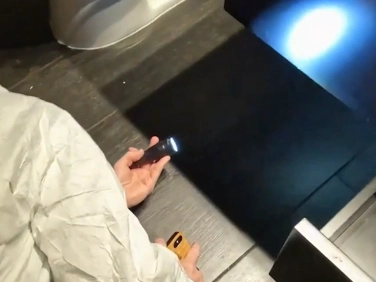
Okay, here is what we tell people on the phone. A mold test answers one narrow question. A mold inspection answers the bigger one: where is the water coming from, and how far has it gone? In a Gainesville house, with a muggy season that runs from about May 4 to October 31 and a wet season from about June 1 to September 20, that second question is almost always the one that matters.
Gainesville Mold Rescue is a free service that connects Gainesville homeowners, renters and property managers with independent local mold remediation providers. We are not the inspector, and we will not sell you a test. What we will do is tell you straight when a test is not needed, and connect you with a provider when it is time to take the mold out.
Not sure which one you need? Tell us what you are seeing and we will point you the right way.
☎ Call (352) 450-4030What are the first signs of mold in a Gainesville house?
Most Gainesville mold calls start with something small that will not go away. Here is how to read the common ones. None of these confirm mold on their own, and none of them mean you are in an emergency.
| What you notice | What it can mean here | Your next move |
|---|---|---|
| A musty smell when the AC turns on | Moisture in the air handler, the return or the ducts | Look at the closet or attic unit for rust, standing water or dark buildup. Inspect Look closer |
| Brown stain or bubbling paint near a shower, window sill or exterior door | Slow leak, failed caulk, or rain getting in | Mark the edge of the stain with a pencil and watch it. Dry? Wet? Growing? Look closer |
| Soft baseboard or carpet in a rental after a leak | A leak that never fully dried | Photos with dates, written notice, and an inspection of the wall behind Inspect |
| Condensation on windows, vents or inside walls | Indoor humidity staying high even with the AC running | Get a humidity reading. EPA says keep it under 60 percent Check |
| Cough or stuffy nose that eases when you leave the house | Could be mold, could be something else | See your doctor about the symptoms. Look at the house for moisture Both |
| Damp smell in a crawl space under an older home | Ground moisture and poor airflow | Inspect the space and the vents Inspect |
| An old leak that was cleaned up fast but never checked | Moisture may still be in the wall or under the floor | Moisture readings, not guessing Check |
The pattern matters more than any single sign. A smell plus a stain plus a past leak is a stronger signal than any one of them alone.
Is a mold test worth it? A four-question check
People spend money on air tests they did not need, and skip the inspection they did. This quick check sorts it out.
Here is the part most pages leave out. EPA says no federal limits have been set for mold or mold spores. That means a test report has nothing official to be measured against. It cannot say your house passed or failed. It can show what was found, and how it compares with the air outside.
That is also why, if you already know where the water is coming in, the money usually does more good fixing the leak than testing the air. Clean up mold without fixing the water and it most likely comes back.
Mold inspector, mold tester, home inspector, remediator: what is the difference?
This is where people get tangled up, so here it is in one picture.
| Role | What they do | What they do not do |
|---|---|---|
| Home inspector | Looks at the whole house for a purchase. Notes stains, moisture and defects | Usually does not test for mold unless it is clearly visible. Mold is a specialty |
| Mold inspector | Hunts for the moisture source, reads humidity and wetness, uses a thermal camera, plans samples, writes findings | Does not do the cleanup |
| Lab | Analyzes the samples sent in | Does not visit your home or tell you what to do |
| Mold remediation provider | Contains, removes, cleans and dries what the protocol calls for | Should not also be the one grading their own work |
Florida keeps the person who assesses and the person who removes separate on the same project (Fla. Stat. 468.8419). If an inspector also sells the removal, ask how they keep the findings independent.
Gainesville Mold Rescue lives at step four only. We connect you with a local provider who does the work. We do not inspect, and we do not write the report.
What happens during a mold inspection? Seven steps
A good mold inspection is inspection first, testing second. It is not a person with a flashlight and two air samples. It runs in this order.
1. Tell the story
Age of the house and the AC, renovations, past leaks, where it smells, how you feel inside versus outside.
2. Walk the outside
Grading, cracks, caulk, roof and flashing, irrigation spray hitting walls.
3. Walk the inside
Room by room, behind furniture, inside closets, under sinks, around windows.
4. Read the moisture
Moisture meter, humidity and temperature readings at specific spots.
5. Look behind the surface
Thermal imaging, baseboards, the wall below a shower valve, the air handler.
6. Sample only what answers a question
Air, swab, tape lift or material, chosen from what steps 1 to 5 found.
7. Findings and plan
Photos, readings, notes, and a written plan for what happens next.\nraw 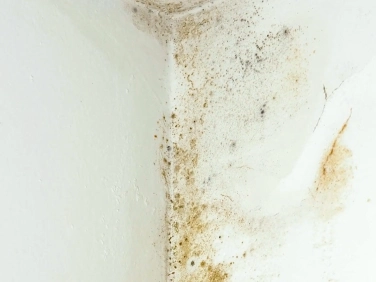
How long does a mold inspection take?
A small condo with one wet wall is a different visit from a two-story house with an attic, a crawl space and a tired air handler. Here is what stretches the visit.
| What stretches the visit | Why |
|---|---|
| Size of the house | More rooms to read and more surfaces to check |
| Attic or crawl space access | Tight spaces take time and have to be checked safely |
| A known water event | The moisture has to be traced to its edge, not just to the stain |
| Number of samples | Each one is placed, labeled and logged |
| HVAC concerns | The air handler, drain pan and returns get their own look |
| A long history | Renovations, past leaks and symptoms all feed the plan |
The visit is not the whole timeline. Samples go to a lab, and the lab sets the pace for that part. Ask the inspector up front when you will have results and the written findings.
Before the visit
Write down the leak history, where you smell it and what has been fixed. Take dated photos. Leave the spot alone.
During the visit
Expect questions first, then the outside, the inside, the readings, and only then sampling, if it is needed.
After the visit
Ask for written findings and a plan. If the report only says mold found, ask where, how much and what to do about it.
One warning from the inspectors’ side of the fence: if someone is in and out in about half an hour with two air samples, ask how they decided where to look.
What should I tell the mold inspector?
Some of the best information in any inspection comes from a good conversation. You know the house better than anyone. Here is what helps.
- When and where the water got in, even if it was years ago.
- Which room smells, and when: after rain, when the AC kicks on, or all day.
- How old the house is, and how old the AC and air handler are.
- What has been renovated, replaced or repaired.
- Whether you feel different inside the house than outside it.
- Whether anything changed lately: a new symptom, a new smell, a storm.
- What your goal is: a repair plan, a lease issue, a closing, or peace of mind.\nraw
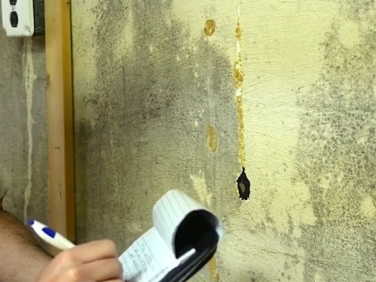
The history you give the inspector shapes the whole plan.
- Do not paint over the spot.
- Do not caulk it or scrub it first.
- Do not dry scrub it, which sends spores into the air.
- Do not toss wet material before you photograph it.
Where does hidden mold hide in a Gainesville home?
EPA describes hidden mold as a moldy smell with no visible source, or known water damage with people reporting health problems. It can sit behind drywall, wallpaper and paneling, on top of ceiling tiles, under carpet and pad, inside walls around leaking or condensing pipes, behind furniture, inside ductwork, and in roof materials above ceilings. In a Gainesville house, these are the spots we hear about most.
Behind the baseboard
Where a wall meets the floor, water wicks and sits unseen.
Look firstThe air handler closet
Rust, standing water in the pan, dark buildup at the return.
HVACThe wall below a shower valve
A weeping valve or failed pan can soak the wall without a stain.
BathroomUnder sinks and washer boxes
Small drips that run for months.
PlumbingThe attic
Roof leaks and humid air that condenses on ductwork.
AboveThe crawl space
Damp soil, poor airflow, white crust on piers in older homes.
BelowWindow and door frames
Rain and condensation get in at the edges.
EdgesOutside walls
Irrigation spray, cracked caulk, soil piled too high.
Exterior\nraw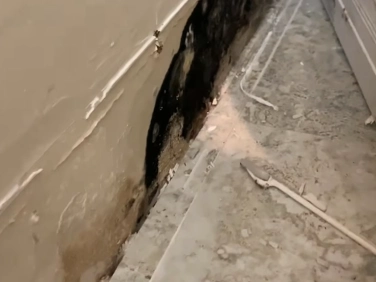
Bathrooms: the shower wall and the cracked tile
Cracked shower tile is not just cosmetic. It can let water behind the wall long before a stain shows. If your concern is a bathroom, our page on bathroom mold removal goes room by room. This is what an inspector checks.
| Bathroom spot | What it can mean | What gets checked |
|---|---|---|
| Cracked tile or failed grout | Water getting behind the surface | Moisture readings on and around the tile |
| Caulk at the tub and shower edge | Water bypassing the joint | Whether the caulk is black through or just stained |
| Wall below the shower valve | A slow leak at the valve or pan | Moisture and thermal readings, then the wall on the other side |
| Ceiling below an upstairs bath | Overflow, a leak, or steam | The ceiling, then the bath above |
| Exhaust fan and its duct | Steam going into the attic | Whether the duct reaches an outside vent |
| Base of the toilet | A leaking seal or supply line | The floor for softness |
What do air, swab, tape and wall cavity samples actually show?
Sampling is not a checklist. It is a set of tools, and each one answers a different question.
| Sample | What it shows | What it cannot show | When it helps |
|---|---|---|---|
| Air sample, with an outdoor sample for comparison | Spore types and counts in the air at that moment, compared with outside | Where the source is. One moment in time | You cannot find the source, or you want to compare rooms |
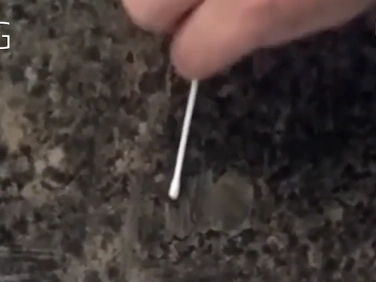
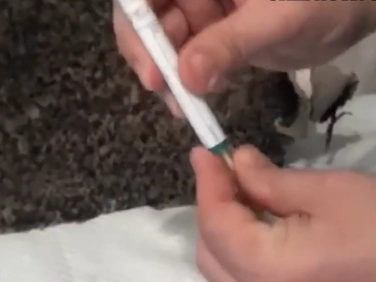
| Surface swab or tape lift | Whether a stain or patch is mold, and what kind | Anything beyond that spot | You are not sure a stain is mold, or you need documentation |
| Bulk sample | A piece of material, such as a bit of drywall or caulk | Anything beyond that piece | A material may need to come out and you want to know what is on it |
| Dust sample | What has settled in the space | Where it came from | Looking at overall conditions |
| Wall cavity sample | Air drawn from inside a wall | Whether the whole wall is affected | Water damage with nothing visible |
| Moisture and thermal readings | Where materials are wet or cooler than they should be | What kind of mold is present, if any | Almost every time\nraw 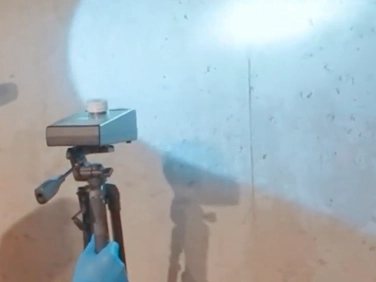 |
What does a mold test result really tell you?
| What you see | The usual reading | What to do |
|---|---|---|
| Indoor results look like outdoor results | Spore types look like the outside air | That does not rule out hidden growth where water damage is known Keep looking |
| One room higher than the rest | A local source is possible | Inspect that room, and the wall or ceiling around it Follow it |
| Types that do not show up outdoors | An indoor source is possible | Find the water that is feeding it Find the source |
| Results normal but a wall is wet | A test cannot rule out hidden mold | The wet wall still needs attention Do not rely on it |
Inspectors have a phrase for this: tests lean one way. A test can confirm what was present. It cannot prove that nothing was present. When water-damaged material already has to come out, it goes into the plan whatever the air test says.
Are petri-dish mold test kits worth it?
Short answer: not for what most people want them to do. EPA notes that mold spores are found in both indoor and outdoor air. So a dish that grows something tells you spores landed on it, which you could have guessed. A dish that grows nothing does not clear a wall that is wet behind the paint.
A kit can
- Show that spores are in the air at that spot
- Give you curiosity data about one room
- Prompt you to call someone
A kit cannot
- Find a hidden source
- Tell you how much mold there is
- Tell you if your house is safe
- Replace fixing the water
What is a site-specific protocol, and why does it matter?
A protocol is the written plan for the cleanup. Some reports are vague. They say remove the mold in this area and stop there. A good one names the room, the barriers, what comes out, how it is cleaned and how it is dried. That makes the provider’s job clearer, and it cuts down on guesswork.
| A vague note | A specific protocol |
|---|---|
| Remove the mold in the bathroom | Seal the doorway and vents, remove the wet drywall below the shower valve, clean the framing, dry the cavity |
| Clean the attic | Which sections, which materials come out, how the area is isolated, how it is dried |
| Check the AC | Drain pan, return and ductwork, with what to clean and what to replace |
An inspector who writes this kind of plan is working for you, not for the cleanup. When it is time to act on it, Gainesville Mold Rescue connects you with a local mold remediation provider who can work from it.
Have a report in hand? Call and we will connect you with a local provider who can work from it.
☎ Call (352) 450-4030How do I know the mold removal worked?
EPA says surface sampling may help show whether an area was adequately cleaned or remediated. In practice it comes down to three checks.
- The visible growth is gone and the materials that had to come out are out.
- The moisture readings are back to normal, because a dry building is what keeps it gone.
- An independent follow-up check, with air or surface samples if the inspector thinks they are useful.
Verification is the step people skip, and it is the one that answers the question they started with.
Should I get a mold inspection when I buy, sell or rent in Gainesville?
| Who you are | What to do | Why |
|---|---|---|
| Buyer | Ask for an independent inspection during your inspection period. Get written findings | You want the water source known before you negotiate, not after |
| Seller | Have a suspected problem looked at before it derails a contract | Florida expects sellers to disclose known defects that affect value (the Johnson v. Davis case). Talk to your Realtor or attorney |
| Renter | Report in writing, with dated photos | Fla. Stat. 83.51 sets the landlord duty to maintain the dwelling. Mold is not named in it, so keep your own record |
| Landlord or property manager | Get condition notes between tenants | Student housing turns over quickly, and written conditions settle arguments |
If you rent near campus, a unit that sat closed over summer or a bathroom shared by roommates is a common story. Write it down with the date.
How do I choose a mold inspector in Gainesville?
- Ask what they check. Do they look at the air handler, the attic and the outside, or just the room you point to?
- Ask how they decide where to sample, and how many samples and why.
- Ask whether they also sell removal, and how they keep the findings independent.
- Ask what the written report includes: photos, readings, locations and a plan.
- Ask whether an outdoor sample is taken for comparison.
- Ask how long they expect to be on site and when results come back.
- Be careful with anyone who sells tests left and right. Some tests are only for curiosity.
Why Gainesville homes are a special case for mold inspection
Muggy season, May to October
Air outside is already heavy, the AC is cooling the house, and cooler surfaces collect moisture. Weather data puts the muggy season at about May 4 to October 31.
Homes closed up and cooled
With windows shut for months, the air handler, drain pan and returns do a lot of work, and an inspection looks at them closely.
Older homes near the Duckpond and historic districts
Raised floors, crawl spaces, added bathrooms and old plaster. Opening walls blindly can miss the leak, so readings come first. See historic home mold removal.
Student and rental housing near campus
Summer turnover, shared bathrooms and units that sat closed. Dated photos and written notice matter.
Storm and hurricane season
June 1 to November 30. After a roof or window leak, check the hidden spots even if the carpet dried.
Newer neighborhoods like Haile Plantation and Tioga
The signs are often small: a ceiling stain, a soft baseboard, a smell when the AC starts. See Haile Plantation.
What should I do before anyone tests or inspects?
- Stop the water if you can see where it is coming from.
- Take dated photos from a few angles, plus a close-up of the worst spot.
- Run the fan or a dehumidifier and open the door to the room.
- Do not paint, caulk, scrub or throw out wet material yet.
- Write down the leak history and when you notice the smell.
- If you rent, tell the landlord in writing.
- Call, and tell us what you see.
Take the photos, then call. We can talk you through the next step.
☎ Call (352) 450-4030Mold inspection help across Gainesville and nearby
We connect homeowners with providers in these Gainesville ZIP codes:
- 32601
- 32605
- 32607
- 32608
- 32641 (our base)
Neighborhoods and nearby towns we hear from often include the SW 20th Avenue area, Haile Plantation, the Duckpond, Newberry, Alachua and Archer. Related reading: bathroom mold removal and historic home mold removal.
Mold Testing and Inspection Questions Gainesville Homeowners Ask
Short answers to what people ask us most. Don’t see yours? Call (352) 450-4030.
Do I need a mold test if I can see mold?
Often no. EPA says that in most cases, if visible mold growth is present, sampling is unnecessary. The better move is to find and fix the water and have the growth removed.
How long does a mold inspection take?
It depends on the size of the house, access to the attic or crawl space, the water history and how many samples are taken. One inspector described about two to five hours for a roughly 2,000 square foot home. Lab results take extra time, so ask for a timeline up front.
Can a mold test tell me my home is safe?
No. EPA says there are no federal limits for mold or spores, so a test has no official pass or fail line. It shows what was found and how it compares with outside.
What is the difference between a mold inspection and an air quality test?
An air test is one tool. An inspection looks for the moisture source with readings, thermal imaging and a walkthrough, and may use an air sample to support what it finds.
Does a home inspector check for mold?
A general home inspector may note stains and moisture, but mold is a specialty and is usually not tested unless it is clearly visible. If you are buying and a stain shows up, ask for a mold-focused inspection.
Can an air test rule out hidden mold?
Inspectors say no. A test can confirm what was present but cannot prove that nothing was. Known water-damaged material usually has to come out regardless.
Are petri-dish mold kits accurate?
They can show that spores landed on a dish, and spores are in the air everywhere. They cannot find a hidden source or tell you how much there is.
Should I hire an inspector who also does mold removal?
It is better to keep them separate. Florida law separates assessment and removal on the same project, so ask any inspector how they keep the findings independent.
Can mold hide behind shower tile?
Yes. Cracked tile, failed grout or caulk, or a leaking shower valve can let water into the wall with no stain showing. Moisture and thermal readings help locate it before a wall is opened.
One room tested high and the rest looked normal. What now?
That points to a local source. Inspect that room and the wall or ceiling around it for moisture, and fix what is feeding it.
I rent. Can I ask for a mold inspection?
You can ask in writing. Fla. Stat. 83.51 sets the landlord duty to maintain the dwelling, although mold is not named. Keep dated photos and copies of every message.
Is it worth getting tested for mold exposure?
A test of the home is different from a medical question. We can speak to the house. For symptoms, see your doctor. EPA notes people with asthma, allergies or weak immune systems can be more sensitive.
Is it safe to stay in the house until the inspection?
Many people do, but it depends on the amount and who lives there. Limit time in the affected room, run the fan, and call if anyone feels unwell.
Does an inspection mean tearing open my walls?
Not at first. Inspectors start with moisture and thermal readings and a walkthrough. Opening a wall is a later decision, and usually one for the cleanup stage.
How do I know the mold removal worked?
The growth and wet materials are gone, the readings are back to normal, and an independent follow-up check confirms it.
Not sure if you need a test, an inspection or a cleanup?
Tell us what you are seeing. Gainesville Mold Rescue connects you with a local mold remediation provider who will find the water, remove the mold and dry the space.
Call now to talk it through.
Sources
- Florida Statute 468.8419: mold-related services
- U.S. EPA: Mold Course, Chapter 1
- Florida Realtors: Disclose, Disclose, Disclose (Johnson v. Davis)
- Florida Statute 83.51: landlord obligation to maintain premises
- WeatherSpark: Average Weather in Gainesville, Florida
- U.S. EPA: A Brief Guide to Mold, Moisture and Your Home
- U.S. EPA: Mold Cleanup in Your Home
- Florida Department of Health: Mold