After the Storm: Your Gainesville Mold Checklist for the First 48 Hours, 7 Days and 30 Days
- Drying inside 24 to 48 hours is the single best way to keep mold from starting, according to the EPA.
- Porous items that stay wet, such as carpet, ceiling tile and insulation, may have to be thrown away.
- Water from sewage or other contaminated sources needs a professional with experience in that kind of cleanup.
- Check again at 7 days and 30 days. Mold you cannot see often shows up as a smell first.
Why Does Storm Water Lead to Mold So Quickly in Gainesville?
Gainesville is humid for most of the year, and hurricane season runs from June 1 to November 30. Wind-driven rain gets in through roof edges, windows, doors and attic vents. Once drywall, insulation or carpet is wet, the humid air outside makes it slow to dry on its own. The EPA is direct about the timeline: dry water-damaged areas and items within 24 to 48 hours to prevent mold growth. Mold does not wait for the water to be gone, it needs only moisture and something to grow on.
What Should I Do in the First 48 Hours After a Storm?
| When | What to do | Why it matters |
|---|---|---|
| Hour 0 to 6 | Make the home safe, stop the water coming in, tarp a damaged roof, and take dated photos and video of every wet area. | Stopping the source comes before any cleanup. Photos support any insurance claim. |
| Hour 6 to 24 | Remove standing water, pull up wet rugs and soaked items, open doors and windows when it is dry outside, and start fans and a dehumidifier. | The clock the EPA describes is already running. |
| Hour 24 to 48 | Sort what can dry from what cannot. Hard, sealed surfaces can be wiped and dried. Soaked insulation, ceiling tile and carpet are the first to give up. | Porous materials hold water and are hard to clean once mold is in them. |
| Hour 48 and later | Keep drying. Check inside closets, behind furniture and under cabinets for damp spots and any musty smell. | Areas you cannot see are where growth starts unnoticed. |
What Can I Keep and What Should Go?
The EPA says to dry all items completely, scrub mold off hard surfaces with detergent and water, and dry them again. It also says absorbent or porous materials, such as ceiling tiles and carpet, may have to be thrown away if they become moldy. A practical rule: if a porous item stayed wet past the first couple of days, plan on replacing it. Photograph it before it leaves the house.
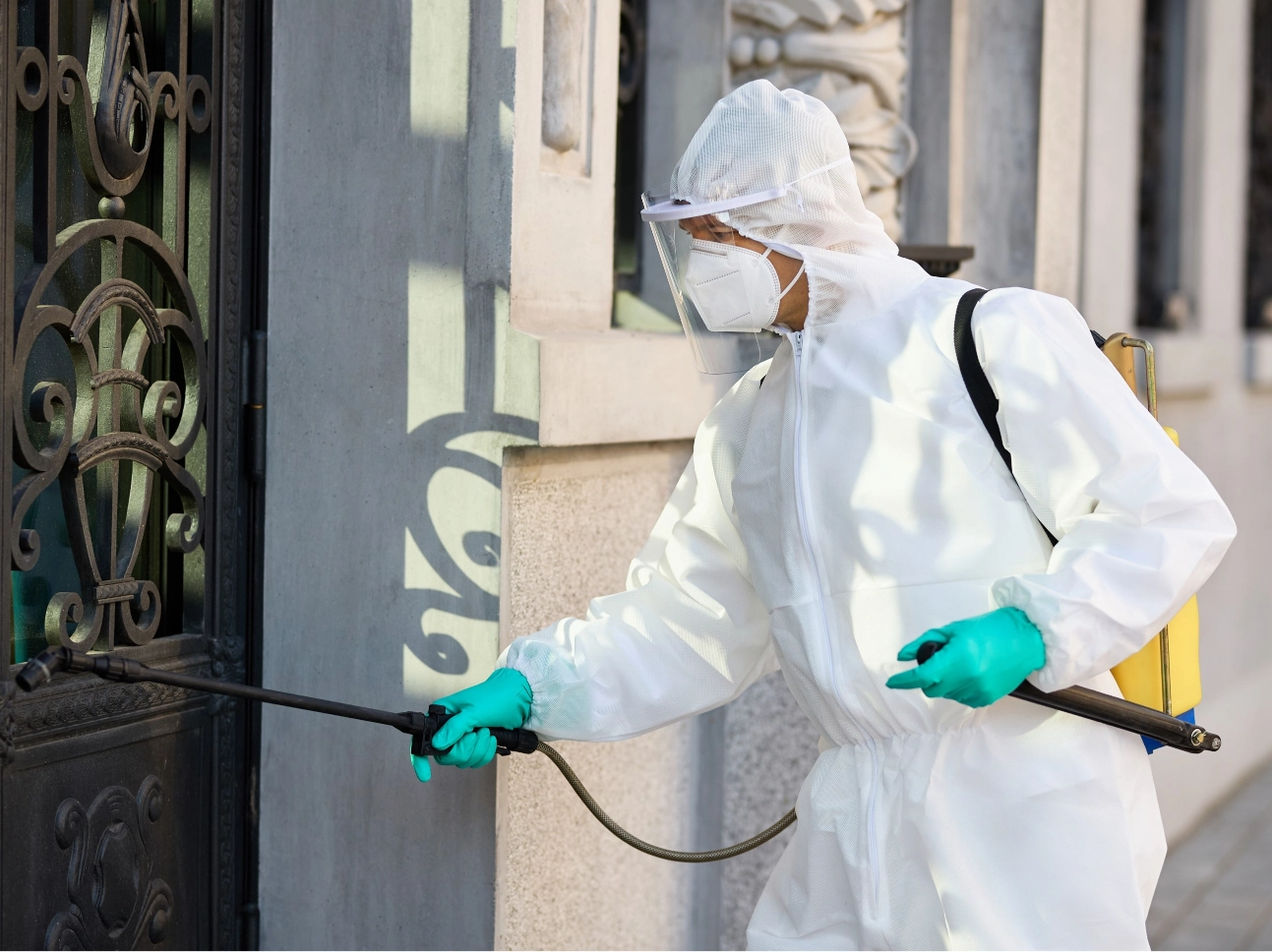
One exception comes before everything else. If the water was sewage or came from another contaminated source, the EPA advises calling a professional who has experience cleaning and fixing buildings damaged by contaminated water.
What Should I Check at Day 7?
- Smell. A musty odor in a room that looks fine is the earliest sign of damp material you have not found.
- Surfaces. Look for spots or fuzzy growth on drywall, baseboards, the underside of furniture and the backs of closets.
- Humidity. The EPA suggests keeping indoor humidity below 60 percent, ideally between 30 and 50 percent. A small humidity meter from a hardware store will show you.
- Ceilings and attic. Brown rings and soft spots can show a roof leak that kept going after the storm ended.
- The A/C system. If the air handler or ducts were wet, or the closet around them was, have that area looked at before running the system hard.
What Should I Check at Day 30?
One month out, the question is whether the house is staying dry. Recheck the same spots from day 7. Look for new stains, a returning smell or rooms that feel damp in the morning. Compare against your first photos. If anything has come back, the moisture source is still there, and cleaning the surface will not hold. Note the date of any change, because insurers and landlords usually want a timeline.
When Is It Safe to Clean Mold Myself?
The EPA says that if the moldy area is less than about 10 square feet, roughly a 3 foot by 3 foot patch, you can in most cases handle the job yourself. Wear gloves, goggles and an N-95 respirator. Never mix chlorine bleach with cleaners that contain ammonia, because toxic fumes can result. Dead mold can still cause allergic reactions, so it needs to be removed, not just killed.
It is a bigger job when there was a lot of water damage or the growth covers more than about 10 square feet. The CDC advises people with asthma, allergies or weakened immune systems not to do the cleanup. For how a larger job is sized, read what decides the scope of a mold remediation job.
What If I Have a Renter or Insurance Question?
- Insurance: Contact your insurer promptly and read the mold section of your policy. Notice deadlines can apply, and your photos and dated notes are the record.
- Renters: Florida Statute 83.51 sets out a landlord’s duty to maintain the unit. Report storm damage and mold in writing and keep dated photos.
A One Page Storm Checklist
- Stop the water and make the home safe.
- Photograph and video every wet area with dates.
- Remove standing water and soaked porous items.
- Run fans and a dehumidifier, and open the house when the air outside is dry.
- Aim for indoor humidity under 60 percent.
- Recheck for smell and spots at day 7.
- Recheck against your photos at day 30.
- Call a professional for sewage, large areas or any growth near the A/C system.
After the Storm: Your Questions Answered
How fast does mold grow after a storm?
There is no universal hour when every wet material develops visible mold. The EPA says to dry water-damaged areas and items within 24 to 48 hours to prevent mold growth, and Gainesville humidity makes a slow dry-out riskier.
Can I just run a fan and call it done?
Fans help, but moving air does not dry a saturated wall or a soaked pad by itself, and humid outdoor air can undo the work. Pair fans with a dehumidifier, and check the readings and the smell afterward.
Should I throw out everything that got wet?
Not everything. Hard, sealed surfaces can be cleaned and dried. Porous items that stayed wet, such as carpet, ceiling tile and insulation, often have to be replaced. Photograph items before you discard them.
Do I need a mold test after a storm?
Usually not to decide what to clean. The CDC and EPA note that testing is not needed when mold is visible. It can help when the source is hidden or the extent is disputed.
When do I call a professional after a storm?
Call when the water was sewage or contaminated, when the damage is large, when you smell mold but cannot find it, or when growth is near the A/C system or in the attic.
Water Got In and You Are Not Sure What to Do Next?
Tell us where the water came from and what got wet. Call to be connected with a local mold remediation provider who can take a look.
Keep reading
- Water damage and mold
- Emergency mold removal
- The remediation process
- Prevention tips
- What decides the scope of a mold job
Sources and further reading
- U.S. EPA: A Brief Guide to Mold, Moisture and Your Home
- U.S. EPA: Mold Cleanup in Your Home
- CDC: Cleaning Up Mold
- Florida Statute 83.51
- WeatherSpark: Gainesville climate
Last reviewed October 2026 by the Gainesville Mold Rescue Team. This article is general information, not legal or insurance advice.